
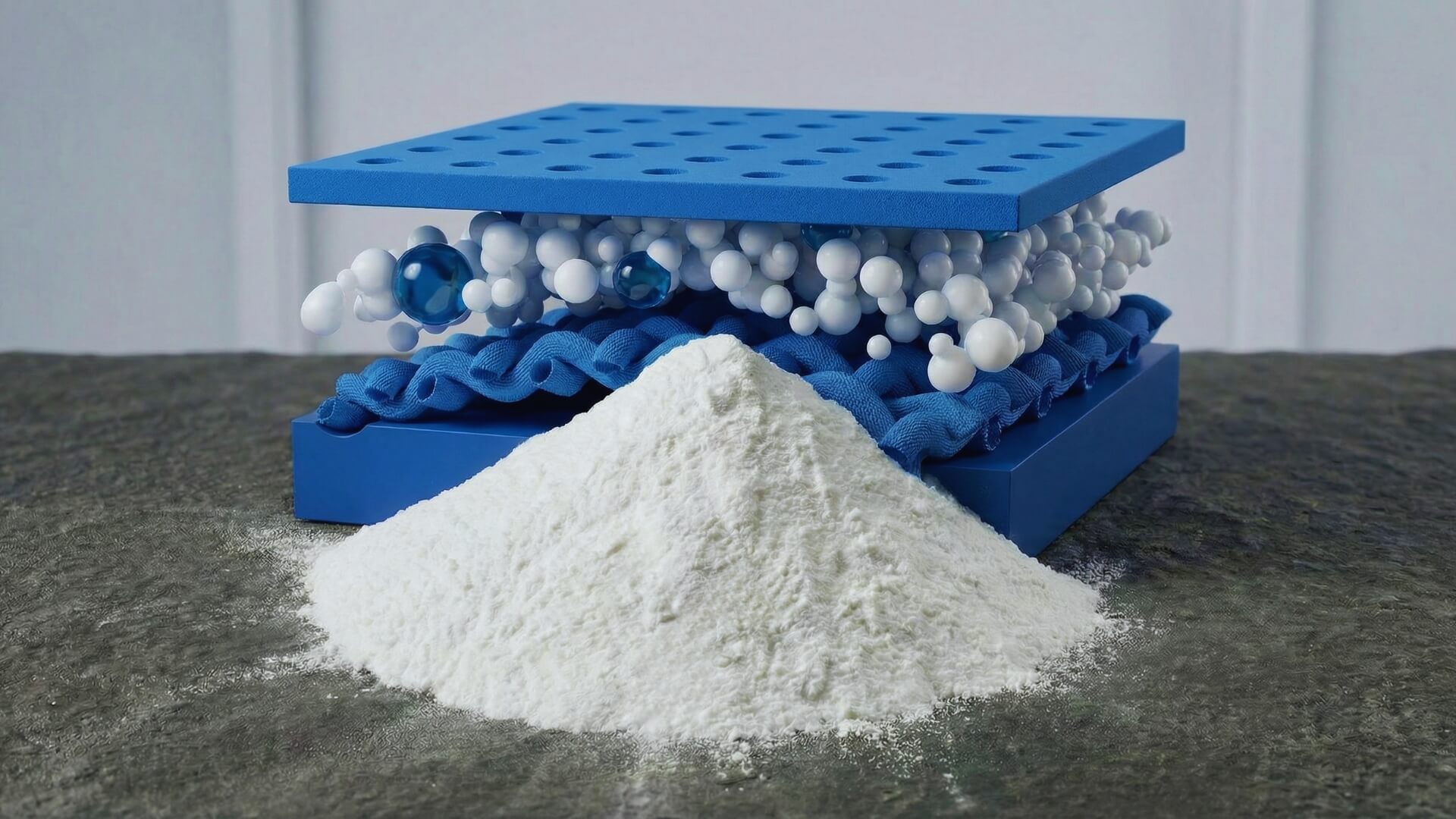
Zirconia Composite Nano Thermal Insulation Gr-102

Key Specifications

Gr-102: 0.1μm Spherical SiO₂ Powder (Impurity Removal Process)

Product Characteristics:Zirconium-containing microsilica powder refined by 2700°C smelting, providing a heat-resistant, low-thermal-conductivity silicon source for high-temperature nano-insulation materials.

Product Introduction

Zirconia Composite Nano Thermal Insulation Microsilica GR-102 is a functional ultrafine powder material specifically developed for high-temperature thermal insulation systems and high-performance refractory materials.Based on high-purity microsilica, this product incorporates nano-scale zirconium-based materials through composite modification to establish a multi-scale thermal resistance structure. This achieves comprehensive performance enhancements including low thermal conductivity, high density, and superior stability. The product combines excellent filling properties with high reactivity, significantly optimizing material pore structure and micro-interface bonding strength.

GR-102 is suitable for high-temperature industrial furnace linings, refractory castables, insulation boards, ceramic composites, and specialized thermal insulation coating systems.It effectively reduces heat transfer efficiency in high-temperature environments, enhances structural stability and thermal shock resistance, while simultaneously strengthening overall material strength and durability. Its composite zirconium phase forms a stable crystalline structure at elevated temperatures, further improving material erosion resistance and service life. GR-102 serves as an ideal functional enhancement material for high-end thermal insulation and refractory engineering systems.
Technical Principle

I. Principles of Nano-Filling and Pore Structure Optimization

GR-102 possesses ultrafine particle size and high specific surface area, enabling it to fully fill micropores and capillaries within the matrix material, thereby forming a denser microstructure.

  • Reducing connected porosity blocks heat conduction pathways

  • Optimizes pore size distribution to create tortuous thermal flow paths

  • Decreases convective and radiative heat transfer efficiency

Through the mechanism of "micro-pore sealing + thermal path elongation," the overall thermal conductivity is reduced.


II. High-Temperature Stable Zirconia Phase Structure Principle

The zirconium-based nano-components in the composite system form stable crystalline structures (e.g., highly stable zirconia phase) under high-temperature conditions, exhibiting:

  • High melting point

  • Low thermal conductivity

  • Excellent thermal shock resistance

This stable crystalline phase forms a high-temperature-resistant framework within the material, effectively suppressing high-temperature shrinkage and structural collapse, thereby enhancing the high-temperature strength and service life of refractory materials.


III. Mechanism of Enhanced Volcanic Cement Reactivity

Reactive SiO₂ in microsilica undergoes secondary hydration reactions with Ca(OH)₂ in cement-based or castable systems:

  • Forming high-strength C-S-H gel

  • Enhances interfacial bonding strength

  • Improves microstructural uniformity

This reaction not only enhances mechanical properties but also further refines the pore structure, strengthening thermal insulation effects at the microscopic level.


IV. Multi-layer Thermal Resistance Mechanism

Forming a multilayer thermal resistance system through "microsilica filling + zirconia phase framework + nano-interface enhancement":

  • Reduced solid-phase thermal conductivity

  • Enhanced grain boundary scattering

  • Optimized thermal stress dispersion

Ultimately achieving comprehensive performance enhancements including low thermal conductivity, high structural stability, thermal shock resistance, and corrosion resistance.

Technical Specifications

Physical PropertiesTypical ValuesChemical CompositionTypical Values
AppearanceOff-white powderSiO₂> 92%
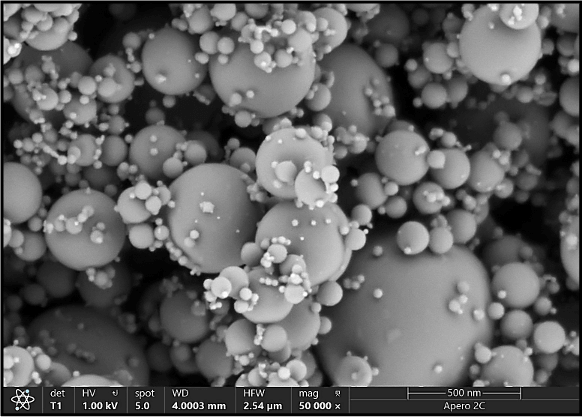
Primary Particle Size0.1 μm spheresZrO₂2–3%
Crystal FormAmorphousFe₂O₃< 1.0%
D500.501 μmAl₂O₃< 1.0%
D901.770 μmCaO< 0.5%
Bulk Density300 kg/m³MgO< 0.5%
Loss on Ignition (LOI)< 2.0%Na₂O< 0.5%
Specific Surface Area (BET)15-30 m²/gK₂O< 0.5%
pH4.0*Test methods available upon request*Typical values are for reference only and do not constitute quality standards.

Material Characterization

Zirconia Composite Nano Thermal Insulation Gr-102
Click to enlarge

Applications & Performance

Applications

》High-Temperature Nano Thermal Insulation Panels / Insulation Bricks
》High-Temperature Aerogel Composite Materials
》Nano Thermal Insulation Coatings / Lightweight Insulation Coatings
》High-Temperature Composite Insulation Systems

Performance Advantages

1. Optimized pore size distribution suppresses thermal conduction of gas molecules (Knudsen effect)
2. >1000℃: Structural integrity maintained without thermal collapse or uncontrolled heat conduction
3. ZrO₂ exhibits enhanced scattering and absorption capabilities in the mid-to-far infrared spectrum
4. Thermal bridge impurity removal treatment ensures high system performance uniformity

Packaging & Logistics

Packaging Information

25 kg/bag, woven bag packaging
500 kg/ton bag
Customizable according to customer requirements

Logistics Information

Delivery Time: 15-45 days
Minimum Order Quantity: 25 ton
Logistics Method: Sea Freight
Warehousing & Shipping: Nationwide warehousing with local distribution

Quality Control Process

1

Raw Material Inspection

2

Production Process Monitoring

3

Finished Product Sampling Inspection

Technical Support & Services

8-Hour Technical Hotline

Customized Solutions

Application Guidance

Ready to Get Started?

Contact us now for more information or request a quote