
Solutions

Professional solutions for different industries to empower your business growth

High-Temperature Insulation Industry

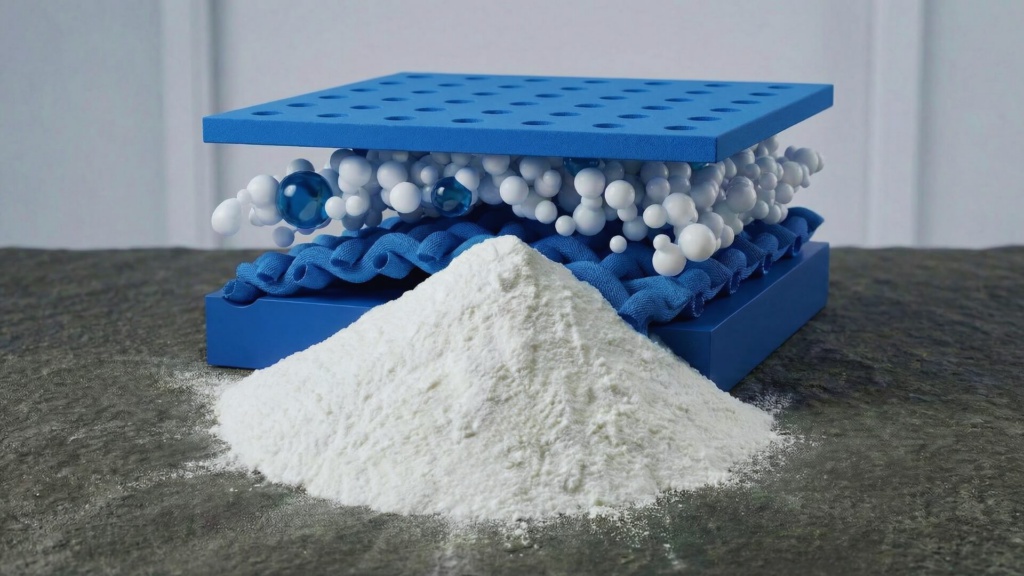
Analysis of the Industrial Application of Impurity-Removed Microsilica in Nano-Thermal Insulation Materials

——Material Properties and Application Guidelines for High-Temperature Engineering Insulation

  • 1. Outstanding high-temperature structural stability: Microsilica exhibits minimal structural rearrangement or densification at practical operating temperatures, facilitating long-term preservation of thermal insulation pore structures.
  • 2. Multi-mechanism synergistic insulation: Within insulation systems, microsilica simultaneously influences solid conduction, gas conduction, and radiative heat transfer—the three primary heat transfer modes.
  • 3. Strong Engineering Adaptability: The microsilica system demonstrates superior adaptability to construction conditions, thermal cycling, and long-term service environments, making it suitable for industrial field applications.
Learn More
Refractory Materials Industry

Application of Zirconium Microsilica Powder in High-Temperature, Abrasion-Resistant Refractory Castables

Application Research on Heat-Resistant and Erosion-Resistant Castable Materials

  • 1. Optimized thermomechanical stability: By adjusting high-temperature liquid phase characteristics, the material's high-temperature flexural strength (HMOR) is significantly enhanced, preventing softening or deformation.
  • 2. Enhanced slag resistance and permeation resistance: The denser high-temperature phases (e.g., mullite) formed by zirconium microsilica create an effective chemical barrier on the material surface.
  • 3. Multi-mechanism synergistic thermal shock resistance: Engineering practice demonstrates that the microphase transformation mechanism introduced by zirconium microsilica, combined with optimized matrix modulus, reduces damage to refractories caused by thermal stress.
Learn More