
Key Answer
What this article covers
This article introduces MSILI as an application-focused microsilica manufacturer and explains its product grades, main applications, quality controls, and technical support. It also shows how buyers can compare microsilica suppliers based on product suitability, test documents, batch consistency, sample performance, and delivery capability rather than price alone.
Start from the application target, then match SiO2, moisture, LOI, bulk density and fineness.
Performance depends on formula, dosage, dispersion and site process, so sample testing is recommended.
For purchasing, check batch stability, COA support, packaging and long-term supply capability.
Article Summary
MSILI supplies microsilica products for concrete, UHPC, refractory materials, oil well cement, coatings, resins, and industrial composites. The product range includes several SiO₂ grades, different bulk-density options, and zirconia-containing microsilica. This guide explains what MSILI microsilica is, how it works, where customers use it, and how buyers can choose a reliable microsilica manufacturer.
What Is Microsilica?
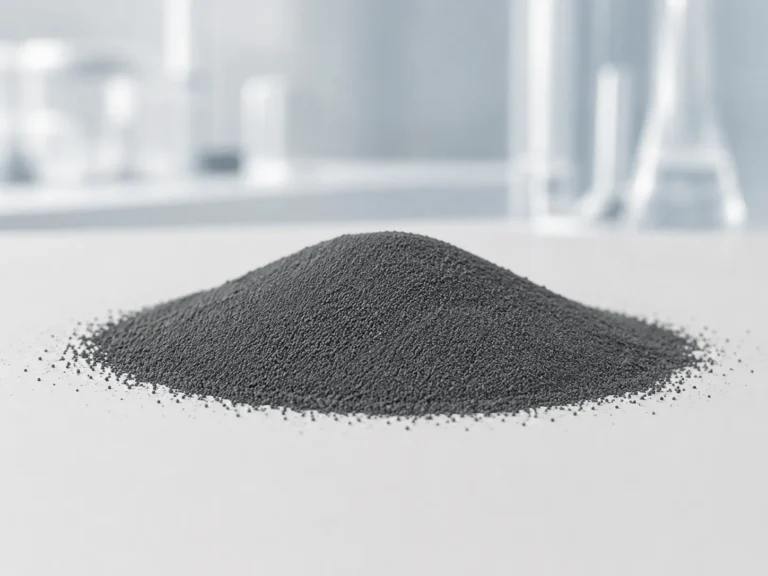
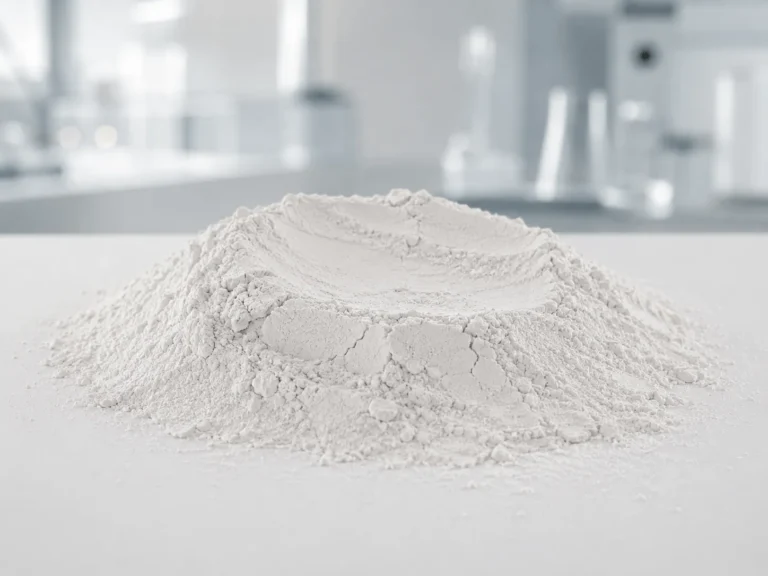
MSILI microsilica is an ultrafine mineral powder made mainly of amorphous silicon dioxide. In international markets, buyers also call this material silica fume.
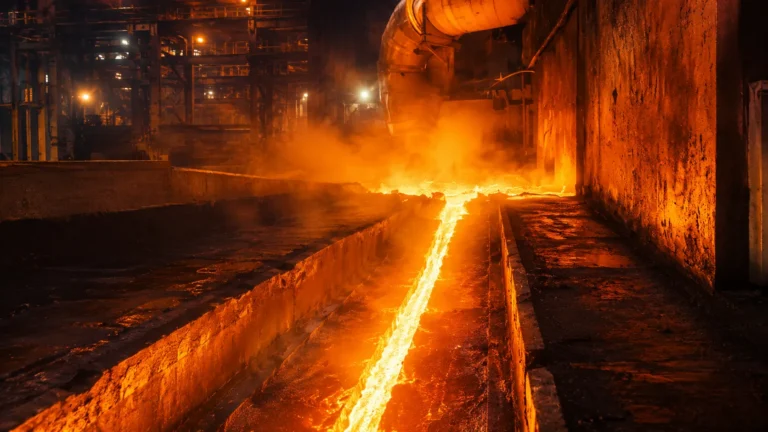
The silicon and ferrosilicon smelting process produces silicon-bearing gas at very high temperatures. When this gas cools and reacts with oxygen, it forms extremely fine silica particles. Industrial dust-collection systems then capture these particles.
As a result, microsilica has a very small particle size and a large surface area. These features allow it to fill fine gaps and react inside cement-based materials.
However, microsilica is not the same as ground quartz powder, crystalline silica flour, metal silicon powder, or spherical silica for electronic materials. These products come from different production methods and serve different purposes.
For example, ground quartz mainly works as a stable mineral filler. Microsilica, by contrast, can improve particle packing and take part in pozzolanic reactions. Therefore, buyers should confirm the exact product name before requesting a quotation or starting a trial.
Who Is MSILI?
MSILI is a microsilica brand operated by Wuxi Evnt New Materials Co., Ltd. The company focuses on product grading, application matching, sample support, quality documents, customized packaging, and commercial supply.
The MSILI product range includes:
- MSILI SF85
- MSILI SF90
- MSILI SF92
- MSILI SF94
- MSILI SF96
- MSILI SF98
- Zirconia-containing microsilica
- Densified microsilica
- Semi-densified microsilica
- Undensified microsilica
Each grade serves a different technical or commercial need. Some customers need a cost-effective product for standard concrete. Others need tighter impurity control for refractories, UHPC, oil well cement, coatings, or composite materials.
Therefore, MSILI does not treat microsilica as one universal product. Instead, the company matches the grade to the customer’s formulation, process, and performance target.
Why Does MSILI Offer Several Microsilica Grades?
Microsilica performance depends on more than SiO₂ content.
Two products may show similar silica values on a data sheet. Even so, they may perform differently because of changes in:
- Moisture
- Loss on ignition
- Carbon content
- Alkali content
- Iron and calcium levels
- Particle distribution
- Bulk density
- Agglomeration
- Dispersibility
- Water demand
- Pozzolanic activity
- Batch consistency
For concrete and UHPC, buyers often focus on activity, surface area, sieve residue, water demand, and compatibility with superplasticizers.
Refractory producers may pay more attention to flow, setting behavior, water requirement, impurity content, fired strength, and slag resistance.
Meanwhile, coatings and resin producers may care about color, moisture, particle size, surface condition, and compatibility with the binder.
Because these needs differ, one grade cannot perform equally well in every system. A professional microsilica manufacturer should first understand the application and then recommend a suitable product.
Where Do Customers Use MSILI Microsilica?
High-Performance Concrete and UHPC
Microsilica can improve the internal structure of concrete in two main ways.
First, its ultrafine particles fill small spaces between cement grains and aggregates. This effect improves particle packing and helps create a denser matrix.
Second, the amorphous silica reacts with calcium hydroxide from cement hydration. This reaction creates more calcium silicate hydrate, which contributes to strength and density.
With a well-designed mix, microsilica may help improve:
- Compressive strength
- Bond strength
- Matrix density
- Abrasion resistance
- Water resistance
- Chloride resistance
- Interfacial transition zones
- Long-term durability
However, microsilica also increases the surface area of the powder system. Therefore, formulators must control the water-binder ratio, superplasticizer dosage, mixing time, and curing process.
MSILI grades such as SF90, SF92, and SF94 may suit high-performance concrete, precast products, repair mortars, shotcrete, reactive powder concrete, and UHPC.
The final choice depends on the required performance, available mixing equipment, project specification, and target cost.
Refractory Castables and High-Temperature Materials
Microsilica plays an important role in low-cement and ultra-low-cement refractory castables.
It fills fine gaps between other raw materials and supports a dense matrix. In addition, it can affect flow, water demand, setting time, green strength, and fired properties.
Refractory formulators may use microsilica to improve:
- Castable flow
- Matrix density
- Green strength
- Fired strength
- Apparent porosity
- Wear resistance
- Erosion resistance
- Slag resistance
- Thermal-shock performance
However, the result depends on the full formulation. Cement type, alumina fines, aggregate grading, dispersants, and mixing procedures all influence performance.
For this reason, MSILI supplies both standard high-purity grades and zirconia-containing microsilica for refractory systems.
Zirconia-containing grades may support wear resistance, corrosion resistance, and high-temperature stability in selected formulations. Nevertheless, customers should confirm the benefits through laboratory testing before commercial use.
Oil Well Cement and Cementing Systems
Oil well cement systems require stable slurry behavior and reliable long-term sealing.
Microsilica can improve particle packing and help form a denser cement matrix. Depending on the formulation, it may also support:
- Slurry stability
- Free-fluid control
- Filtration control
- Early strength
- Low permeability
- Cement sheath integrity
- Interfacial bonding
- Long-term durability
Still, buyers should not confuse microsilica with crystalline silica flour.
Oil well cement formulators often use crystalline silica flour to reduce strength loss at high temperatures. Microsilica serves a different role because of its small particle size and reactive amorphous structure.
In some systems, formulators may use both materials. However, one product should not automatically replace the other.
Coatings, Resins, and Industrial Composites
Microsilica can also serve as a fine functional filler in coatings, resins, engineered stone, polymer-modified products, and industrial composites.
Depending on the formulation, it may support:
- Fine-gap filling
- Surface hardness
- Wear resistance
- Dimensional stability
- Matrix density
- Interfacial performance
However, these applications often require stricter control of color, moisture, impurities, and particle distribution.
Therefore, customers should share information about the resin, binder, mixing method, processing temperature, and final product requirements before choosing a grade.
How Can Buyers Evaluate a Microsilica Manufacturer?
Price matters, but it should not be the only selection factor.
A reliable microsilica manufacturer should show clear product knowledge, stable quality control, and practical supply support.
1. The Supplier Understands Different Applications
Concrete, UHPC, refractory castables, oil well cement, coatings, and composites have different technical needs.
Therefore, a supplier should not recommend the same grade for every customer. Instead, the supplier should ask about the formulation, process, required properties, and current problems.
2. The Supplier Provides Clear Documents
Professional suppliers should provide documents such as:
- Technical Data Sheet
- Safety Data Sheet
- Certificate of Analysis
- Batch number
- Packaging specification
- Product label
- Test method information
- Traceability records
Buyers should also understand the difference between a typical value and a batch result.
A typical value shows the normal product range. A batch Certificate of Analysis shows the actual test result for a specific shipment. Therefore, customers should use the agreed specification and batch documents for final acceptance.
3. The Supplier Uses Suitable Test Methods
A microsilica supplier should understand both chemical and physical properties.
Useful test methods may include:
- XRF chemical analysis
- XRD phase analysis
- SEM particle observation
- Particle-size analysis
- Bulk-density testing
- Moisture testing
- Loss-on-ignition testing
- Surface-area measurement
- Impurity analysis
These tests help the supplier identify raw-material differences and classify products more accurately.
4. The Supplier Supports Sample Testing
A data sheet cannot fully predict how microsilica will behave in the customer’s system.
For example, cement type, aggregate grading, water ratio, superplasticizer, dispersant, mixing energy, and curing conditions can all change the result.
Therefore, customers should test samples before placing a large order, especially for UHPC, refractories, oil well cement, coatings, and resin systems.
5. The Supplier Can Support Commercial Delivery
A successful laboratory test is only the first step.
The supplier must also control batch identity, storage, moisture protection, packaging, loading, export documents, and delivery schedules.
In addition, long-term industrial customers need consistent quality from order to order. A strong supplier should manage both technical performance and commercial delivery.
How Does MSILI Recommend a Microsilica Grade?
MSILI starts with the customer’s application rather than the product code.
To recommend a suitable grade, MSILI may ask for:
- Application type
- Current formulation
- Target performance
- Current microsilica dosage
- Required SiO₂ content
- Impurity limits
- Preferred bulk-density form
- Packaging requirement
- Trial quantity
- Estimated annual demand
- Delivery destination
After reviewing this information, MSILI can suggest a candidate grade and arrange a sample.
During testing, customers should measure the properties that matter most to the final product. These may include flow, water demand, dispersion, setting time, strength, porosity, wear resistance, corrosion resistance, or fired performance.
Once the sample meets the target, both sides can confirm the specification, packaging, quality documents, order quantity, and delivery plan.
Frequently Asked Questions
Is MSILI a microsilica manufacturer?
MSILI operates as an application-focused microsilica manufacturer and supplier. The company provides several SiO₂ grades, different bulk-density forms, zirconia-containing products, samples, technical documents, and customized supply support.
What MSILI microsilica grades are available?
The MSILI range includes SF85, SF90, SF92, SF94, SF96, SF98, and zirconia-containing grades. Customers can also select densified, semi-densified, or undensified forms.
Is a higher SiO₂ content always better?
No. A higher SiO₂ content may suit applications that need higher purity. However, buyers should also consider activity, impurities, water demand, dispersion, bulk density, compatibility, and cost.
Should customers test microsilica before buying?
Yes. Sample testing helps confirm whether the product works with the customer’s raw materials, additives, equipment, and process.
What information helps MSILI select a grade?
Customers should provide the application, target properties, required specification, current formulation, expected dosage, packaging, order quantity, and delivery destination.
Conclusion
MSILI supplies microsilica for concrete, UHPC, refractory materials, oil well cement, coatings, resins, and industrial composites.
The best grade does not always have the highest SiO₂ content. Instead, it should match the customer’s formulation, process, quality target, and budget.
Therefore, buyers should evaluate product properties, batch consistency, technical documents, sample performance, and delivery support before choosing a microsilica manufacturer.
For a more accurate recommendation, customers should provide clear application details, technical requirements, expected order volume, packaging needs, and delivery location.