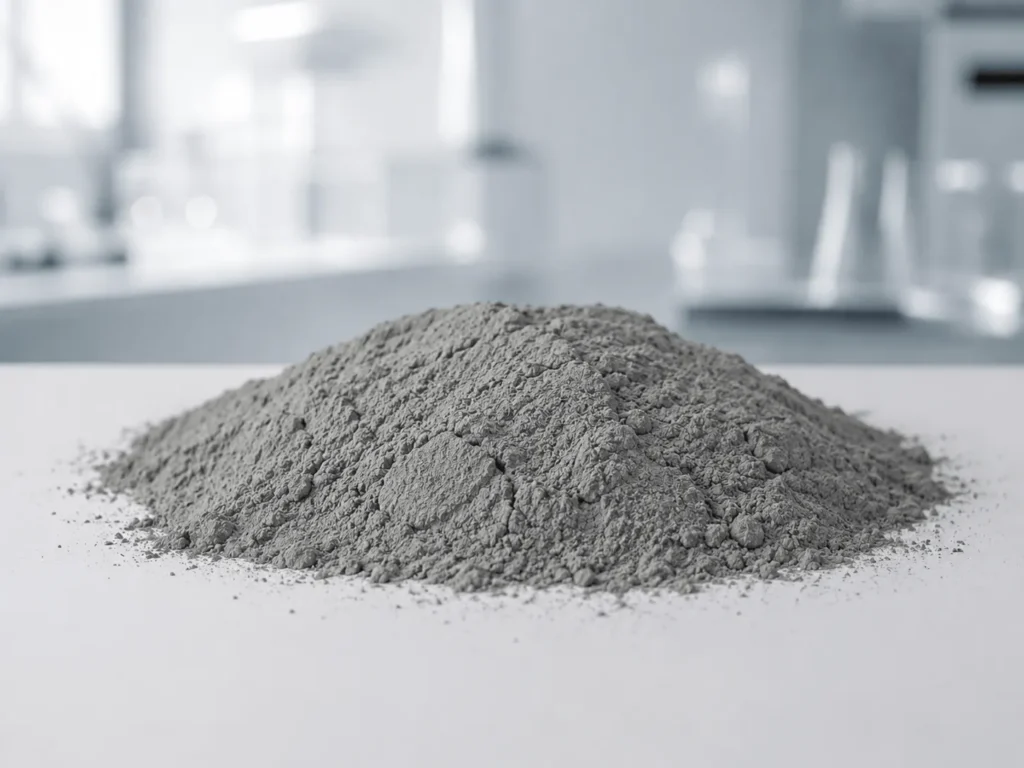
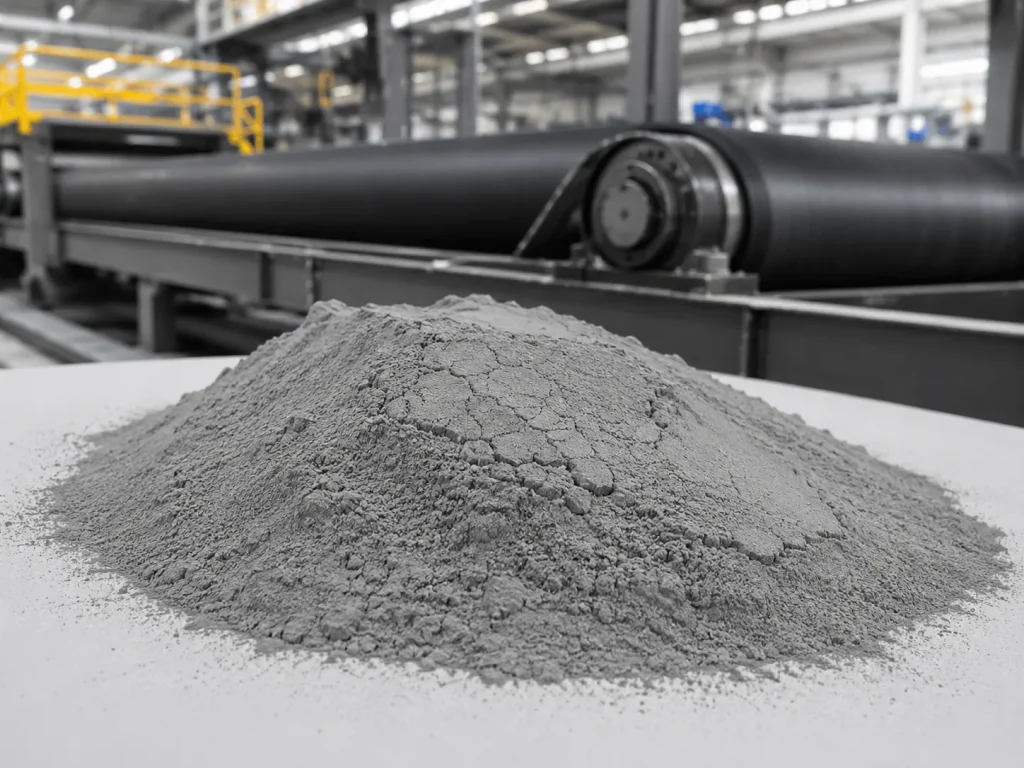
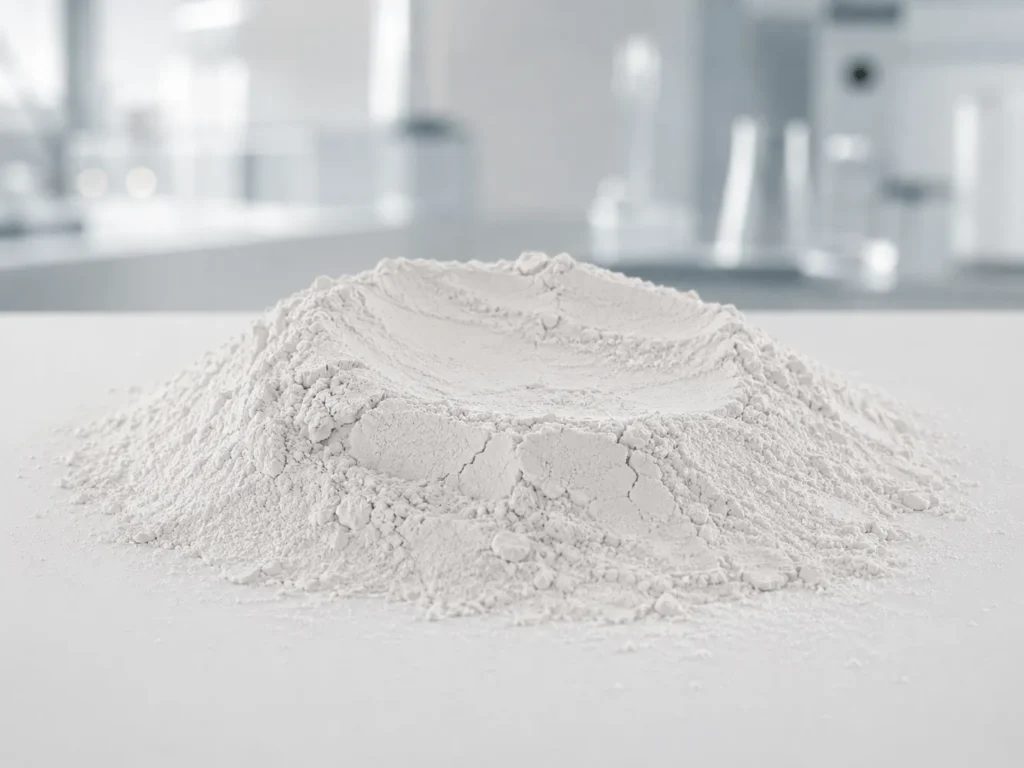
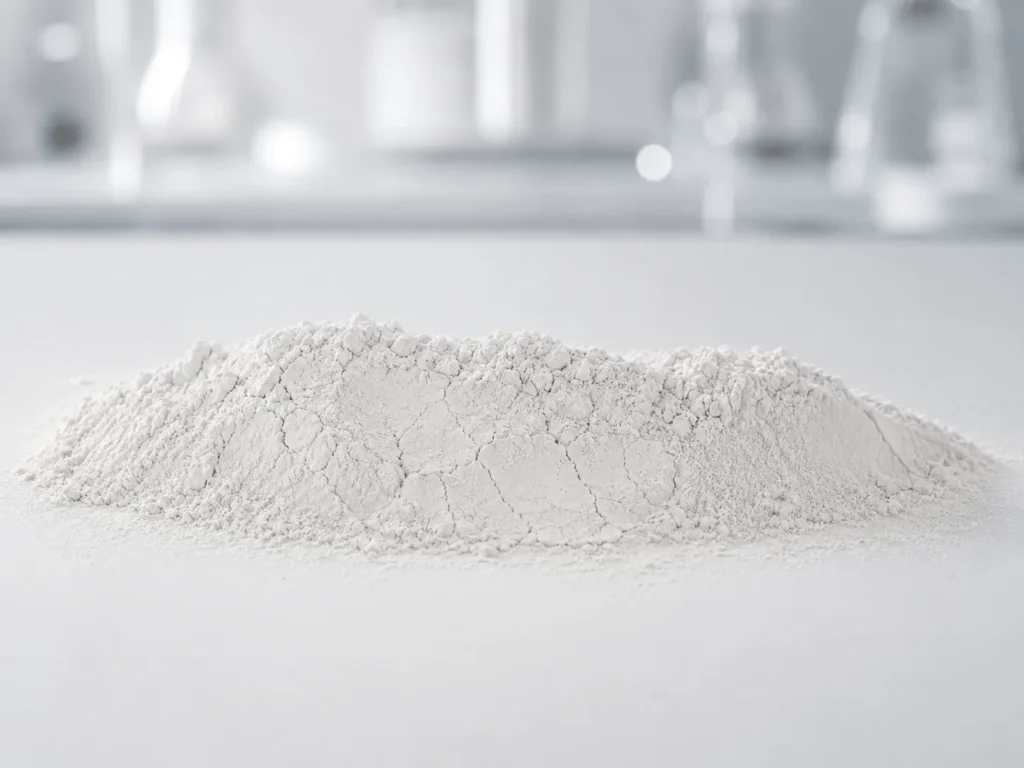
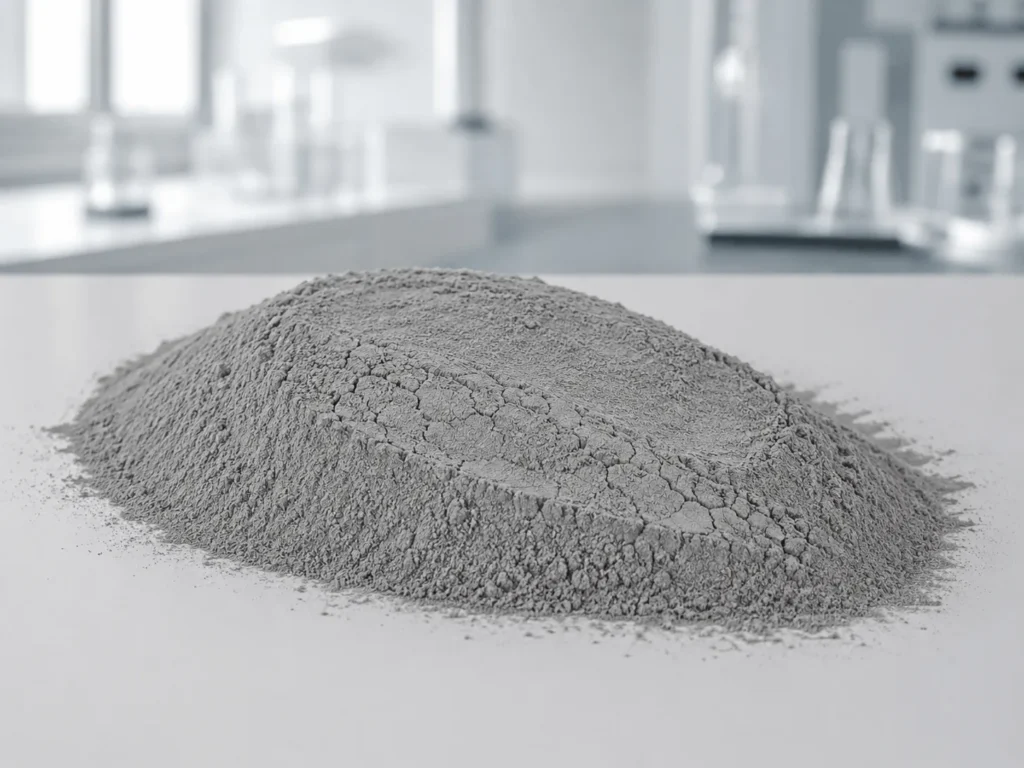
We publish specialized articles covering the uses, technical specifications, application scenarios, product selection, and procurement information for microsilica, helping customers quickly determine whether a material meets their project objectives.
Translate Powder Specifications into Application Decisions
This section brings together MSILI technical articles on silica fume, microsilica and related fine powders. It covers the path from basic material knowledge and specification review to sample testing, bulk purchasing and project documentation.
Technical articles are based on experience in engineering applications and quality control.
Content will be continuously updated based on common procurement questions and project feedback.
We support communication regarding documentation, test reports, and samples in both Chinese and English.
TDS, MSDS, and COA documents are available for free download or upon request.
Silica fume is widely used in high-performance concrete, refractory castables, grouts, and other advanced industrial applications. However, not all silica fume products have the same physical characteristics. Depending on how…
Silica fume is available in several physical forms, and choosing the right one can make a meaningful difference in material handling, transportation, storage, and mixing performance. In the market, buyers…
Silica fume and fly ash are two common supplementary cementitious materials used in concrete. Both materials can improve concrete performance. They react with products from cement hydration, make the concrete…
This article explains why MSILI microsilica does not have one fixed price per ton. It examines how SiO₂ content, product form, application requirements, packaging, order quantity, freight, and Incoterms affect the final quotation, while helping buyers compare suppliers by total purchasing cost instead of the quoted product price alone.
A brand providing Silica Fume products and application support for concrete, UHPC, refractory materials, oil well cement, and industrial composites. This article introduces MSILI Silica Fume from the perspectives of product definition, model system, quality control, application compatibility, and supply services, and explains how buyers should assess whether a Silica Fume Manufacturer is capable of long-term collaboration.
Silica fume can improve refractory castable flowability by optimizing particle packing and reducing water demand. However, its actual performance depends heavily on dispersion, agglomeration, and compatibility with deflocculants.
Silica fume affects particle packing, water demand, oxidation resistance, mullite formation, and slag corrosion in blast-furnace trough castables. The correct grade and dosage depend on the operating conditions of each trough zone.
Silica fume can improve the stability, fluid-loss control, early strength, and pore structure of oil-well cement. Its performance, however, depends on slurry density, temperature, salinity, additive compatibility, and long-term well conditions.
Silica fume can improve UHPC particle packing, pore structure, hydration, and fiber–matrix bonding. Its actual value depends on dispersion, rheology, superplasticizer compatibility, and dosage.
Silica fume is an ultrafine amorphous SiO₂ material used in concrete, UHPC, refractory castables, mortars, and other engineered systems. Learn how it is produced, how it works, and how to select the right grade.
From material specifications to interface-enhancing processes, this article examines the systematic compatibility logic between microsilica, ultrafine mineral powder, and water-reducing agents in UHPC formulations.
Testing Topics
Selection Guide for Microsilica in Refractory Castables
This document systematically categorizes the application scenarios of microsilica varieties in the refractory materials industry based on operating temperature, impurity type, and particle size processing methods.
Standards Special Feature
Comparative Analysis of Technical Standards for Microsilica
A comparative analysis of the key differences among the three major standards: China’s GB/T 18736, the U.S. ASTM C1240, and Europe’s EN 13263.
FIND BY PROBLEM TYPE
Search by Question Type
Performance and Mix ProportionsStrength, Water Permeability, Durability, and Dosage
Activity Index AssessmentActivity, Reaction Rate, and Test Methods
Dispersion and ApplicationWater Demand, Workability, and Pumpability
Samples and TestingSample Requests, Testing Items, and Turnaround Time
Quality AssessmentSiO₂, loss on ignition, moisture content, and batch
Storage and TransportationMoisture Protection, Packaging, and Export Documentation
FREQUENTLY ASKED QUESTIONS
Frequently Asked Questions
Are microsilica and silica fume the same material?
In most industrial contexts, these two terms refer to the same type of fine silica powder, but different markets may use different names. When purchasing, it is recommended to verify SiO₂, loss on ignition, moisture content, particle size, and density simultaneously.
What is the recommended dosage of microsilica in concrete?
Typical dosage rates may be adjusted based on strength class, cementitious system, and desired construction performance. It is recommended to first conduct trial mixes using samples and then determine the dosage based on workability, strength, and impermeability data.
Why is a COA or test report required for each batch?
Microsilica is a batch-specific material; batch-specific data helps customers track key performance indicators and reduces the risks associated with cross-batch mix design and the submission of engineering documentation.
Do different packaging sizes affect usage?
Yes. The packaging formats—small bags, ton bags, bulk, and compressed forms—can affect storage, moisture protection, material feeding, and logistics costs, so the choice should be based on the factory’s equipment and the project’s schedule.
Can’t find the answer you’re looking for? Send us your project-related questions.
If you are evaluating the suitability of microsilica, active silica, or fine powder fillers based on their specifications, we can provide recommendations tailored to your application system, target performance, existing formulations, and procurement schedule.
Please submit your inquiry, and we will contact you as soon as possible.
Your message has been submitted.
We will contact you as soon as possible.
Manage Consent
To provide the best experiences, we use technologies like cookies to store and/or access device information. Consenting to these technologies will allow us to process data such as browsing behavior or unique IDs on this site. Not consenting or withdrawing consent, may adversely affect certain features and functions.
Functional
Always active
The technical storage or access is strictly necessary for the legitimate purpose of enabling the use of a specific service explicitly requested by the subscriber or user, or for the sole purpose of carrying out the transmission of a communication over an electronic communications network.
Preferences
The technical storage or access is necessary for the legitimate purpose of storing preferences that are not requested by the subscriber or user.
Statistics
The technical storage or access that is used exclusively for statistical purposes.The technical storage or access that is used exclusively for anonymous statistical purposes. Without a subpoena, voluntary compliance on the part of your Internet Service Provider, or additional records from a third party, information stored or retrieved for this purpose alone cannot usually be used to identify you.
Marketing
The technical storage or access is required to create user profiles to send advertising, or to track the user on a website or across several websites for similar marketing purposes.

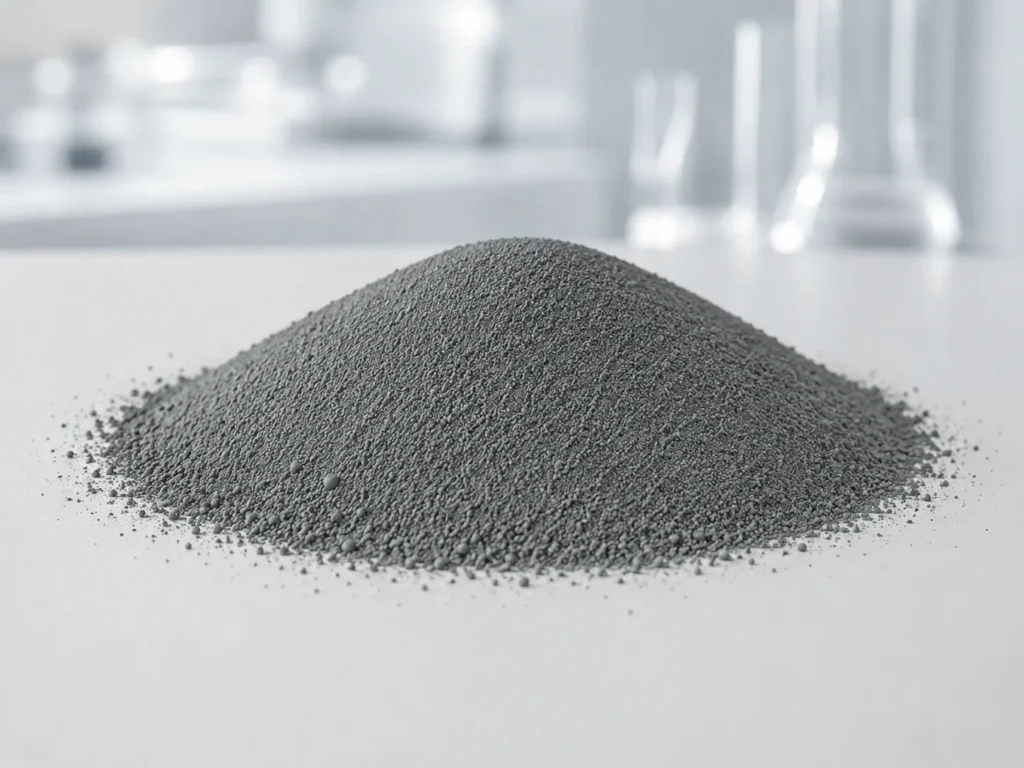 Microsilica Basics