Key Answer
What this article covers
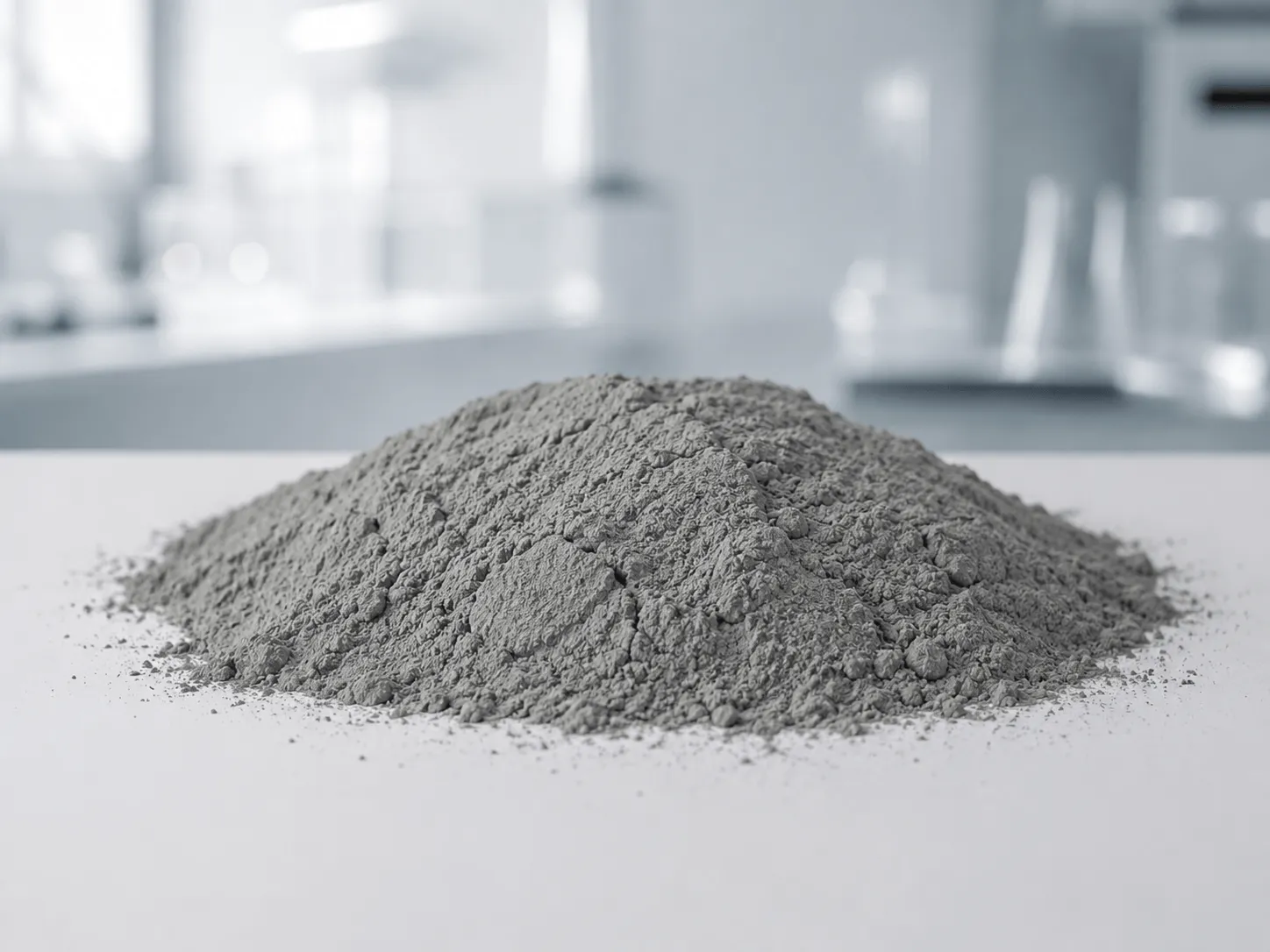
Silica fume is an ultrafine amorphous SiO₂ material used in concrete, UHPC, refractory castables, mortars, and other engineered systems. Learn how it is produced, how it works, and how to select the right grade.
Start from the application target, then match SiO2, moisture, LOI, bulk density and fineness.
Performance depends on formula, dosage, dispersion and site process, so sample testing is recommended.
For purchasing, check batch stability, COA support, packaging and long-term supply capability.
Overview
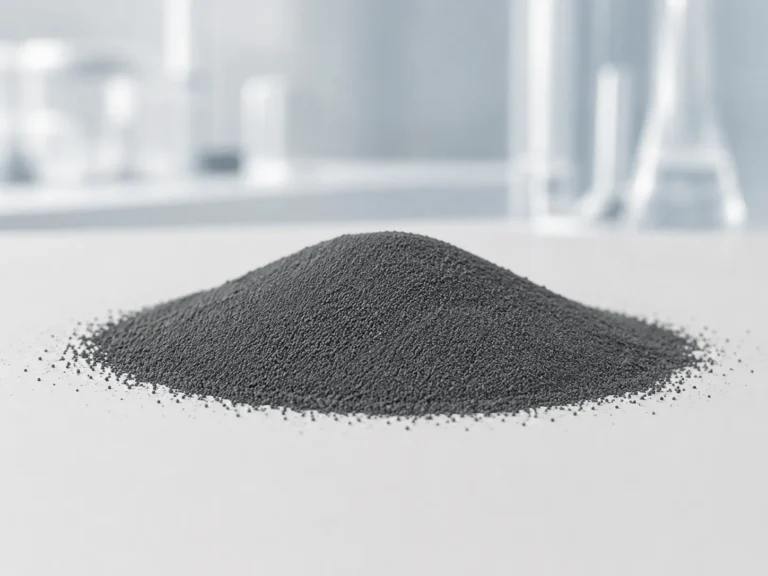
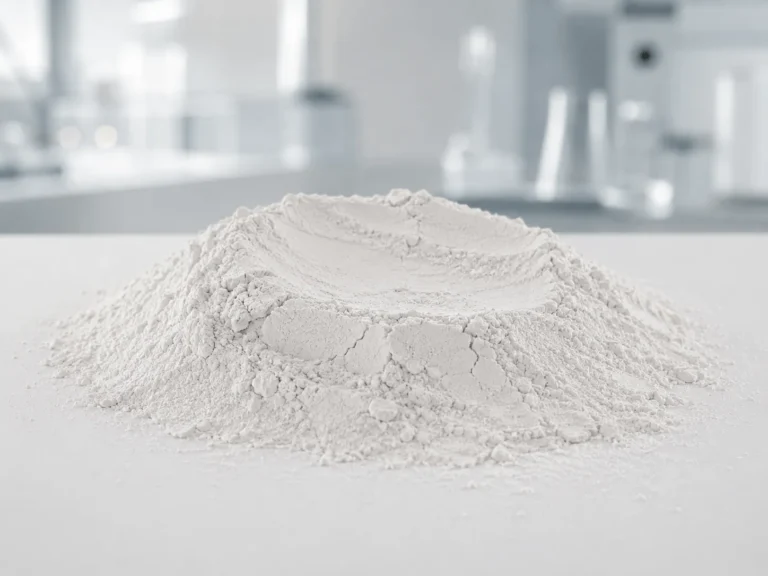
Silica fume, also known as microsilica, is an ultrafine amorphous SiO₂-rich material collected during the production of silicon metal and ferrosilicon alloys.
It is not ground quartz, silica flour, or silicon metal powder.
In cement-based applications, standards such as ASTM C1240 and EN 13263 provide useful baseline requirements. However, UHPC, refractory castables, oil-well cement, and other industrial systems often require additional application-specific controls covering dispersion, impurities, particle characteristics, and batch consistency.
This guide explains:
- what silica fume is;
- how manufacturers produce it;
- which properties matter;
- where it is commonly used;
- how to select a suitable and consistent grade.
1. Are Silica Fume and Microsilica the Same Material?
In most construction-material and industrial applications, silica fume and microsilica refer to the same general material: an ultrafine powder composed mainly of amorphous silicon dioxide.
The difference lies mainly in terminology.
Silica fume appears more frequently in:
- international standards;
- concrete specifications;
- technical papers;
- laboratory test reports;
- engineering documents.
Microsilica appears more frequently in:
- commercial product descriptions;
- international trade;
- refractory-material applications;
- industrial filler markets;
- supplier documentation.
In practical terms:
Silica fume is the standard technical name, while microsilica is a widely used commercial and industrial term for the same material.
However, neither term should be confused with silica flour, quartz powder, precipitated silica, or silicon metal powder.
2. How Is Silica Fume Produced?
Silica fume is not a naturally occurring mineral powder, nor do manufacturers produce it by grinding quartz sand.
It forms as a by-product of silicon metal or ferrosilicon alloy production.
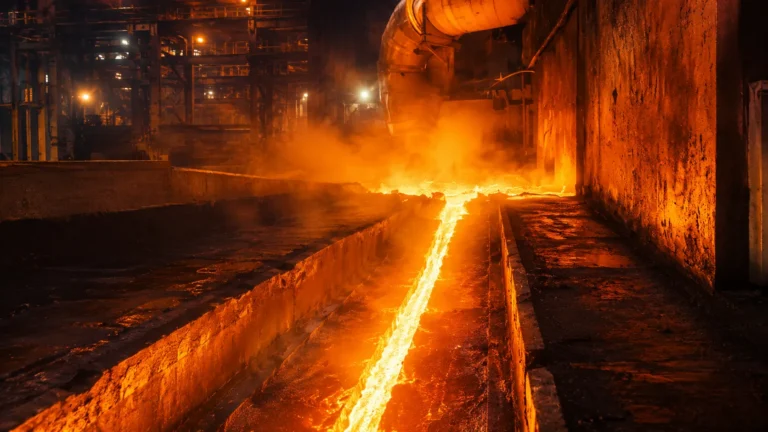
During smelting, quartz reacts with carbon-based reducing materials at very high temperatures in an electric furnace. The process generates silicon-bearing vapours.
As these vapours leave the furnace and contact air, they oxidize and condense into extremely fine, mostly spherical amorphous SiO₂ particles.
A dust-collection system then captures the particles as silica fume.
The production process can be summarized as follows:
- quartz and reducing materials enter the furnace;
- high-temperature reactions produce silicon or ferrosilicon;
- silicon-bearing vapours leave the reaction zone;
- the vapours oxidize and condense;
- filtration equipment collects the ultrafine silica particles.
Silica fume is therefore:
An ultrafine amorphous silica powder formed through the oxidation, condensation, and collection of fumes generated during silicon or ferrosilicon smelting.
3. What Does Silica Fume Contain?
The main component of silica fume is silicon dioxide, primarily in an amorphous rather than crystalline form.
Depending on the silicon alloy, furnace conditions, raw materials, and collection system, silica fume may also contain small quantities of:
- Al₂O₃;
- Fe₂O₃;
- CaO;
- MgO;
- K₂O;
- Na₂O;
- residual carbon;
- moisture;
- other trace components.
For cement-based applications, ASTM C1240 defines requirements for silica fume used in concrete and other hydraulic cementitious systems.
However, buyers should not evaluate silica fume solely by colour, apparent fineness, or SiO₂ content.
Important properties may include:
- SiO₂ content;
- loss on ignition;
- moisture content;
- strength activity index;
- 45 μm sieve residue;
- bulk density;
- particle-size distribution;
- specific surface area or fineness;
- dispersibility;
- impurity composition;
- batch-to-batch consistency.
The most important properties depend on the intended application.
For example, concrete producers may focus heavily on pozzolanic activity and admixture compatibility, while refractory manufacturers may place greater emphasis on impurity levels, water demand, rheology, and high-temperature phase development.
4. How Does Silica Fume Improve Concrete?
Silica fume mainly affects cement-based materials through two mechanisms:
- physical microfilling;
- pozzolanic reaction.
4.1 Microfilling Effect
Silica fume particles are much finer than ordinary cement grains.
When the material disperses properly, its ultrafine particles fill small voids between cement particles and other mineral components.
This can:
- improve particle packing;
- reduce capillary pores;
- refine the interfacial transition zone;
- create a denser cement paste;
- reduce pathways for water and aggressive ions.
A denser microstructure can improve:
- water resistance;
- resistance to chloride penetration;
- abrasion resistance;
- chemical resistance;
- long-term durability.
4.2 Pozzolanic Reaction
Portland cement hydration produces calcium hydroxide.
The amorphous SiO₂ in silica fume reacts with calcium hydroxide and forms additional calcium silicate hydrate, commonly referred to as C–S–H.
C–S–H provides much of the strength and structural continuity within hardened cement paste.
Through this reaction, silica fume can:
- reduce part of the calcium hydroxide content;
- generate additional binding products;
- refine the pore structure;
- improve matrix density;
- support higher strength and durability.
In simple terms:
Silica fume fills fine voids physically and forms additional cementitious products chemically.
Its actual performance still depends on dosage, dispersion, water-to-binder ratio, admixture compatibility, curing, and the complete mix design.
5. Common Supply Forms of Silica Fume
Suppliers commonly classify silica fume according to its bulk density and degree of densification.
5.1 Undensified Silica Fume
Undensified silica fume remains in a loose, low-bulk-density state.
Its main characteristics include:
- relatively easy dispersion in suitable systems;
- low bulk density;
- high storage-volume requirement;
- lower transport efficiency;
- greater dust-control requirements.
It can suit formulations that require rapid wetting and dispersion, provided the production facility can manage its handling characteristics.
5.2 Densified Silica Fume
Densified silica fume undergoes controlled agglomeration to increase its bulk density.
Its main advantages include:
- improved transport efficiency;
- more compact packaging;
- easier storage;
- more stable feeding;
- reduced dust during handling.
Concrete, mortar, and large engineering projects commonly use densified silica fume.
However, the mixer must provide sufficient water, chemical dispersion, time, and mechanical energy to break down the agglomerates.
5.3 Partially Densified Silica Fume
Partially densified, sometimes called semi-densified, silica fume falls between undensified and fully densified grades.
It aims to balance:
- transport efficiency;
- storage convenience;
- feeding stability;
- dispersion performance.
Partially densified grades may suit:
- UHPC;
- precast concrete;
- large-volume concrete production;
- dry-mix materials;
- refractory castables.
No supply form is universally superior.
The best choice depends on the feeding system, mixer type, mixing energy, production cycle, required dispersion, packaging, and transportation conditions.
6. Where Is Silica Fume Used?
Silica fume is particularly valuable in systems that require high density, strength, durability, low permeability, or stable high-temperature performance.
6.1 High-Performance Concrete
Silica fume is widely used in concrete for:
- bridges;
- marine structures;
- ports;
- tunnels;
- high-rise buildings;
- hydraulic structures;
- industrial floors;
- repair projects.
It can improve compressive strength, permeability resistance, chloride resistance, abrasion resistance, and durability when the formulation uses an appropriate dosage and admixture system.
6.2 UHPC and RPC
Silica fume is a key mineral component in many ultra-high-performance concrete and reactive powder concrete formulations.
It can:
- fill fine particle-size gaps;
- improve particle packing;
- refine the pore structure;
- influence paste rheology;
- contribute to high strength;
- improve the fiber–matrix interface.
UHPC systems are especially sensitive to silica fume dispersion, agglomeration, batch consistency, and compatibility with polycarboxylate superplasticizers.
6.3 Refractory Materials
Refractory manufacturers use silica fume in:
- low-cement castables;
- ultra-low-cement castables;
- cement-free systems;
- blast-furnace trough castables;
- iron and slag runners;
- high-temperature repair materials.
Depending on the formulation, silica fume can improve particle packing, flowability, matrix density, ceramic bonding, oxidation resistance, and penetration resistance.
However, it also affects total SiO₂ content and high-temperature liquid-phase formation. Refractory selection should therefore consider impurities and reactions at service temperature, not only room-temperature properties.
6.4 Mortars and Grouts
Silica fume may improve the performance of:
- repair mortars;
- waterproof mortars;
- non-shrink grouts;
- high-strength grouts;
- bonding mortars;
- specialized dry-mix products.
Its benefits may include higher density, stronger bonding, lower permeability, and improved mechanical performance.
6.5 Oil-Well Cement
In oil-well cement systems, silica fume can support:
- slurry stability;
- free-fluid control;
- fluid-loss control;
- pore refinement;
- early strength development;
- permeability reduction.
Its function depends strongly on slurry density, temperature, pressure, salinity, and the complete additive package.
In high-temperature wells, silica fume should not be confused with crystalline silica flour, which performs a different role in controlling strength retrogression.
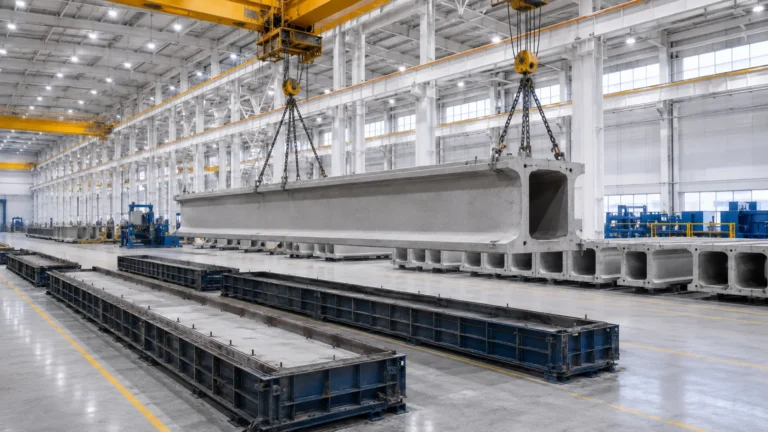
6.6 High-Strength Precast Products
Silica fume is also used in:
- bridge components;
- pipe piles;
- high-strength cover slabs;
- precast structural elements;
- RPC products;
- specialized cement products.
It can support early strength, final strength, surface quality, density, and durability.
7. How Does Silica Fume Differ from Other Mineral Powders?
Silica fume, fly ash, ground granulated blast-furnace slag, and quartz flour may all enter cementitious formulations, but they differ significantly in origin, particle characteristics, and reactivity.
Silica Fume
- Origin: silicon metal or ferrosilicon production
- Main characteristic: ultrafine amorphous SiO₂
- Main functions: microfilling and strong pozzolanic reaction
Fly Ash
- Origin: coal-combustion residues
- Main characteristic: spherical particles with variable chemical composition
- Main functions: workability improvement, reduced heat development, and later-age performance
Ground Granulated Blast-Furnace Slag
- Origin: granulated ironmaking slag
- Main characteristic: latent hydraulic material
- Main functions: cement replacement, strength development, and durability improvement
Quartz Flour
- Origin: mechanically ground quartz
- Main characteristic: primarily crystalline SiO₂
- Main functions: particle packing and filler contribution, with limited reactivity under ordinary curing conditions
Silica fume should not be treated as a conventional filler.
Its main value comes from the combination of:
Ultrafine particle filling and the pozzolanic reactivity of amorphous SiO₂.
8. How to Select the Right Silica Fume
Selection should begin with the intended application rather than price, colour, or SiO₂ content alone.
For High-Performance Concrete
Evaluate:
- SiO₂ content;
- strength activity index;
- moisture;
- loss on ignition;
- sieve residue;
- water demand;
- superplasticizer compatibility;
- batch consistency.
For UHPC and RPC
Place additional emphasis on:
- particle-size distribution;
- agglomeration state;
- dispersion efficiency;
- bulk density;
- PCE compatibility;
- flow retention;
- batch-to-batch consistency;
- effect on shrinkage and fiber distribution.
For Refractory Castables
Focus on:
- SiO₂ content;
- CaO and alkali content;
- loss on ignition;
- particle characteristics;
- water demand;
- flow and flow retention;
- binder compatibility;
- high-temperature phase formation;
- oxidation and slag resistance.
For Large Engineering or Export Projects
Prioritize suppliers that can provide:
- consistent certificates of analysis;
- clear product specifications;
- batch identification;
- traceability;
- retained samples where required;
- stable packaging;
- controlled loading and delivery;
- technical documentation.
A reliable supply should provide consistent performance, not merely a compliant result from one production batch.
9. Frequently Asked Questions
Is Microsilica the Same as Silica Fume?
Yes. In most industrial and construction-material applications, microsilica and silica fume refer to the same ultrafine amorphous SiO₂-rich material collected during silicon or ferrosilicon production.
Is Silica Fume the Same as Silica Flour or Quartz Powder?
No.
Silica fume consists mainly of ultrafine amorphous SiO₂ particles formed through vapour oxidation and condensation.
Silica flour or quartz powder is generally produced by mechanically grinding crystalline quartz.
They differ in particle size, structure, reactivity, production method, and application.
Is Whiter Silica Fume Always Better?
No.
Silica fume colour can vary according to furnace conditions, alloy type, residual carbon, iron content, and other impurities.
Colour alone does not determine quality.
Buyers should focus on application-relevant properties such as:
- SiO₂ content;
- loss on ignition;
- moisture;
- activity;
- particle characteristics;
- dispersibility;
- batch consistency.
Is a Higher Silica Fume Dosage Always Better?
No.
Excessive silica fume may:
- increase water demand;
- increase superplasticizer demand;
- raise paste viscosity;
- reduce workability;
- increase shrinkage risk;
- raise formulation costs.
The correct dosage depends on the complete mix design, target properties, production process, and service conditions.
Should I Choose Densified or Partially Densified Silica Fume?
Choose densified silica fume when transport efficiency, storage, and stable feeding are the main priorities and the mixing system can break down the agglomerates effectively.
Choose partially densified silica fume when the application requires a balance between transport efficiency and dispersion.
The correct choice depends on the mixer, feeding method, mixing time, water content, and chemical-admixture system.
Can Silica Fume Increase Concrete Strength?
Yes, when the product, dosage, mix design, dispersion, and curing conditions are suitable.
Silica fume can improve concrete strength through microfilling and pozzolanic reaction.
However, results vary according to cement type, water-to-binder ratio, aggregate grading, admixtures, mixing, placement, and curing.
Which Industries Use Silica Fume?
Typical users include:
- ready-mix concrete producers;
- UHPC and RPC manufacturers;
- refractory manufacturers;
- precast concrete plants;
- mortar and grout producers;
- oil-well cement formulators;
- infrastructure contractors;
- international construction-material distributors.
Specialized grades may also serve selected resin, rubber, ceramic, and industrial filler applications after technical validation.
Conclusion
Silica fume is an ultrafine, reactive mineral material with a clearly defined industrial origin and established applications in concrete, UHPC, refractory castables, mortars, precast components, and other engineered systems.
It is not ordinary ground silica.
Its performance comes from the combination of:
- ultrafine particle filling;
- amorphous SiO₂ reactivity;
- particle-packing improvement;
- pore-structure refinement.
The most suitable silica fume is not necessarily the whitest, finest, most highly densified, or highest-purity product.
Successful selection requires a broader evaluation of:
- application requirements;
- chemical composition;
- impurity profile;
- particle characteristics;
- densification state;
- dispersibility;
- admixture compatibility;
- batch consistency;
- supply reliability.
Selecting the correct grade and supply form—and validating it in the actual formulation—allows manufacturers to use silica fume more reliably and obtain consistent engineering performance.