Key Answer
What this article covers
Silica fume is widely used in high-performance concrete, refractory castables, grouts, and other advanced industrial applications. However, not all silica fume products have the same physical characteristics. Depending on how the material is processed, silica fume is commonly supplied in two dry…
Start from the application target, then match SiO2, moisture, LOI, bulk density and fineness.
Performance depends on formula, dosage, dispersion and site process, so sample testing is recommended.
For purchasing, check batch stability, COA support, packaging and long-term supply capability.
Silica fume is widely used in high-performance concrete, refractory castables, grouts, and other advanced industrial applications. However, not all silica fume products have the same physical characteristics.
Depending on how the material is processed, silica fume is commonly supplied in two dry forms: undensified silica fume and densified silica fume.
Although both forms originate from the same type of industrial by-product, they differ in bulk density, particle agglomeration, handling characteristics, transportation efficiency, and dispersion behavior.
Understanding these differences is important when selecting silica fume for a specific manufacturing process or end-use application.
In this guide, we explain how undensified and densified silica fume are produced, compare their key physical properties, and discuss how to choose the right form for your application.
1. What Is Undensified Silica Fume?
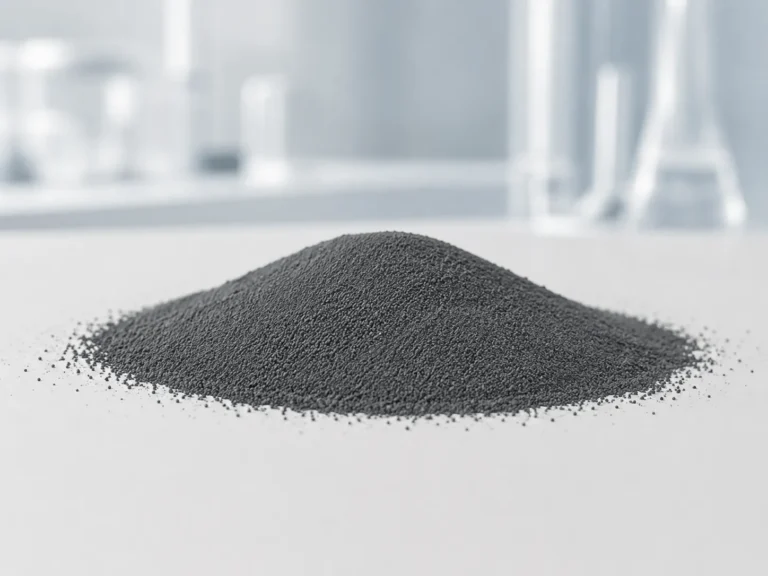
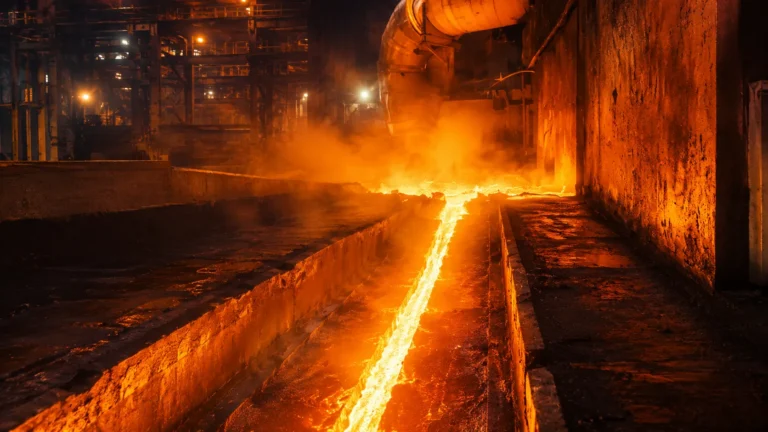
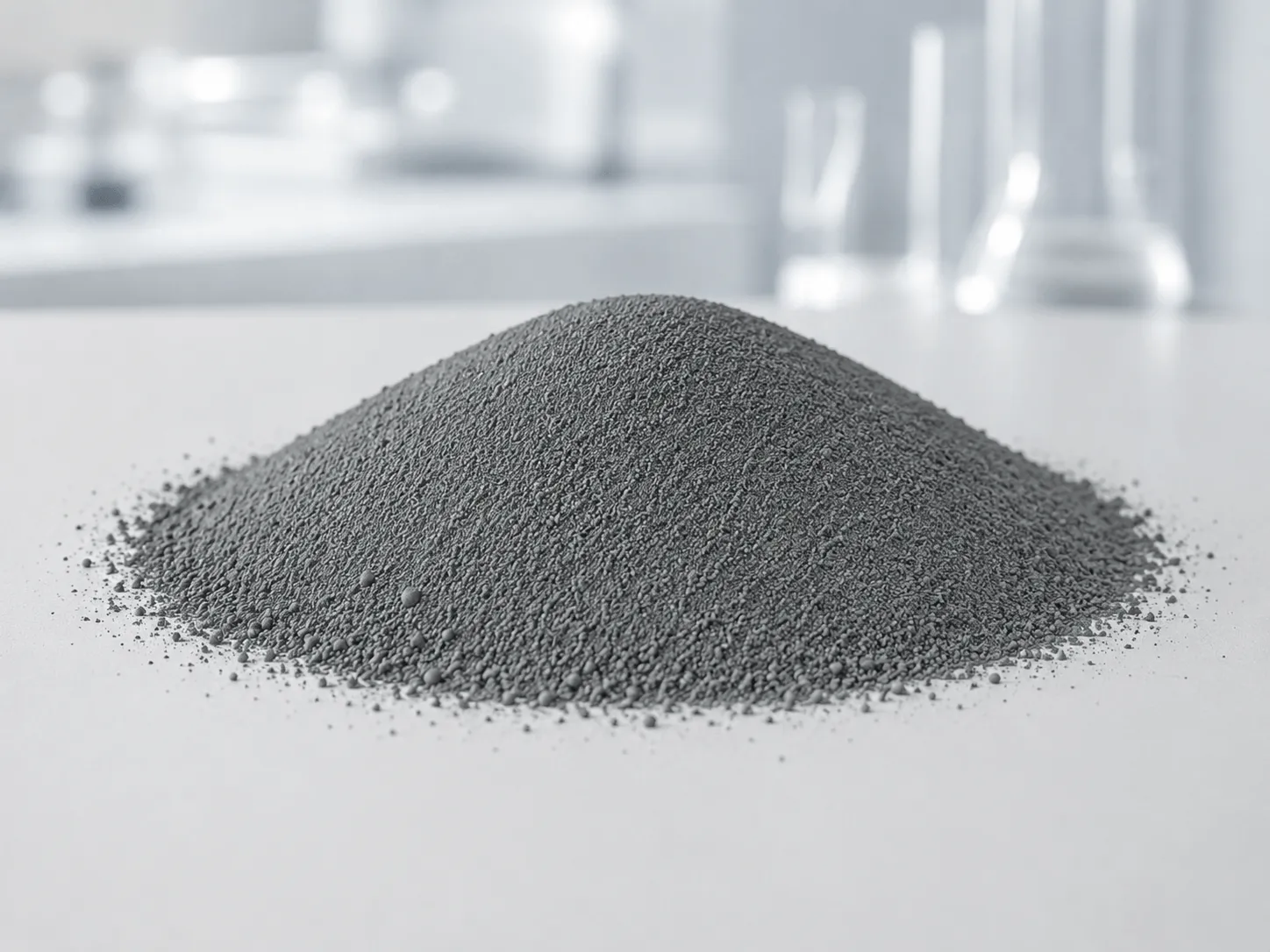
Undensified silica fume is the low-bulk-density powder collected from the production of silicon metal and ferrosilicon alloys in electric arc furnaces.
During the smelting process, silicon-containing gases oxidize and condense into extremely fine amorphous silica particles, which are subsequently collected through industrial dust collection systems.
The resulting material has an extremely fine particle size and a naturally loose, fluffy structure.
Unlike densified silica fume, undensified silica fume has not undergone the conventional physical densification process.
Key Characteristics
- Very fine amorphous silica particles
- Low bulk density
- Loose and fluffy powder structure
- Relatively easy dispersion under suitable mixing conditions
- Larger storage and transportation volume per unit of weight
Undensified silica fume is often used in applications where powder dispersion is important, including certain pre-bagged grouts, repair mortars, and specialized dry-mix formulations.
However, its low bulk density makes large-scale transportation and storage less efficient.
2. What Is Densified Silica Fume?
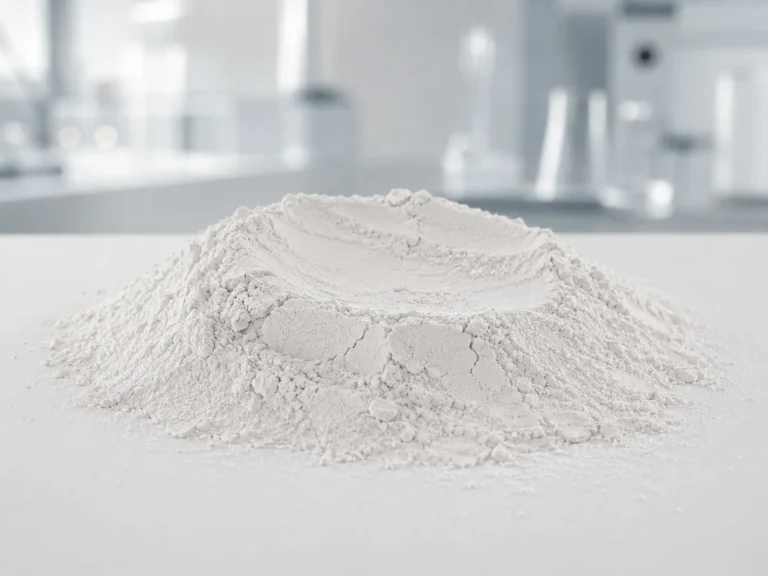
Densified silica fume is produced by physically processing undensified silica fume to increase its bulk density.
During the densification process, fine silica fume particles are brought into contact through controlled movement and agitation, forming relatively weak particle agglomerates.
These agglomerates increase the apparent bulk density of the material while retaining the original chemical identity of the silica fume.
Importantly, densification is a physical treatment rather than a chemical modification process.
Key Characteristics
- Higher bulk density
- More compact powder structure
- Greater particle agglomeration
- Improved transportation and storage efficiency
- Requires sufficient mixing energy to achieve effective dispersion
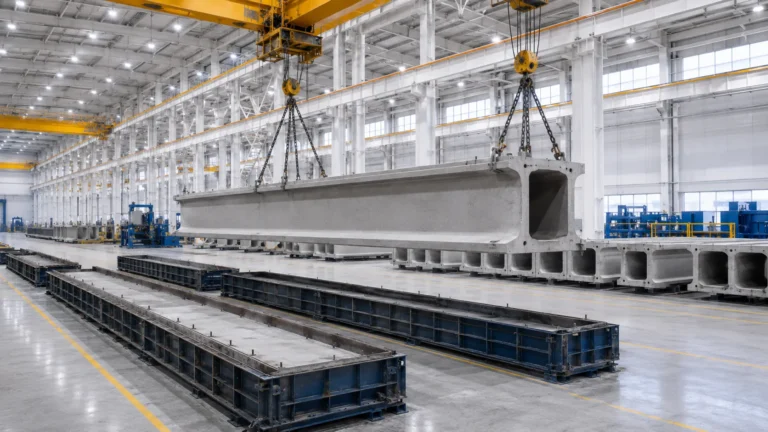
Densified silica fume is widely used in ready-mixed concrete, precast concrete, and other large-scale applications where efficient transportation, storage, and material handling are important.
Its increased bulk density makes it more suitable for bulk transportation and pneumatic conveying systems.
3. Undensified vs. Densified Silica Fume: Key Differences
The primary differences between these two product forms are related to their physical characteristics and handling requirements.
| Property | Undensified Silica Fume | Densified Silica Fume |
|---|---|---|
| Physical form | Loose, fluffy powder | Compact agglomerated powder |
| Bulk density | Typically below 400 kg/m³ | Typically 450–700 kg/m³ |
| Particle structure | Less compact | More compact agglomerates |
| Transportation | Less volume-efficient | More volume-efficient |
| Storage | Requires more space | More space-efficient |
| Dispersion | Generally easier under suitable conditions | Requires adequate mixing energy |
| Bulk handling | More challenging | Better suited to bulk handling |
| Typical applications | Grouts, repair mortars, specialized dry mixes | Ready-mixed concrete, precast concrete, refractory applications |
Note: These density ranges are indicative industry references, not universal classification limits. Actual values depend on the supplier, product grade, and test method.
3.1 Bulk Density
Bulk density is one of the most important physical parameters distinguishing undensified and densified silica fume.
Typical supplier reference values include:
- Undensified silica fume: approximately 200–350 kg/m³.
- Densified silica fume: approximately 500–700 kg/m³.
For example, Elkem’s MICROSILICA® 920 product data sheet specifies a bulk density of 200–350 kg/m³ for its undensified grade and 500–700 kg/m³ for its densified grade.
This difference has a direct impact on transportation and storage.
For the same product weight, densified silica fume occupies significantly less volume than undensified silica fume.
This makes densified silica fume more practical for large-volume shipments, bulk tanker transportation, and silo storage.
3.2 Particle Agglomeration
The difference between the two forms is not simply how tightly the powder is packed.
It also involves the structure of the particle agglomerates.
Undensified silica fume retains a relatively loose powder structure, while densification brings fine particles together into larger, weakly bonded agglomerates.
These agglomerates are generally reversible under appropriate mixing conditions.
This characteristic is important because the original silica fume particles need to be distributed effectively throughout the final material.
3.3 Transportation and Storage
Transportation costs are an important consideration in the commercial supply of silica fume.
Because undensified silica fume has a lower bulk density, it requires more transportation and storage volume for the same delivered weight.
Densified silica fume offers several practical advantages:
- More efficient use of truck and container capacity
- Reduced storage volume
- Easier integration into bulk material handling systems
- Better compatibility with silo storage and pneumatic conveying
For large-scale concrete production facilities, these advantages can significantly improve material handling efficiency.
4. How Does Densification Affect Silica Fume Dispersion?
Dispersion is another important consideration when selecting silica fume.
Silica fume particles are extremely fine and have a very high specific surface area. In cementitious and other industrial formulations, achieving uniform distribution is essential for consistent material performance.
Undensified Silica Fume
Because undensified silica fume has a relatively loose physical structure, it can generally disperse more readily under suitable mixing conditions.
This can be advantageous in certain dry-mix formulations and applications where mixing energy is limited.
Densified Silica Fume
Densified silica fume contains weak particle agglomerates formed during the physical densification process.
These agglomerates need to be broken down during mixing to achieve effective dispersion.
Depending on the mixing equipment, mixing time, and formulation, insufficient mixing may leave some agglomerates intact.
Therefore, users should pay attention to:
- Mixer type and mixing intensity
- Mixing time
- Water addition sequence
- Compatibility with chemical admixtures
- Overall formulation and particle distribution
It is important to understand that densified silica fume is not inherently inferior in terms of final application performance.
The Silica Fume Association’s Silica Fume User’s Manual explains that properly designed and produced concrete mixtures can perform well with different silica fume product forms.
The key is to ensure that the mixing process is appropriate for the selected material.
5. Which Form Is Better for Different Applications?
There is no universally superior product form. The right choice depends on the application, production equipment, handling requirements, and performance expectations.
5.1 Concrete and Ready-Mixed Concrete
Densified silica fume is widely used in ready-mixed and precast concrete production.
Its higher bulk density provides practical advantages in:
- Bulk tanker transportation
- Silo storage
- Automated batching systems
- Large-volume material handling
In concrete, silica fume contributes through two important mechanisms:
Physical contribution: Its extremely fine particles improve particle packing and help fill spaces between cement particles.
Chemical contribution: Its amorphous silica reacts with calcium hydroxide to form additional calcium silicate hydrate (C-S-H), contributing to the strength and durability of concrete.
For concrete producers with suitable mixing equipment, densified silica fume is often a practical choice.
5.2 Refractory Castables
Silica fume is widely used in refractory castables as an ultrafine component in particle packing and binder systems.
It can help:
- Improve particle packing
- Reduce voids in the castable matrix
- Optimize water demand and rheological behavior when properly formulated
- Contribute to the development of a dense material structure
Both undensified and densified silica fume can be considered for refractory applications.
However, dispersion is particularly important in many refractory formulations.
The selection should consider chemical purity, particle size distribution, specific surface area, mixing equipment, and the requirements of the final castable.
For low-cement and ultra-low-cement castables, actual formulation trials are especially important.
5.3 Grouts and Repair Mortars
Undensified silica fume is commonly used in certain pre-bagged grout and repair mortar formulations.
Its relatively loose physical structure can be advantageous where powder dispersion and mixing characteristics are important.
However, densified silica fume can also be used in these applications when the formulation and mixing process are properly designed.
The final choice should be based on practical testing rather than bulk density alone.
5.4 Other Industrial Applications
Silica fume is also used in:
- Fiber cement products
- Shotcrete
- Oil well cementing
- Specialty mortars
- Ceramic and other industrial formulations
Different applications require different combinations of chemical composition, particle characteristics, and dispersion behavior.
Consequently, selecting the appropriate silica fume grade requires evaluating both its physical and chemical properties.
6. What Should You Check When Purchasing Silica Fume?
Bulk density alone is not sufficient to determine silica fume quality.
Professional buyers should evaluate the complete technical specification.
The following parameters are particularly important:
| Parameter | What It Tells You |
|---|---|
| SiO₂ Content | Chemical composition and silica content |
| Loss on Ignition (LOI) | Amount of volatile or combustible components |
| Moisture Content | Moisture level during packaging and supply |
| BET Specific Surface Area | Specific surface characteristics |
| 45 μm Sieve Residue | Coarser particles and agglomerates |
| Bulk Density | Powder packing and handling characteristics |
| Strength Activity Index | Performance in cementitious systems |
For silica fume used in cementitious mixtures, ASTM C1240 provides an important reference for product specification and testing.
However, ASTM C1240 does not classify silica fume into semi-densified and fully densified commercial grades. It covers properties and testing requirements for silica fume used in cementitious mixtures.
When evaluating densified products, it is also important to understand the relevant testing procedures and the raw silica fume from which the product was produced.
A complete technical data sheet (TDS) and certificate of analysis (COA) should be requested before purchasing.
7. Frequently Asked Questions About Undensified and Densified Silica Fume
Q1. Does densification change the chemical composition of silica fume?
No. Conventional densification is a physical processing method. It changes the powder’s bulk density and agglomeration state rather than intentionally changing its fundamental chemical composition.
The actual chemical composition should still be verified using the product’s COA.
Q2. What is the typical bulk density of densified silica fume?
Densified silica fume commonly has a bulk density of approximately 450–700 kg/m³.
However, individual product specifications may differ. Always refer to the manufacturer’s technical data sheet.
Q3. Is densified silica fume more expensive than undensified silica fume?
The answer depends on the supplier, processing costs, packaging, and delivery terms.
Although densified silica fume requires an additional processing step, its higher bulk density can reduce transportation and storage costs.
The total delivered cost should be considered rather than comparing the material price alone.
Q4. Can densified silica fume be used in refractory castables?
Yes. Densified silica fume can be used in refractory formulations, provided that the agglomerates can be adequately dispersed during mixing.
Chemical purity, particle size distribution, and formulation compatibility should also be evaluated.
Q5. Which type of silica fume is better for concrete?
Densified silica fume is widely used in ready-mixed and precast concrete because of its handling and transportation advantages.
However, both product forms can provide satisfactory results when the concrete mixture and mixing process are properly designed.
Q6. Can undensified silica fume and densified silica fume be used interchangeably?
Not without evaluation.
Although both forms may originate from the same raw material, differences in bulk density and agglomeration can affect batching, mixing, and dispersion.
Trial batches are recommended before changing from one form to another.
8. Conclusion: Choosing the Right Silica Fume for Your Application
Undensified and densified silica fume are two physical forms of the same fundamental material.
Their primary differences lie in bulk density, particle agglomeration, transportation efficiency, storage requirements, and dispersion behavior.
Undensified silica fume offers a looser powder structure and may be more suitable for applications requiring easier dispersion.
Densified silica fume offers higher bulk density, more efficient transportation, and convenient bulk storage, making it a widely used option in large-scale concrete production.
The best choice is not necessarily the product with the highest bulk density. It is the product that best matches your application, mixing conditions, and material handling requirements.
At MSILI, we focus on silica fume solutions for different industrial applications, helping customers evaluate product characteristics and select suitable materials for their specific requirements.
Whether you are sourcing silica fume for concrete, refractory castables, or specialized industrial formulations, understanding the differences between undensified and densified silica fume is the first step toward making the right choice.
Need technical information or a silica fume sample for your application? Contact our team to discuss your requirements.
Technical References
- Silica Fume Association, Silica Fume User’s Manual, Second Edition.
- ASTM C1240-20, Standard Specification for Silica Fume Used in Cementitious Mixtures.
- Amorphous Silica Association of Australia, General Information – Physical Forms of Amorphous Silica.