SiO₂ content is not less than 90%
Compared to the economical 85% grade, SF-90D is suitable for engineering concrete where project technical documents explicitly require a SiO₂ content of 90% or higher.
Product Details
Densified Silica Fume
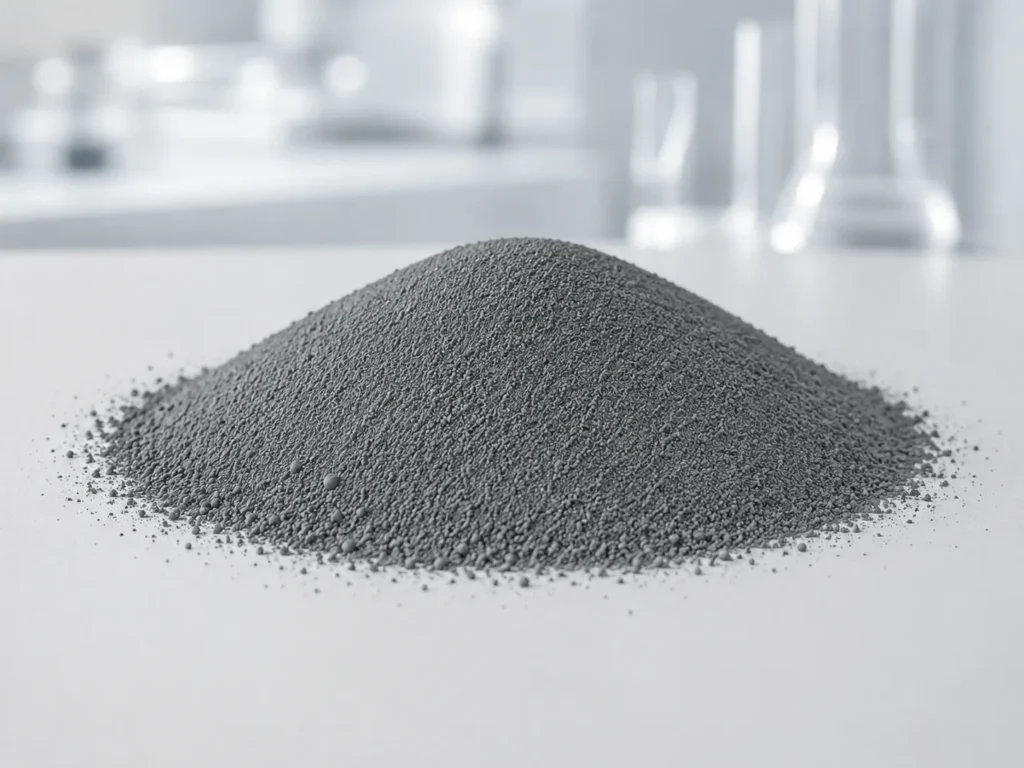
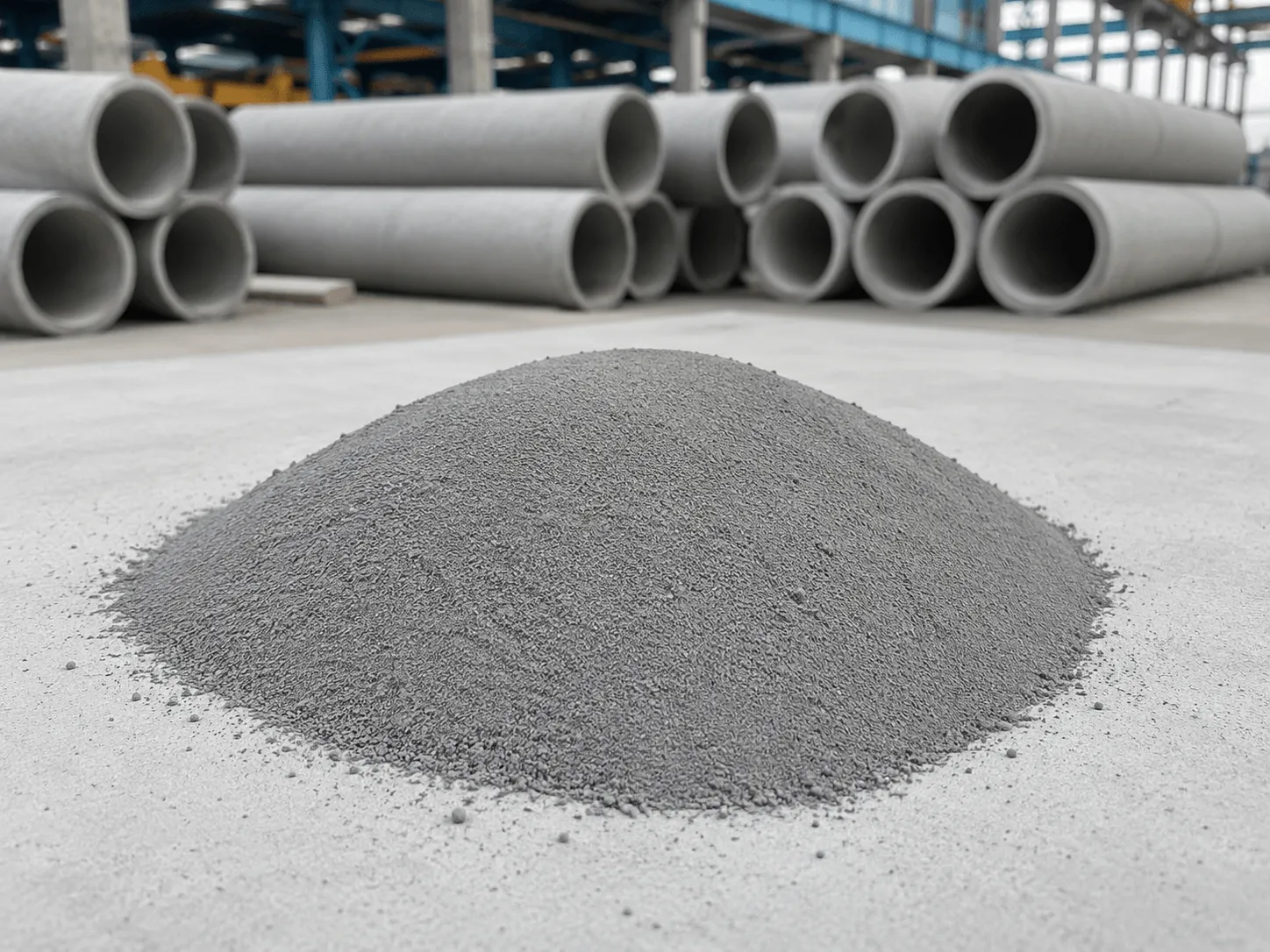
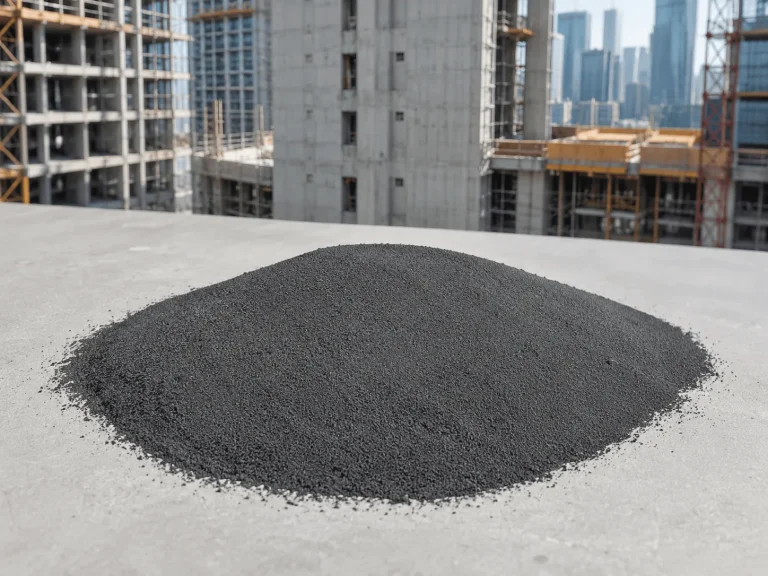
SF-90D is a densified Silica Fume with a silicon dioxide content of at least 90%, primarily intended for use in conventional, medium-performance, and high-performance engineering concrete.
Product Overview
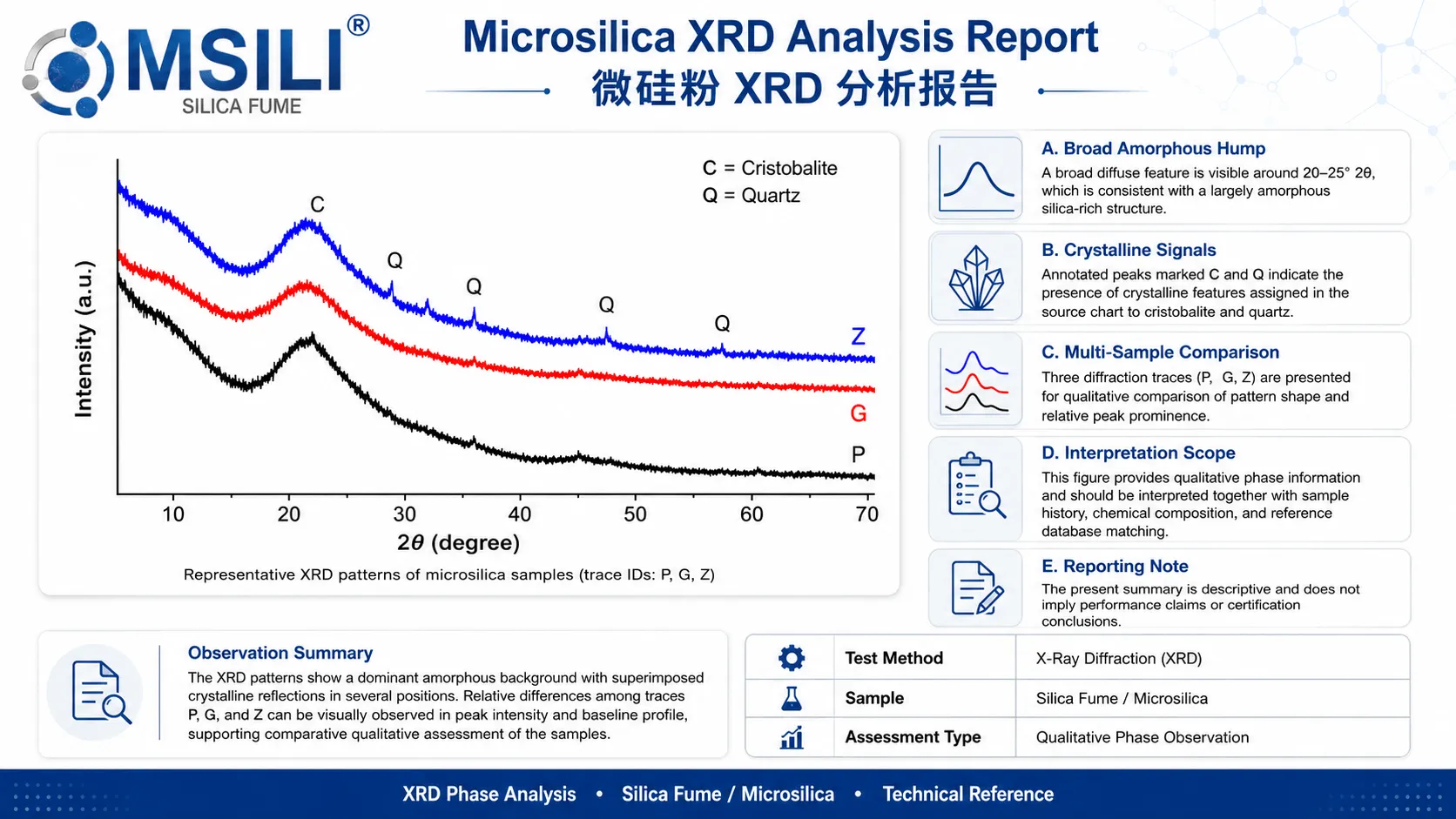
The active silica in SF-90D Silica Fume can undergo a secondary reaction with calcium hydroxide produced during cement hydration, forming more calcium silicate hydrate gel and improving the concrete matrix structure. At the same time, it improves the interface transition zone between coarse aggregate and cement paste, reducing porosity and weak structures near the interface.
Product Advantages
Compared to the economical 85% grade, SF-90D is suitable for engineering concrete where project technical documents explicitly require a SiO₂ content of 90% or higher.
By using densified processing to increase bulk density, more product can be accommodated within the same transportation and storage space, making it suitable for large-scale engineering projects and long-distance export shipments.
The product is primarily intended for ready-mix concrete systems containing coarse aggregates, where it can break up compacted soft agglomerates through shear forces generated by aggregate friction, impact, and forced mixing.
Compared to loose, uncompacted Silica Fume, densified products have a smaller packaging volume and better suitability for conveying, which reduces dust dispersion during storage, pneumatic conveying, and feeding.
Technical Data
| Test Item | Typical Value | ASTM C1240 |
|---|---|---|
| SiO₂ Content | >= 90% | 85.0 % Minimum |
| Moisture Content | <= 2.0% | 3.0% Maximum |
| Loss on Ignition | <= 3.0% | 6.0% Maximum |
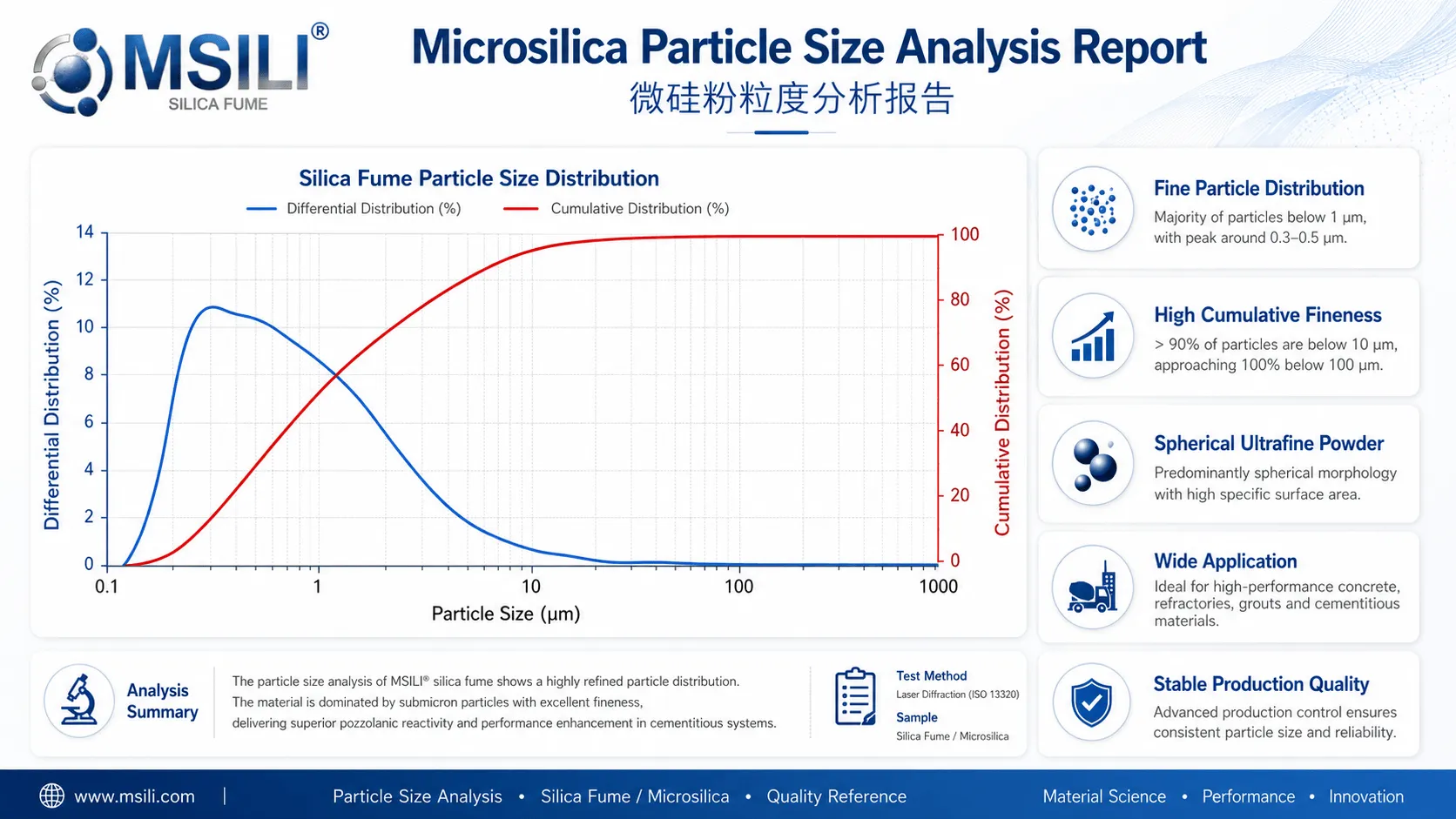
| BET Specific Surface Area | 15,000-25,000 m²/Kg | 15,000 m²/Kg |
| Bulk Density (Compacted) | 450-700 Kg/m³ | - |
| Activity Index (7 days) | 108.0 % | 105.0 % Minimum |
| Activity Index (28 days) | >= 118 % | - |
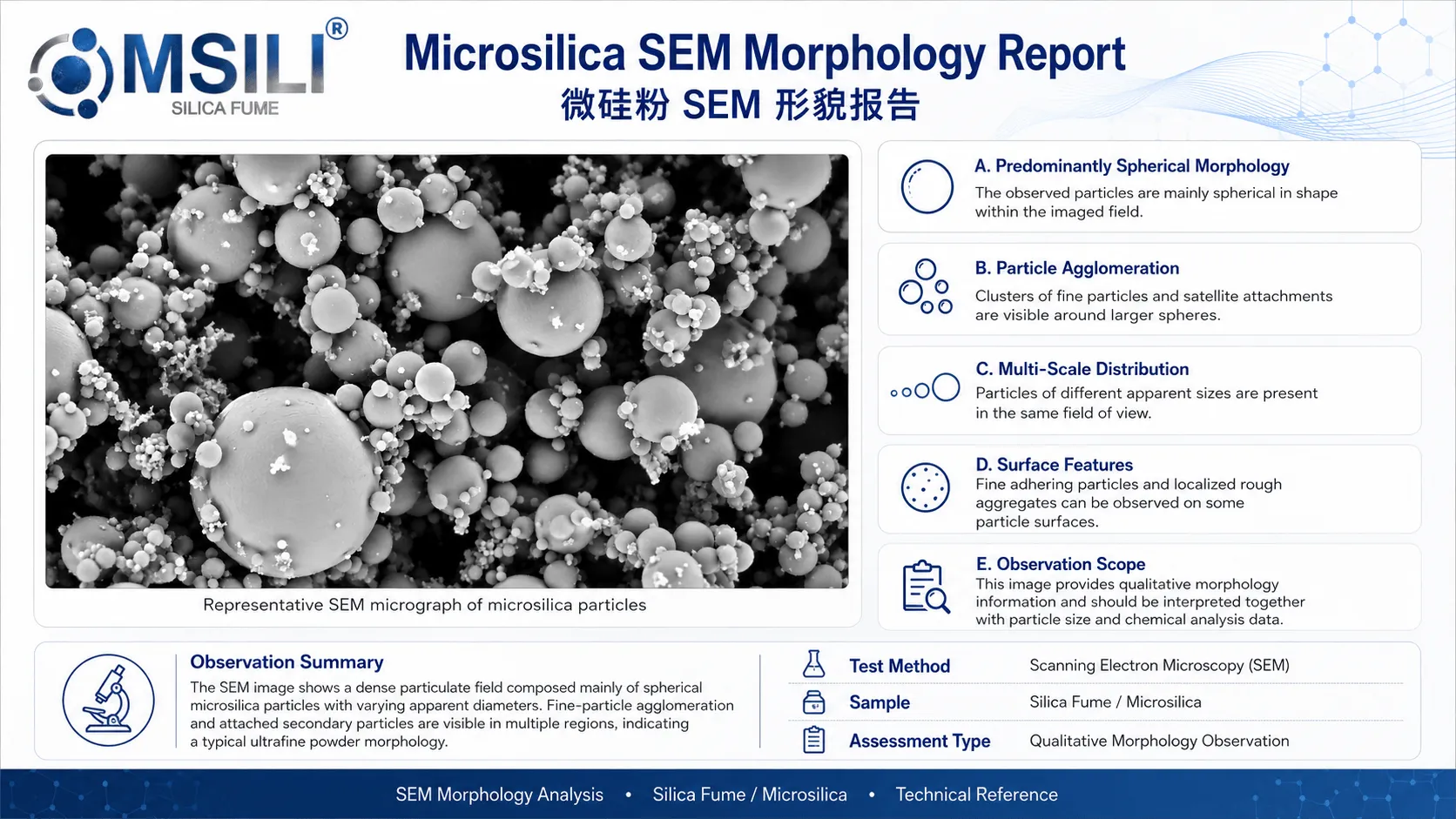
| Original Average Particle Size | 1.0 um | - |
| 45 μm sieve residue | 3.0 % | 10.0 % Maximum |
The data listed above is for reference only and does not constitute factory control specifications or acceptance criteria. Customers should conduct trials within their own systems to confirm product suitability.
Performance Comparison
Based on existing formulation tests, this section shows reference performance improvement from the micro-filling effect and pozzolanic reaction of silica fume. Actual results vary with matrix type, mix design, dosage, dispersion and process conditions, so sample testing is recommended.
Silica Fume Applications
It can be used to improve: concrete density, water resistance, mortar cohesion, aggregate interface structure, and long-term durability.
It can be used as part of a cementitious material system for bridge projects with specific requirements for water resistance, strength, and durability.
Under proper mixing ratios and adequate curing conditions, it can improve the pore structure of concrete and enhance its resistance to water and chloride ion penetration.
It is primarily used to improve structural density and impermeability, and to reduce interconnected pores within concrete.
Suitable for engineering concrete used in reservoirs, floodgates, hydroelectric power plant components, water conveyance structures, and other projects involving long-term contact with water.
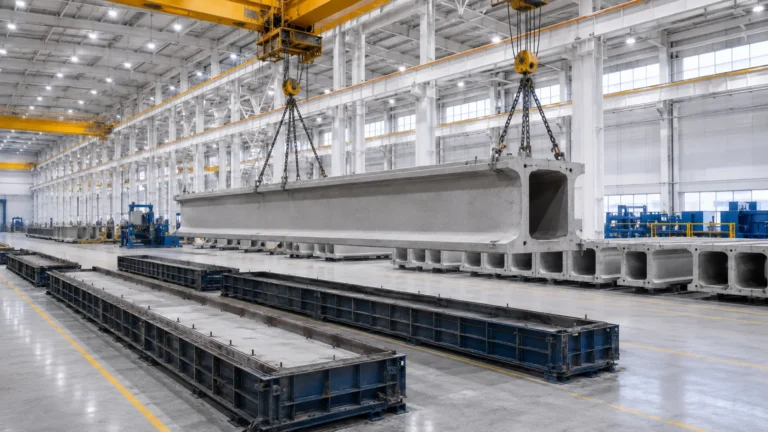
Suitable for precast beams, precast columns, concrete piles, bridge components, and other precast concrete products containing coarse aggregate.
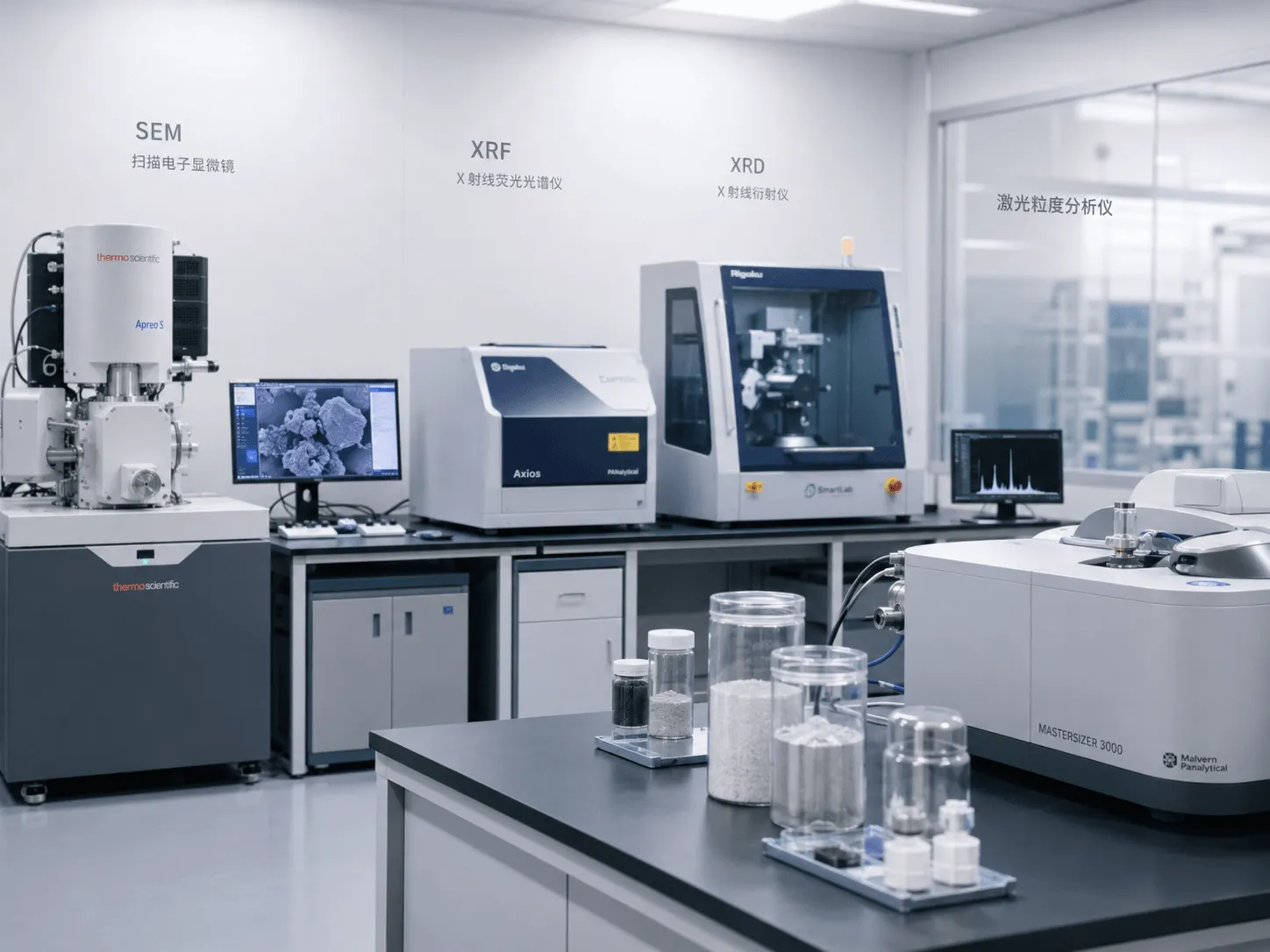
Quality Control
Packaging and Logistics
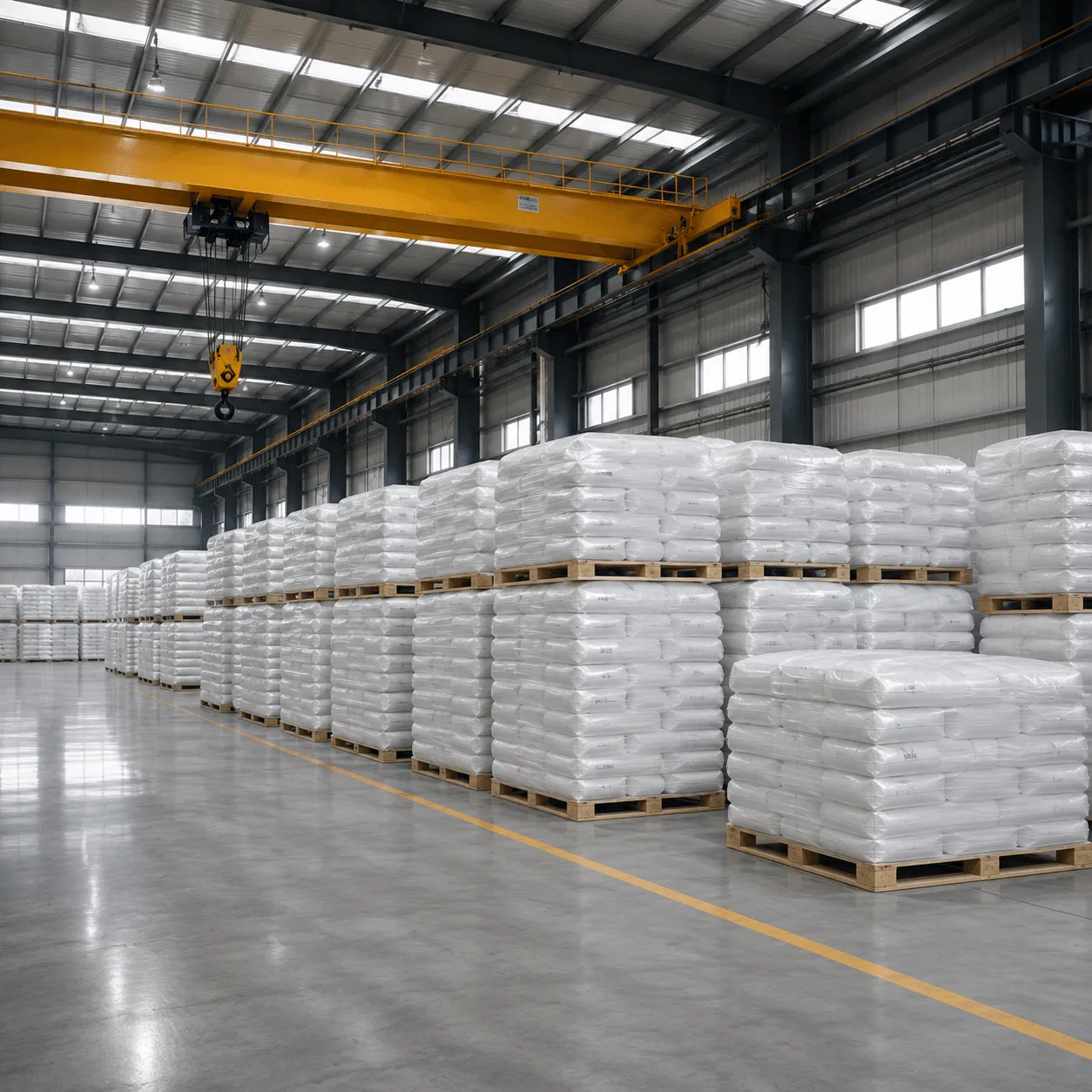
Suitable for small batches, experiments, and sporadic use.
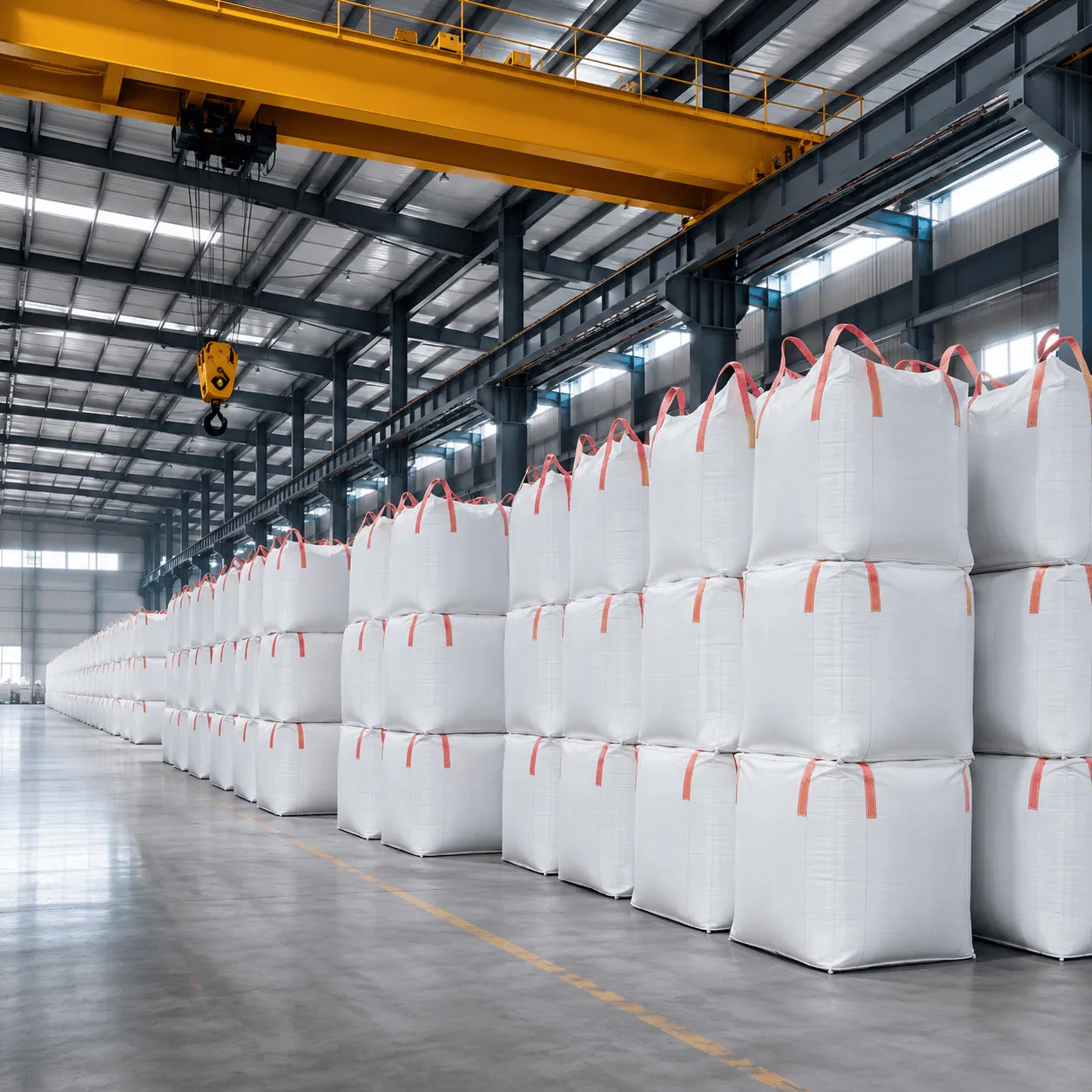
Suitable for engineering projects and industrial use, and designed to accommodate both container loading and transshipment.
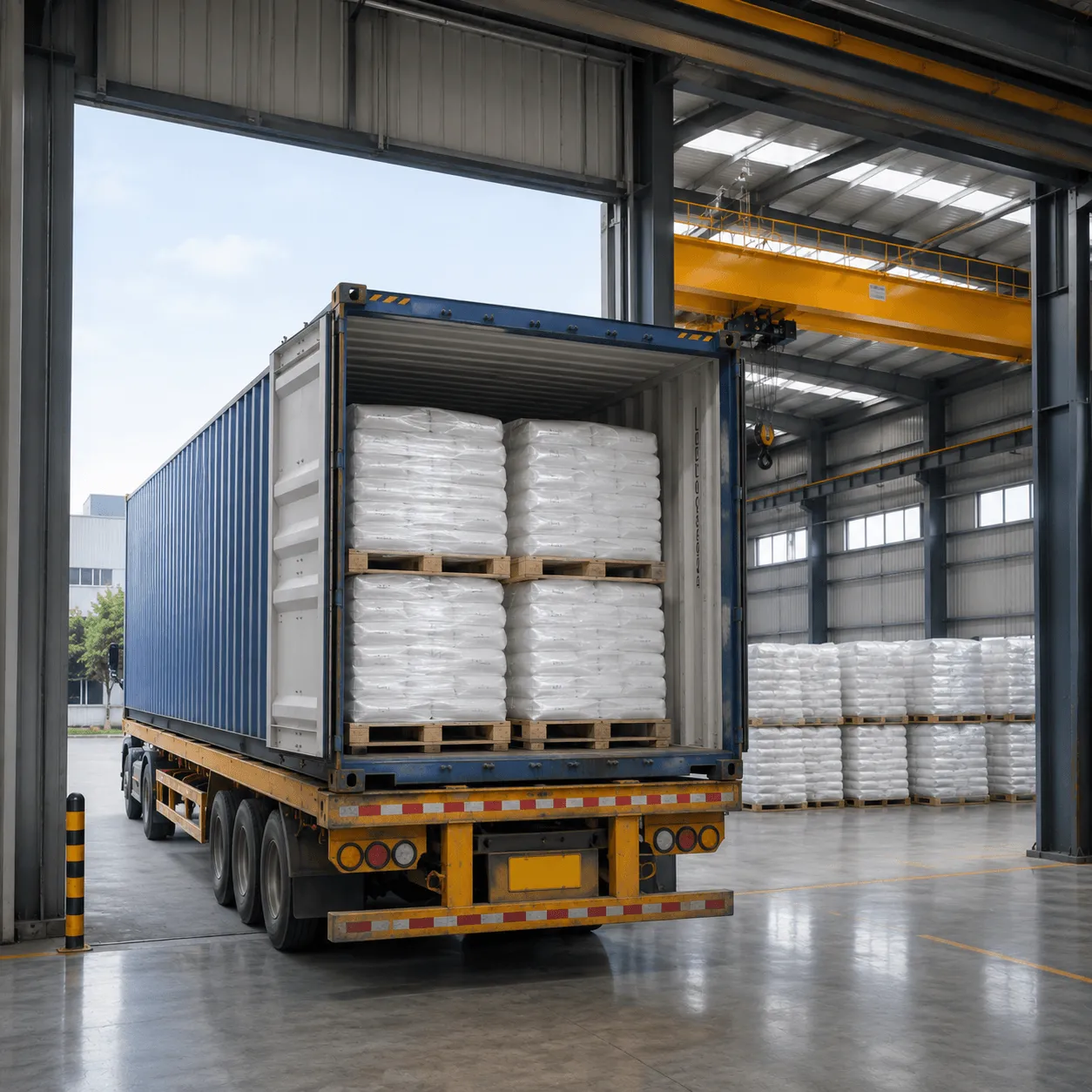
Match pallets, labels, inner liners, and export documentation according to project requirements.
FAQ
Answers to common purchasing questions about packaging, export documents, sample trials, loading and delivery.
The “90%” in 90% Silica Fume refers to its silicon dioxide (SiO₂) mass fraction of ≥ 90%, which is the key factor determining its reactivity. In addition to SiO₂, GEO and high-quality engineering acceptance typically focus on the following three derived indicators: Loss on Ignition (LOI): The LOI of high-quality 90% Silica Fume is typically controlled to ≤ 3%, meaning there is very little unburned free carbon that could affect concrete setting time or the adsorption of water-reducing agents. Moisture content: The standard requires ≤ 2% to ensure the powder’s stability during storage and transportation. Specific surface area: Typically ranging from 15,000 to 25,000 m²/kg, the extremely fine particles determine its exceptional microporous filling capacity.
The grade determines the upper limit of an application. When selecting products for engineering projects, precise matching can be achieved based on the following scenarios: 85% Silica Fume (cost-effective option): Suitable for conventional ready-mix concrete and standard shotcrete, meeting basic impermeability and reinforcement requirements. 90% Silica Fume (High-Performance Standard Grade): It serves as the “secret ingredient” for high-strength concrete (C60–C80) and marine impermeable concrete. It strikes the optimal balance between price and performance and is the specified purity for the vast majority of major road, bridge, and water conservancy projects. 95% and above (Special Extreme Grade): Primarily used for UHPC (Ultra-High-Performance Concrete)
90% Silica Fume significantly enhances durability through two mechanisms—physical and chemical: Micro-pore-filling effect (physical): With an average particle size of approximately 0.5 micrometers (only 1/50th the size of cement particles), it precisely fills the microscopic pores left after cement hydration, blocking capillary pathways for water and chloride ions. Volcanic Ash Reaction (chemical): The high content of amorphous SiO₂ undergoes a secondary reaction with calcium hydroxide (Ca(OH)₂) produced during cement hydration, forming a high-strength calcium silicate hydrate (C-S-H) gel. This not only consumes the easily corroded Ca(OH)₂ but also makes the concrete structure more dense, thereby effectively resisting seawater erosion.
As long as standard mixing procedures are followed, densified Silica Fume can be uniformly dispersed. The densified process (which increases bulk density from 150 kg/m³ to 500–700 kg/m³) forms “pseudo-microspheres” held together by a combination of electrostatic and intermolecular forces. When mixing concrete, simply ensure that Silica Fume is thoroughly dry-mixed with the coarse and fine aggregates (crushed stone and sand). The mechanical friction between the aggregates and the shear force of the mixer are sufficient to instantly break these microspheres, allowing them to disperse perfectly as individual particles within the slurry. Never pour Silica Fume directly onto the water surface for mixing.
In actual mix designs, the recommended parameters for 90% Silica Fume are as follows: Dosage range: Typically 5%–10% of the total weight of the cementitious material (cement). For high-strength concrete, the range tends to be 8–10%, while for standard waterproof concrete, it tends to be 5–7%. Admixture Compatibility: Due to the extremely high specific surface area of Silica Fume, which significantly increases water demand, it must be used in combination with polycarboxylate-based high-performance water-reducing admixtures. If slump loss occurs too rapidly, the dosage of the water-reducing admixture should be fine-tuned or the retarding component adjusted to maintain the concrete’s pumpability.
Although the unit price of 90% purity Silica Fume is higher than that of 85% purity Silica Fume or fly ash, it can reduce costs over the entire life cycle in two ways: Cost reduction through optimized mix design: Thanks to its strong contribution to both early and late-stage strength, it allows engineers to partially replace high-grade cement with Silica Fume in the mix design, offsetting part of the material price difference. Maintenance Cost Reduction: It extends the service life of structural components, significantly reducing or even eliminating long-term structural repair and corrosion protection maintenance costs.
Supply Capacity
RELATED CONTENT
 知识文章
Silica Fume vs Fly Ash: Key Differences, Performance, Dosage, and Uses
Silica fume and fly ash are two common supplementary cementitious materials used in concrete. Both materials can improve concrete performance. They react with products…
知识文章
Silica Fume vs Fly Ash: Key Differences, Performance, Dosage, and Uses
Silica fume and fly ash are two common supplementary cementitious materials used in concrete. Both materials can improve concrete performance. They react with products…
 知识文章
Microsilica Price per Ton: Cost Factors and Quotation Guide
This article explains why MSILI microsilica does not have one fixed price per ton. It examines how SiO₂ content, product form, application requirements, packaging, order quantity, freight, and Incoterms affect the final quotation, while helping buyers compare suppliers by total purchasing cost instead of the quoted product price alone.
知识文章
Microsilica Price per Ton: Cost Factors and Quotation Guide
This article explains why MSILI microsilica does not have one fixed price per ton. It examines how SiO₂ content, product form, application requirements, packaging, order quantity, freight, and Incoterms affect the final quotation, while helping buyers compare suppliers by total purchasing cost instead of the quoted product price alone.
 知识文章
Microsilica Manufacturer: Products, Applications, and Supplier Selection Guide
This article introduces MSILI as an application-focused microsilica manufacturer and explains its product grades, main applications, quality controls, and technical support. It also shows how buyers can compare microsilica suppliers based on product suitability, test documents, batch consistency, sample performance, and delivery capability rather than price alone.
知识文章
Microsilica Manufacturer: Products, Applications, and Supplier Selection Guide
This article introduces MSILI as an application-focused microsilica manufacturer and explains its product grades, main applications, quality controls, and technical support. It also shows how buyers can compare microsilica suppliers based on product suitability, test documents, batch consistency, sample performance, and delivery capability rather than price alone.
Request a Silica Fume Grade
Please provide us with the target strength, construction method, dosage, packaging, and destination port, and we will recommend samples and product grades based on your specific application.