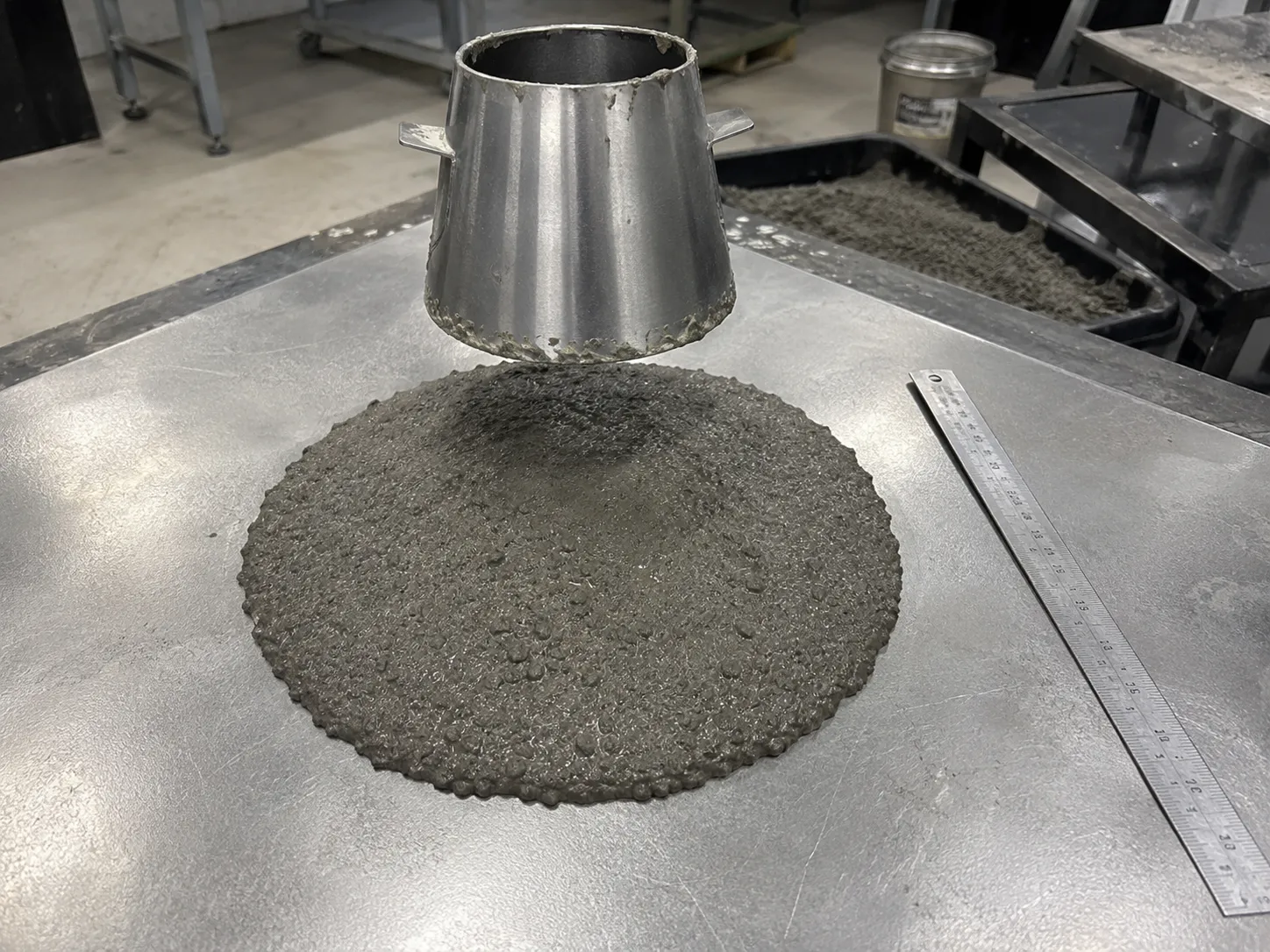
Key Answer
What this article covers
Silica fume can improve refractory castable flowability by optimizing particle packing and reducing water demand. However, its actual performance depends heavily on dispersion, agglomeration, and compatibility with deflocculants.
Start from the application target, then match SiO2, moisture, LOI, bulk density and fineness.
Performance depends on formula, dosage, dispersion and site process, so sample testing is recommended.
For purchasing, check batch stability, COA support, packaging and long-term supply capability.
Engineers often associate silica fume with higher density, greater mechanical strength, and better erosion resistance.
However, silica fume also plays an important role in controlling the flowability of many refractory castables.
Silica Fume Improves Particle Packing
The main mechanism involves particle-size distribution and particle packing.
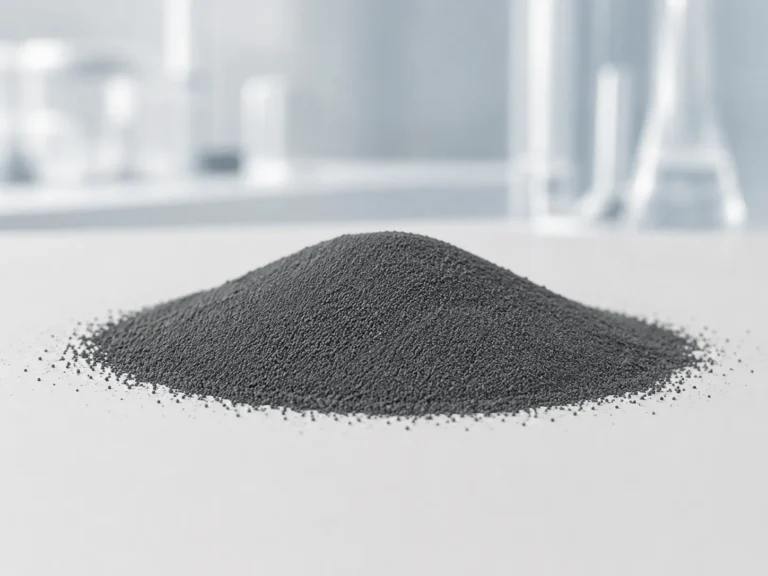
Silica fume particles are much finer than most refractory raw materials. In a well-designed formulation, these ultrafine particles fill the voids between larger particles such as alumina, silicon carbide, and calcium aluminate cement.
This filling effect improves the packing efficiency of the entire particle system. As a result, the wet castable can move more smoothly during mixing, casting, and placement.
Better Packing Helps Reduce Water Demand
Efficient particle packing can also reduce the amount of mixing water needed to achieve the required flow.
Adding more water may make a refractory castable appear easier to install. However, the water evaporates during drying and leaves additional pores inside the material.
These pores can reduce density, mechanical strength, erosion resistance, and overall service performance.
Properly dispersed silica fume helps the castable maintain good flowability without excessive water addition. This allows manufacturers to produce a denser and more uniform refractory structure.
Silica Fume Does Not Always Improve Flowability
Silica fume does not automatically produce better flow.
Severe agglomeration can increase mix viscosity and cause lump formation. Poor compatibility with dispersants or deflocculants can also increase water demand and reduce workability.
For this reason, formulators must evaluate more than the SiO₂ content.
Key Factors That Affect Castable Flow
Several factors determine how silica fume performs in a refractory castable:
- degree of agglomeration;
- bulk density and densification state;
- moisture content;
- carbon content;
- compatibility with dispersants and deflocculants;
- raw-material addition sequence;
- mixing intensity;
- mixing time.
These variables explain why two silica fume grades with similar chemical compositions can produce very different results in the same castable formulation.
Chemical Purity Is Not the Only Selection Criterion
A high SiO₂ content does not always guarantee better castable performance.
Formulators should also evaluate how easily the silica fume disperses, how it affects water demand, and whether the castable maintains stable flow during mixing and placement.
A suitable silica fume grade should support consistent mixing, predictable installation, and a low-water formulation.
What Does Good Flowability Really Mean?
Good flowability does not simply mean making the castable thinner.
A properly flowing refractory castable should:
- move smoothly during placement;
- fill corners and complex spaces completely;
- minimize trapped air and unfilled areas;
- maintain a uniform composition;
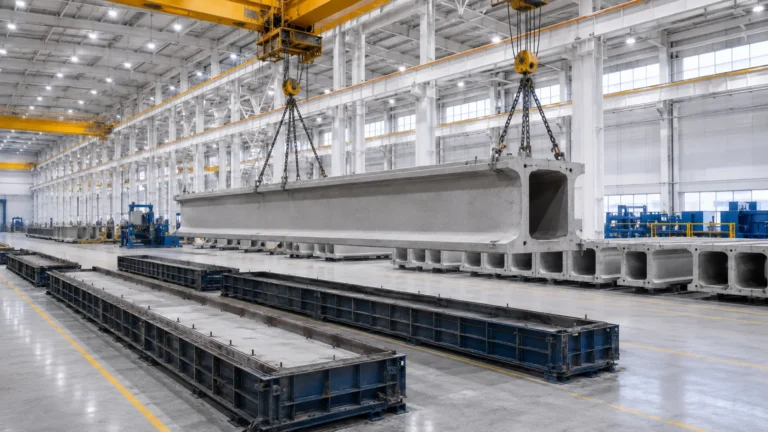
- form a dense refractory lining;
- achieve these results with a low water content.
The right silica fume can improve both installation performance and the final properties of the refractory lining. However, formulators must consider dispersion, compatibility, and particle packing rather than relying on chemical purity alone.