Denser matrix
Fills microvoids and refines particle packing.
Silica fume grade
Undensified Silica Fume
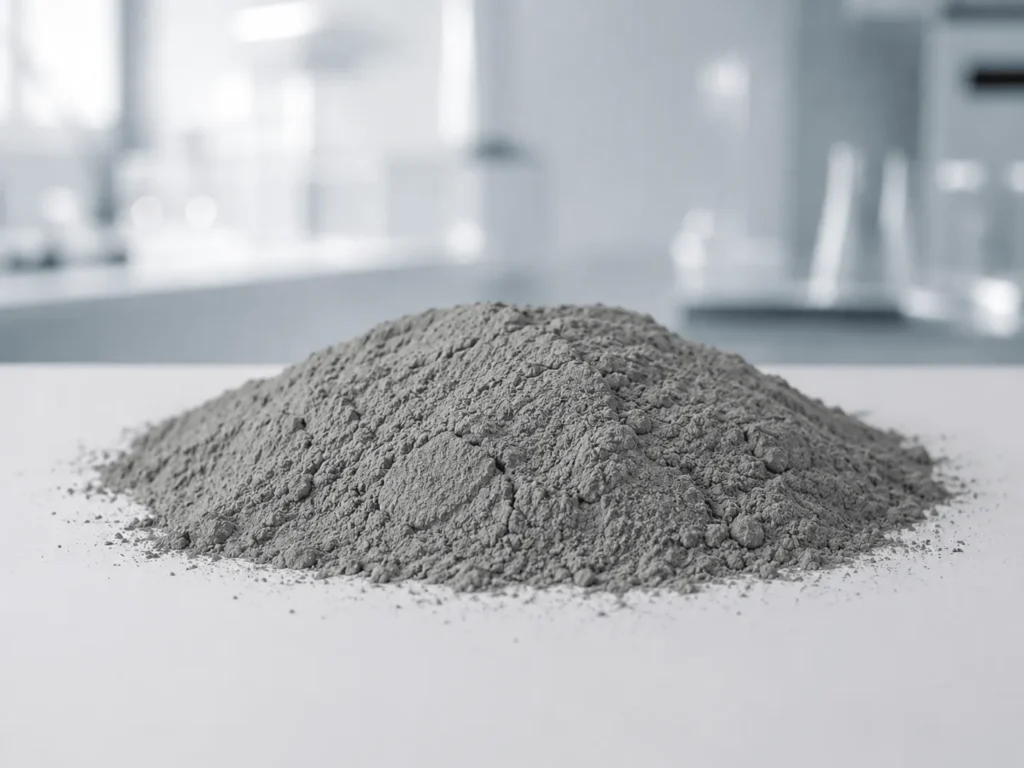
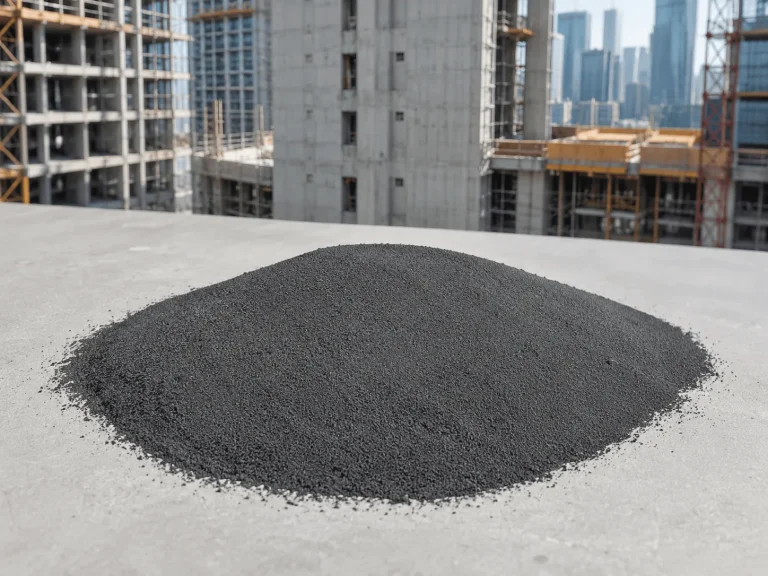
A 92% SiO₂ undensified silica fume engineered for UHPC, precast concrete and low-cement castables. Its controlled agglomeration improves handling and transport while allowing rapid dispersion under normal mixing shear.
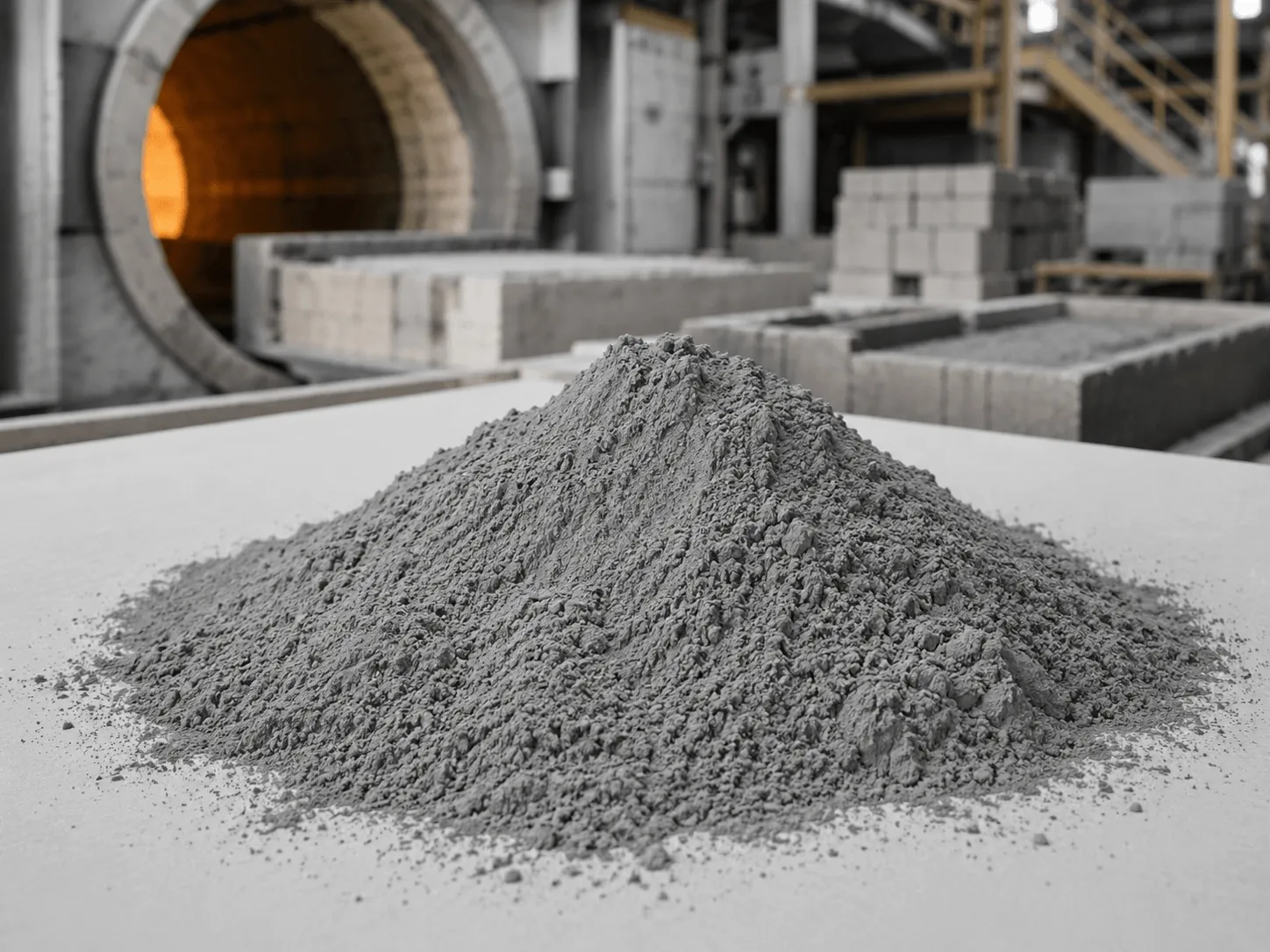
Product Overview
A 92% SiO₂ undensified silica fume engineered for UHPC, precast concrete and low-cement castables. Its controlled agglomeration improves handling and transport while allowing rapid dispersion under normal mixing shear.
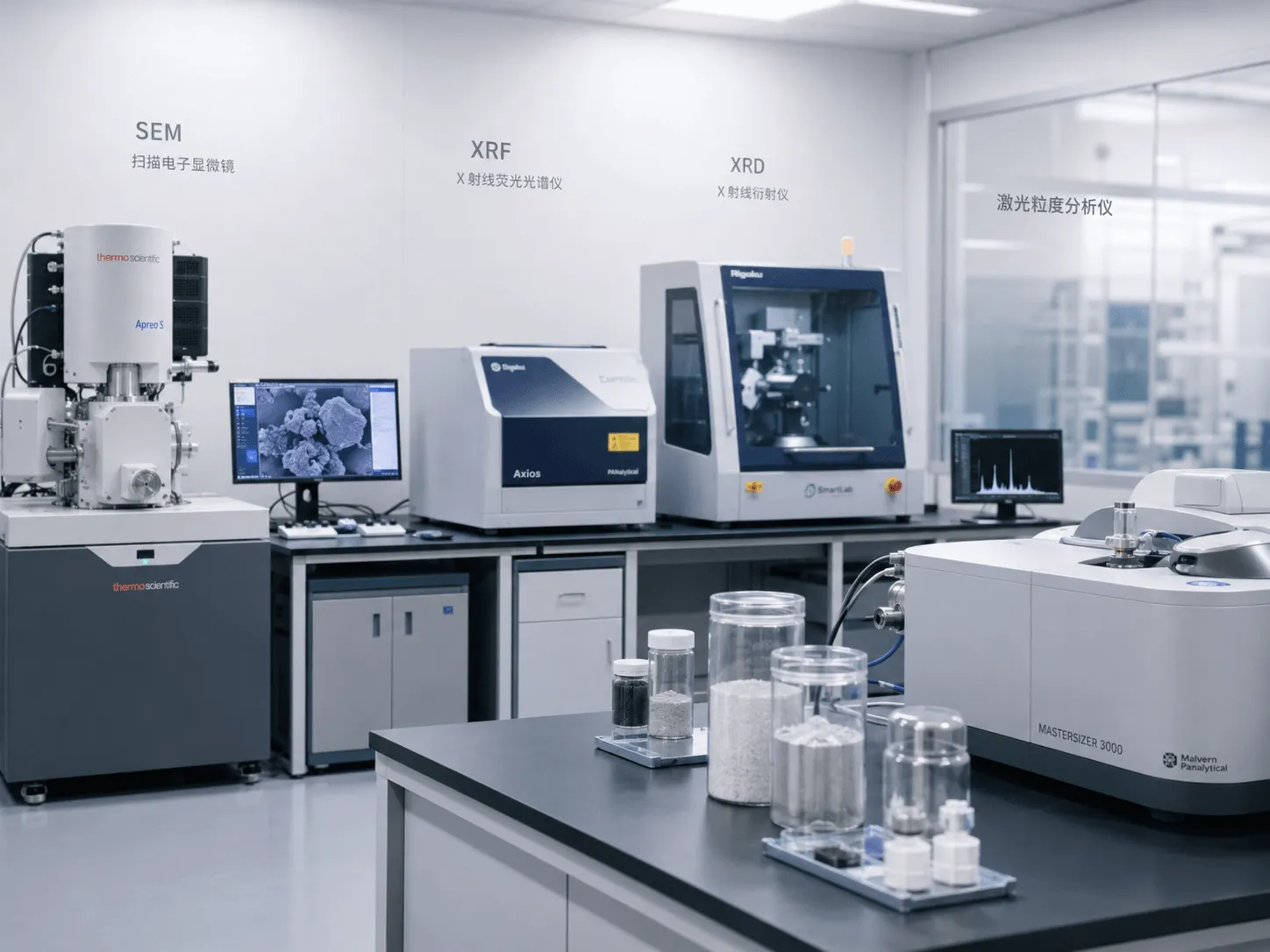
Fine amorphous particles fill capillary voids and support pozzolanic or ceramic bonding. Batch control covers chemistry, moisture, loss on ignition and bulk density (260–400 kg/m³). Ask MSILI to match the grade to your binder, dosage and process before scale-up.
Product Advantages
Fills microvoids and refines particle packing.
Breaks down under normal mechanical shear without chemical binders.
Can improve strength, impermeability and service durability when correctly formulated.
COA-backed lots and packaging options for trials or bulk production.
Technical Data
| Test Item | Typical Value | ASTM C1240 |
|---|---|---|
| SiO₂ Content | >=92% | 85.0 % Minimum |
| Moisture Content | <=2.0% | 3.0% Maximum |
| Loss on Ignition | <=3.0% | 6.0% Maximum |
| Specific Surface Area | 15,000 - 25,000 m²/Kg | 15,000 m²/Kg Minimum |
| Bulk Density | 260 - 400 Kg/m³ | - |
| Activity Index (7 Days) | 115.0 % | 105.0 % Minimum |
| Activity Index (28 Days) | >=120 % | - |
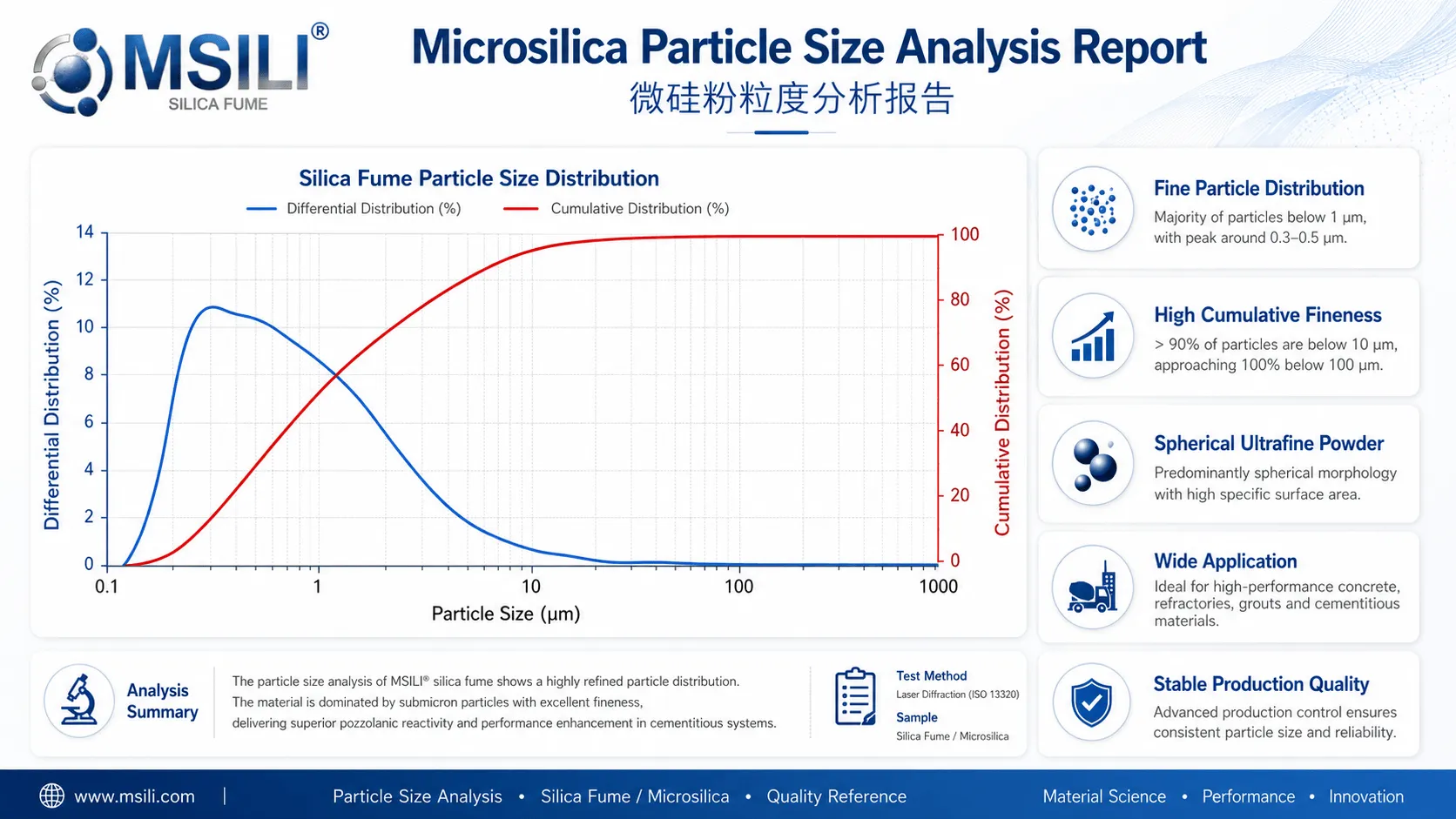
| Average Particle Size | 0.8 um | - |
| 45 µm Sieve Residue | 3.0 % | 10.0 % Maximum |
The data listed above is for reference only and does not constitute factory control specifications or acceptance criteria. Customers should conduct trials within their own systems to confirm product suitability.
Performance Comparison
Based on existing formulation tests, this section shows reference performance improvement from the micro-filling effect and pozzolanic reaction of silica fume. Actual results vary with matrix type, mix design, dosage, dispersion and process conditions, so sample testing is recommended.
Silica Fume Applications
Optimizes particle packing and the interfacial transition zone to support compressive strength, impermeability and long-term structural durability.
Supports flow, matrix densification and high-temperature volume stability in low-cement castable formulations.
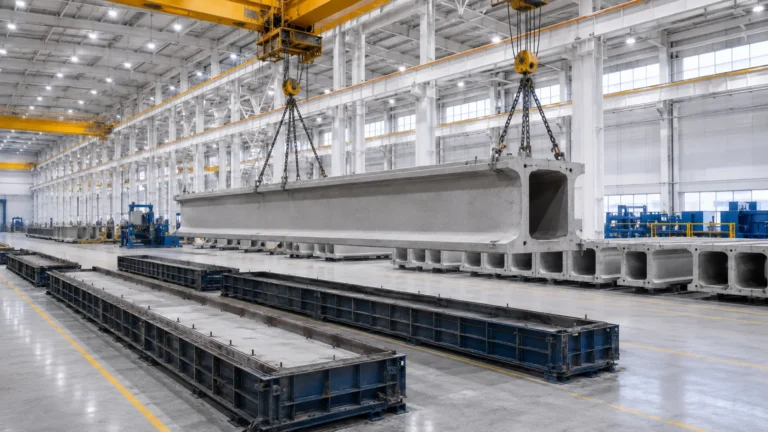
Promotes early- and later-age strength, surface quality and durability in piles, slabs, bridge elements and other precast products.
Improves cohesion, bond performance and crack resistance in repair, waterproofing and specialty mortar systems.
Improves filler packing, dimensional stability and surface finish in polymer concrete, structural adhesives and resin composites.
Supports surface density, abrasion resistance and impermeability in industrial, warehouse and heavy-duty flooring systems.
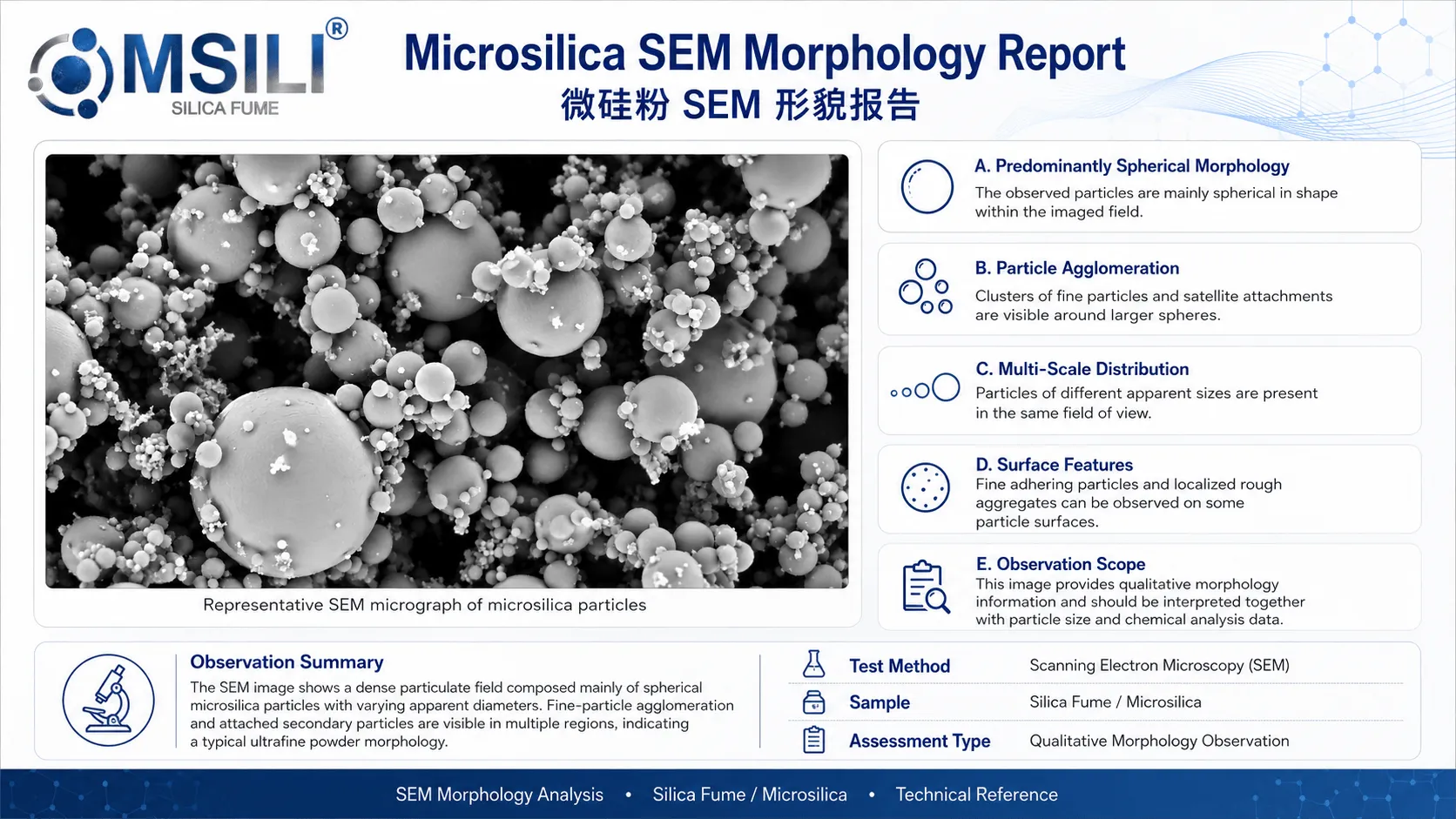
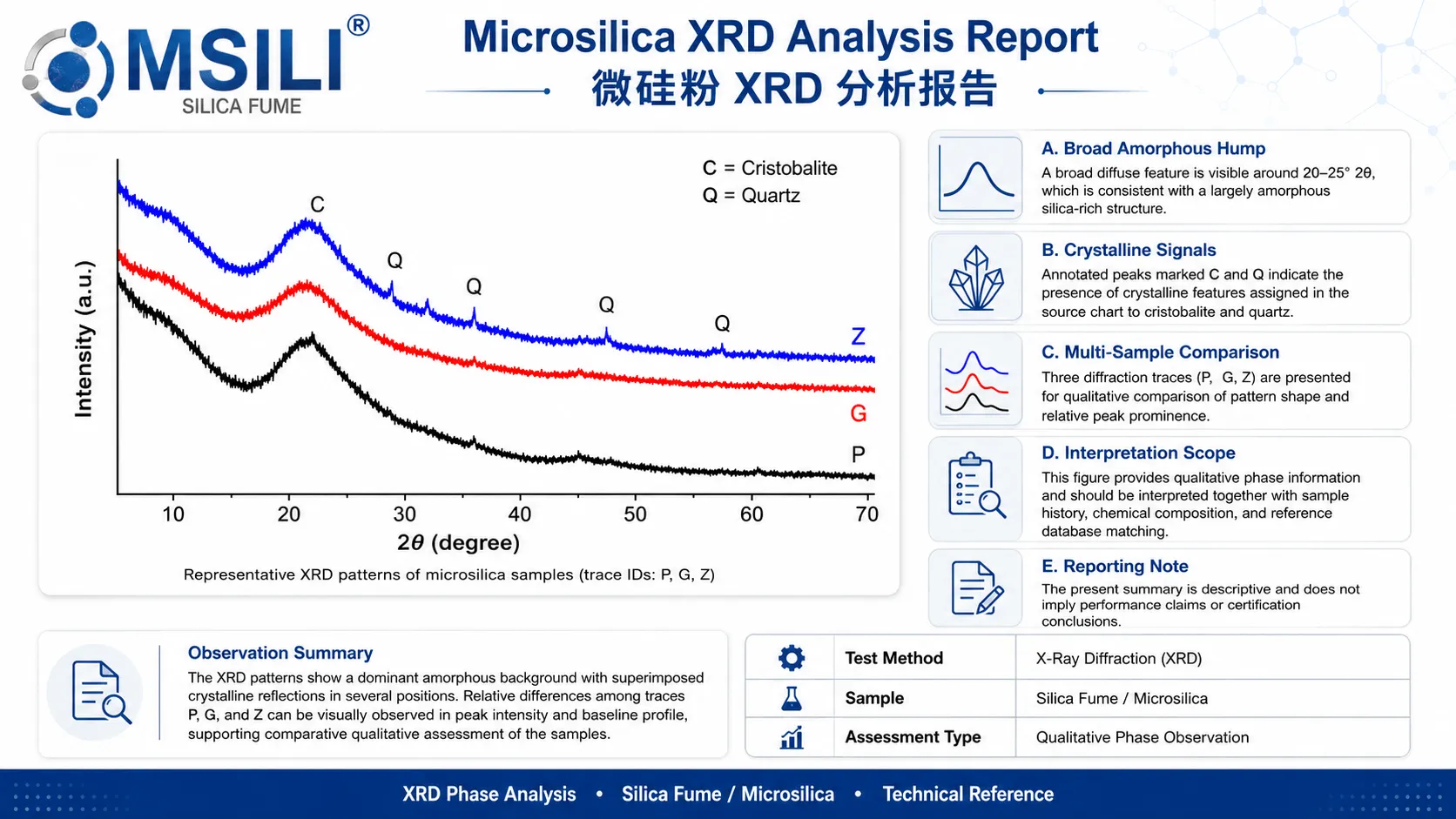
Quality Control
Packaging and Logistics
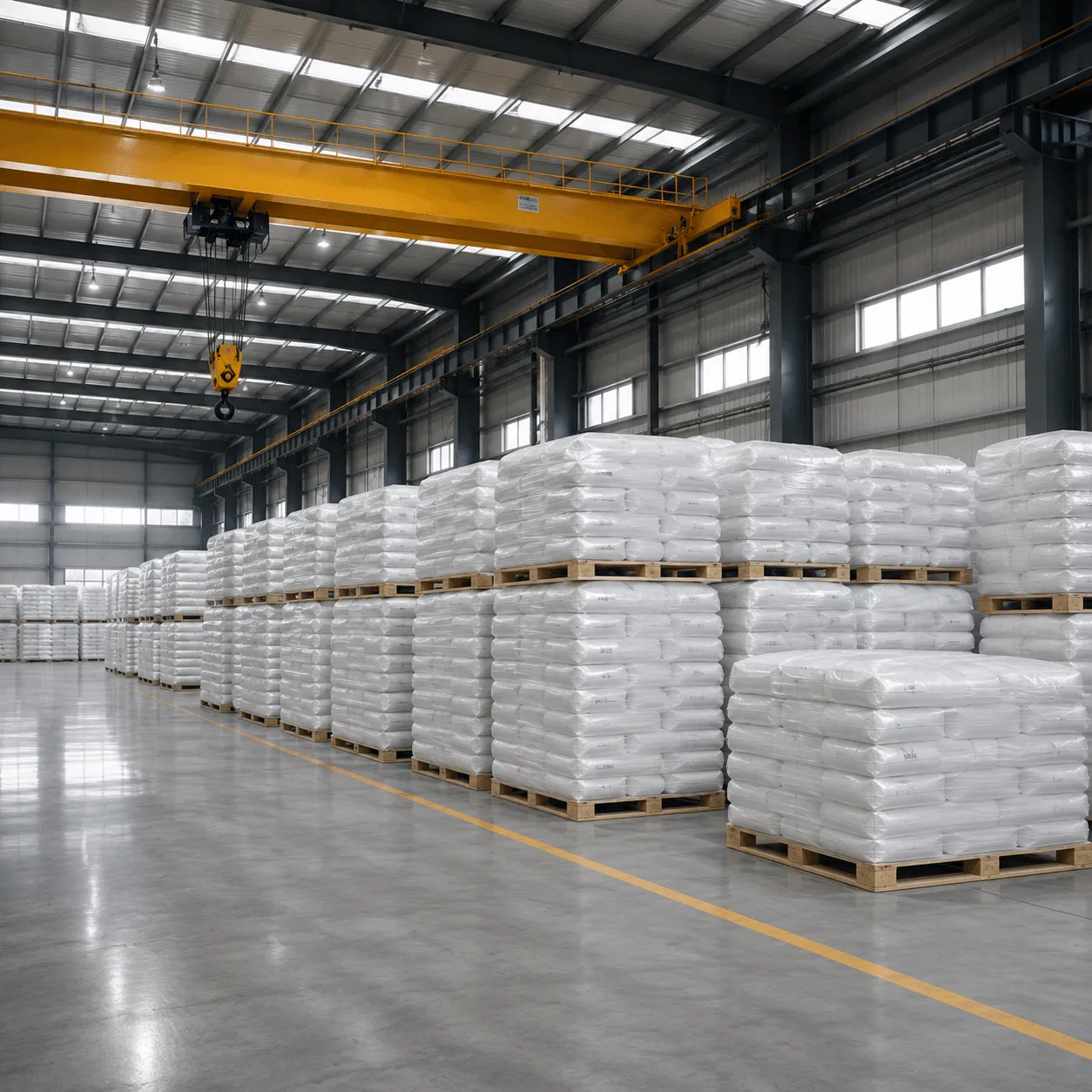
For samples, laboratory trials and controlled manual dosing.
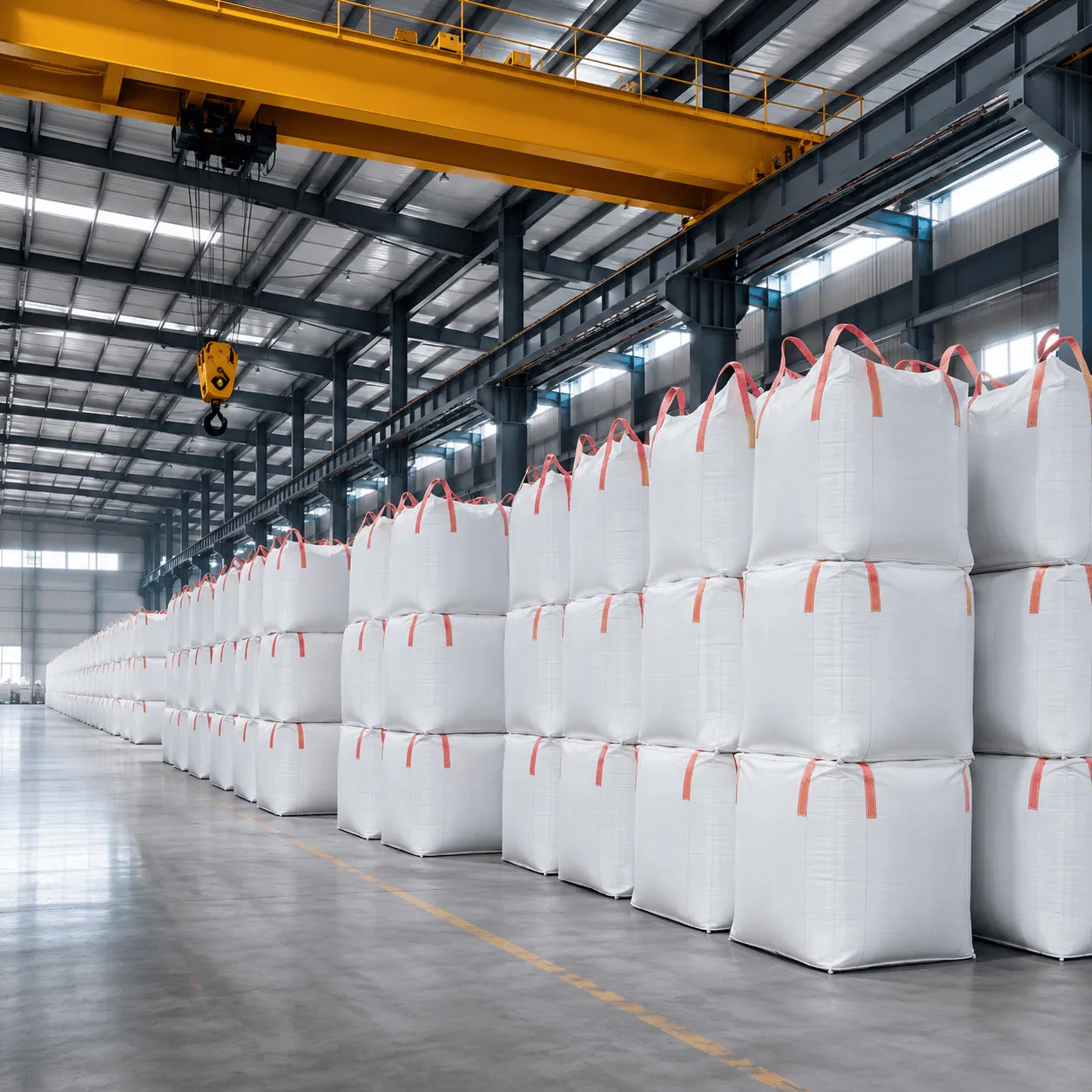
For project use and factory production, with efficient storage and container loading.
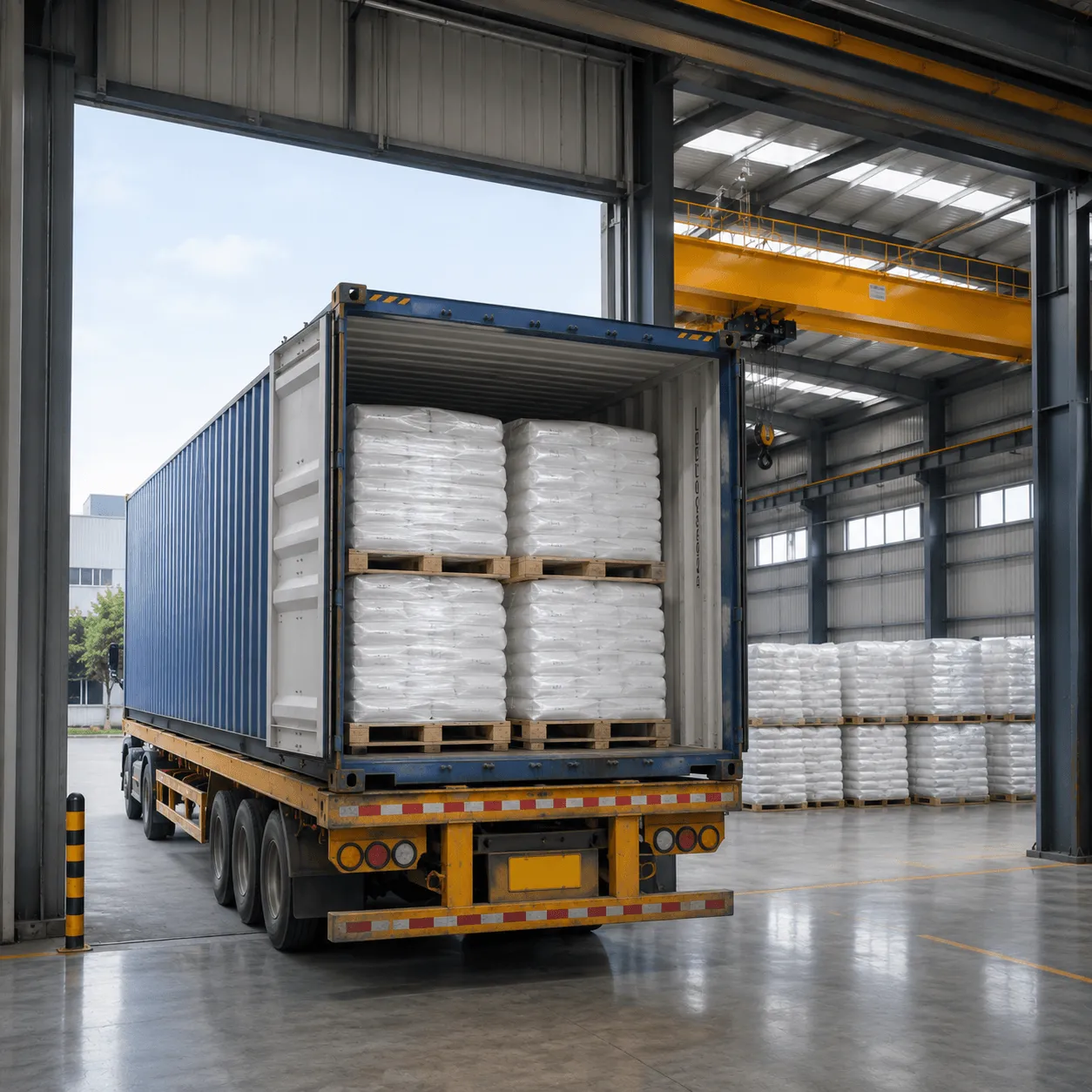
Pallets, liners, marks and documents matched to the route and handling method.
FAQ
Answers to common purchasing questions about packaging, export documents, sample trials, loading and delivery.
The key differences lie in bulk density and transportation efficiency. Unprocessed Silica Fume has a low bulk density (typically 150–240 kg/m³), making the powder lightweight and prone to airborne dispersion. Our 92% undensified Silica Fume has undergone physical densification treatment using specialized equipment, increasing its bulk density to 260–400 kg/m³. This not only significantly reduces transportation and storage costs but also markedly improves flowability during discharge and mixing, prevents the lightweight powder from adhering to container walls, and reduces on-site dust pollution.
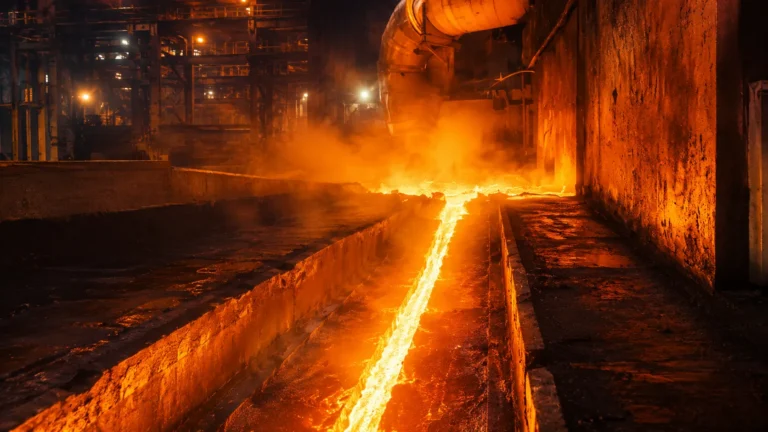
92% Undensified Silica Fume is one of the top choices for conventional refractory castables. In refractory castable systems, it provides excellent filling properties and pozzolanic activity, significantly reducing water content and improving density. This enables it to maintain exceptional thermal stability and structural integrity even under conventional high-temperature operating conditions, greatly enhancing the castable’s wear resistance and thermal shock resistance.
No. The undensified process involves purely physical agglomeration, with no chemical binders added. When mixed with water and admixtures (such as water-reducing agents) and mechanically stirred, the agglomerates in Undensified Silica Fume can be reduced to micron-sized particles, restoring its original ultra-high specific surface area and extremely strong pozzolanic activity, without affecting its uniform dispersion in the matrix at all.
The specific dosage depends on your end-use application. Generally, in high-performance material mixes, a dosage of 5% to 10% of the total weight of cementitious materials is recommended. For special formulations requiring exceptional wear resistance, scour resistance, or resistance to extreme high temperatures, the dosage may be appropriately increased to 10% to 15%. We recommend conducting small-scale tests before use to determine the optimal mix design parameters.
Silica Fume with a 92% purity content means fewer impurities (such as carbon, iron, alkali metal oxides, etc.) and a higher proportion of effective silica. In industrial applications sensitive to impurities, this high purity of 92% helps prevent side reactions, provides more stable performance, and imparts higher early strength and excellent long-term durability to the final product, making it the ideal choice for projects seeking high-performance technical specifications.
We offer standardized PP-coated ton bags (typically 500 kg or 600 kg per bag) as well as small-packaged 20 kg and 25 kg coated woven bags to meet the feeding requirements of different production lines. Thanks to the volume efficiency achieved through Undensified processing, we are able to achieve higher loading rates during bulk logistics shipments. At the same time, strict quality control at the factory and moisture-proof packaging design ensure that the product maintains stable performance without degradation during long-distance transportation and storage.
Supply Capacity
RELATED CONTENT
 知识文章
Silica Fume vs Fly Ash: Key Differences, Performance, Dosage, and Uses
Silica fume and fly ash are two common supplementary cementitious materials used in concrete. Both materials can improve concrete performance. They react with products…
知识文章
Silica Fume vs Fly Ash: Key Differences, Performance, Dosage, and Uses
Silica fume and fly ash are two common supplementary cementitious materials used in concrete. Both materials can improve concrete performance. They react with products…
 知识文章
Microsilica Price per Ton: Cost Factors and Quotation Guide
This article explains why MSILI microsilica does not have one fixed price per ton. It examines how SiO₂ content, product form, application requirements, packaging, order quantity, freight, and Incoterms affect the final quotation, while helping buyers compare suppliers by total purchasing cost instead of the quoted product price alone.
知识文章
Microsilica Price per Ton: Cost Factors and Quotation Guide
This article explains why MSILI microsilica does not have one fixed price per ton. It examines how SiO₂ content, product form, application requirements, packaging, order quantity, freight, and Incoterms affect the final quotation, while helping buyers compare suppliers by total purchasing cost instead of the quoted product price alone.
 知识文章
Microsilica Manufacturer: Products, Applications, and Supplier Selection Guide
This article introduces MSILI as an application-focused microsilica manufacturer and explains its product grades, main applications, quality controls, and technical support. It also shows how buyers can compare microsilica suppliers based on product suitability, test documents, batch consistency, sample performance, and delivery capability rather than price alone.
知识文章
Microsilica Manufacturer: Products, Applications, and Supplier Selection Guide
This article introduces MSILI as an application-focused microsilica manufacturer and explains its product grades, main applications, quality controls, and technical support. It also shows how buyers can compare microsilica suppliers based on product suitability, test documents, batch consistency, sample performance, and delivery capability rather than price alone.
Request a Silica Fume Grade
Share your target performance, formulation, dosage, packing preference and destination. We will recommend a grade, sample plan and supporting test data.