High-Purity Silica Components
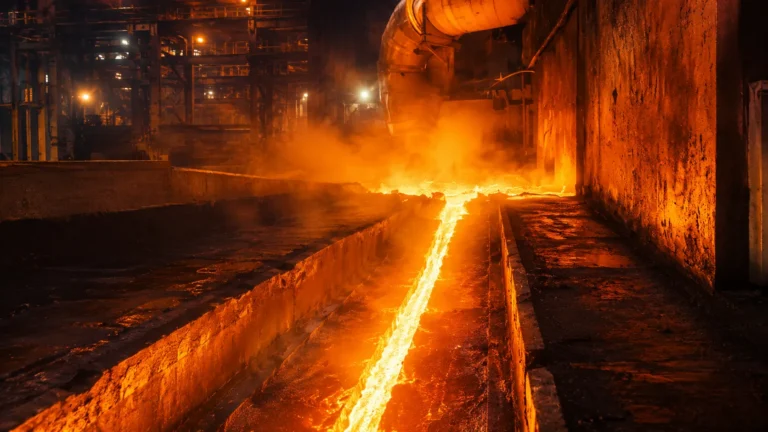
With a SiO₂ content of at least 94%, it provides a higher-grade silica component for systems with low water-to-binder ratios, high-setting materials, and high-performance materials.
Product Details
Densified Silica Fume
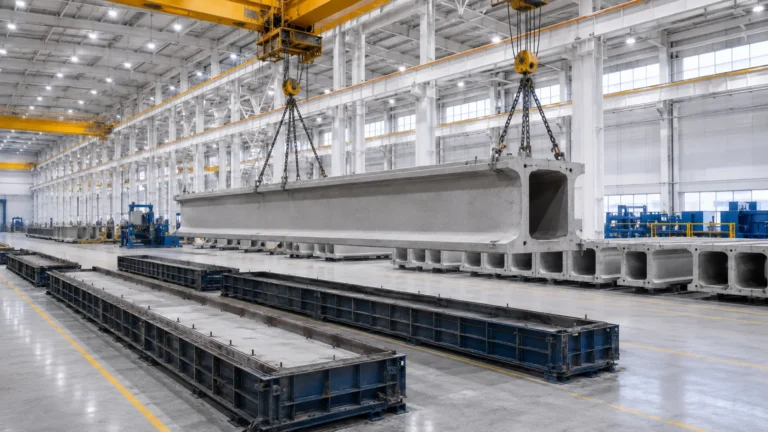
Suitable for material systems with high requirements for raw material purity, formulation stability, and long-term performance, such as UHPC, RPC, high-strength concrete, marine bridges, and high-end precast components.
Product Overview
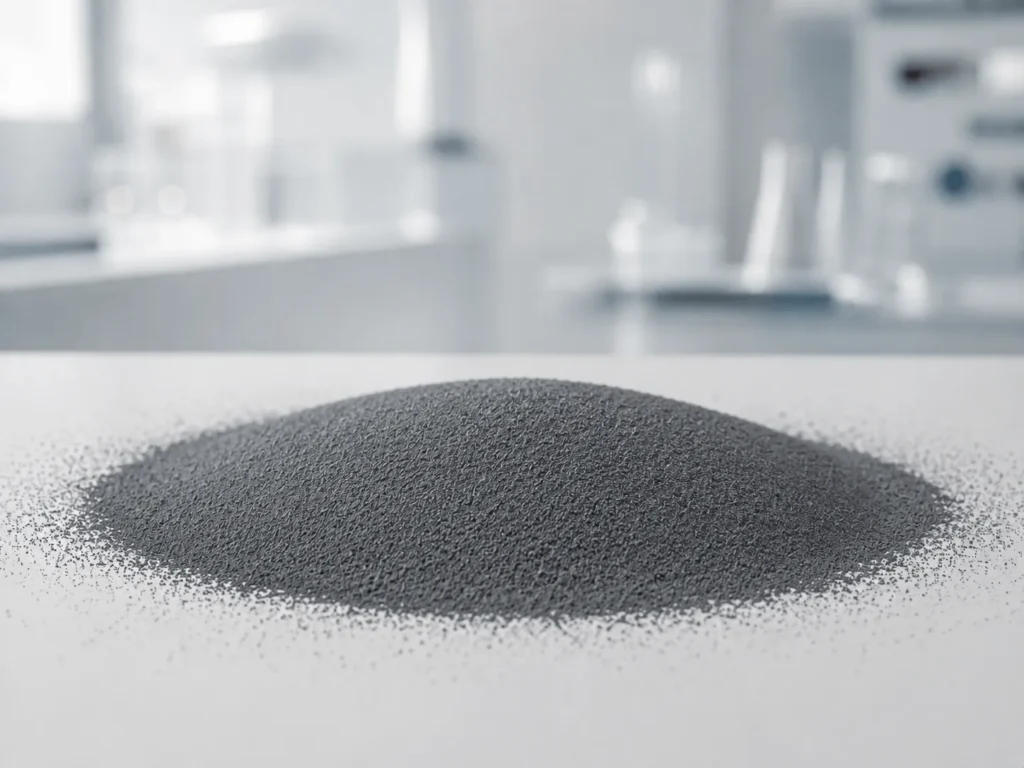
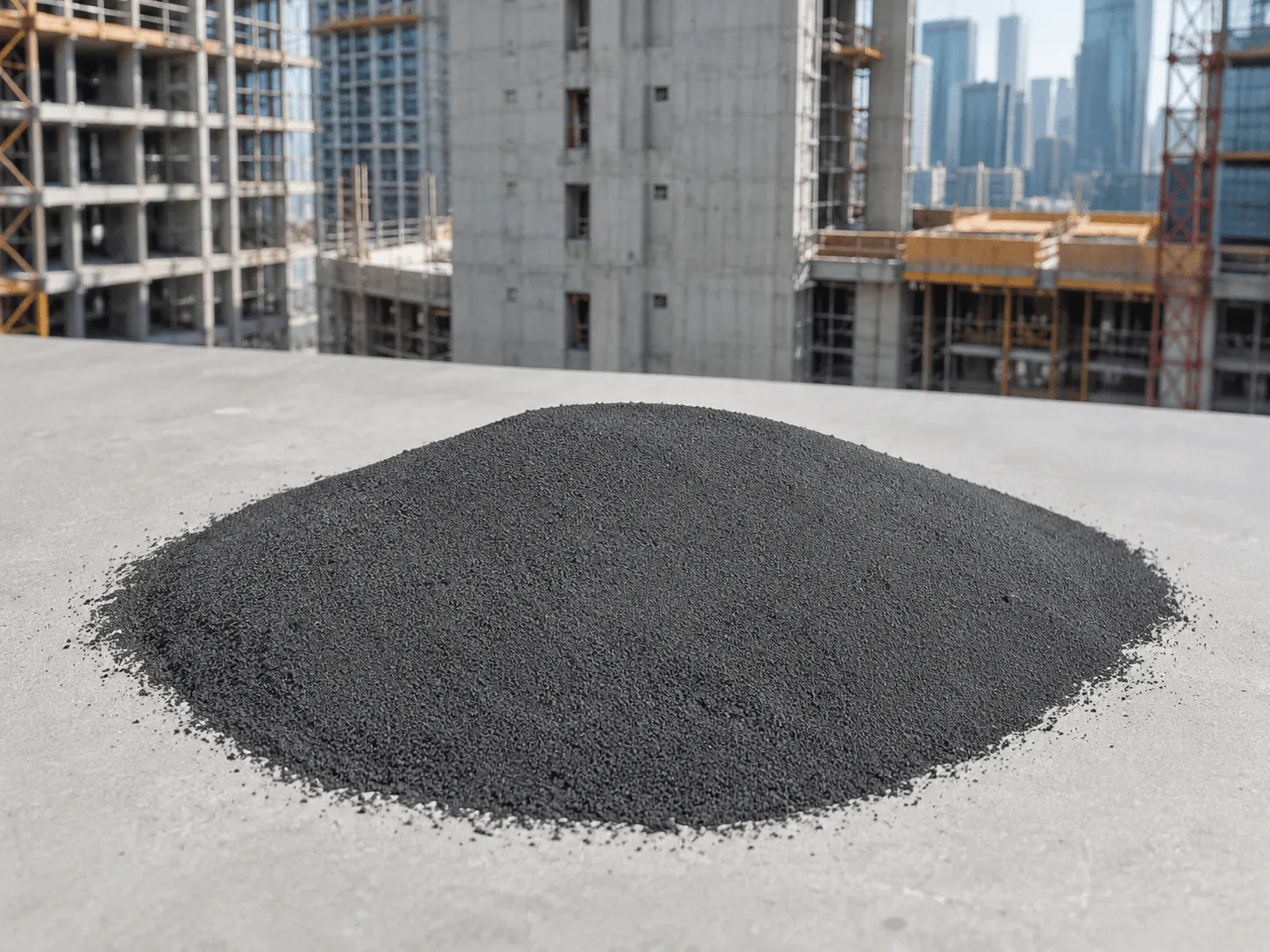
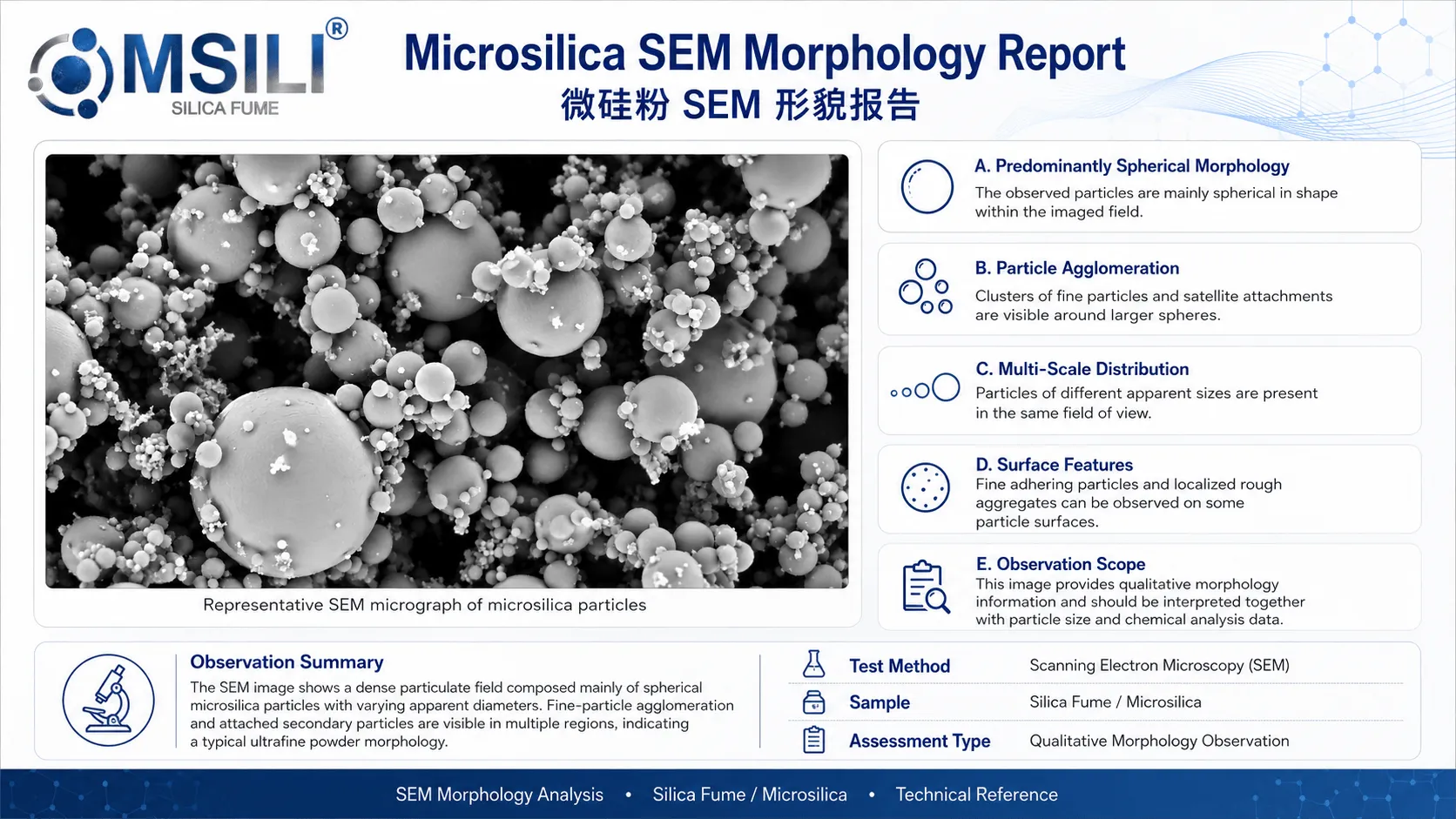
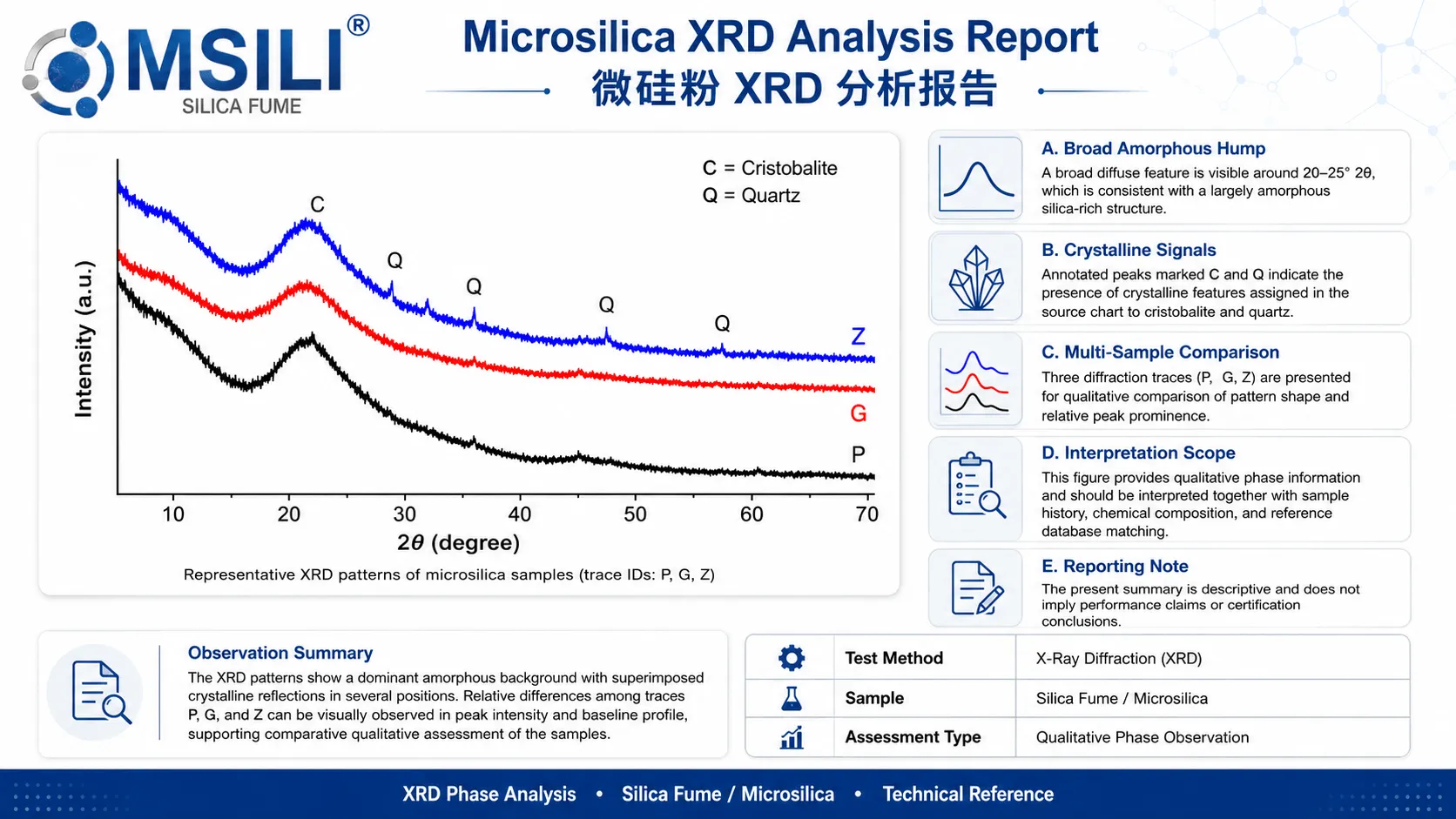
94% Densified Microsilica is an ultrafine mineral material composed primarily of amorphous silicon dioxide. Compared to standard 85%, 90%, and 92% Densified Microsilica, the 94% grade places greater emphasis on raw material purity, impurity control, and batch consistency, making it suitable for high-performance formulations that are more sensitive to material variations.
Product Advantages
With a SiO₂ content of at least 94%, it provides a higher-grade silica component for systems with low water-to-binder ratios, high-setting materials, and high-performance materials.
Control raw material sources, impurities, moisture content, and production fluctuations to minimize the impact of raw material variations on workability, strength, and construction stability.
Suitable for formulation-sensitive applications such as UHPC, high-strength concrete, marine structures, high-end precast components, and concrete projects with stringent requirements.
The densified form has a higher bulk density, which improves space utilization in ton bags, warehouses, and containers, making it suitable for large-scale procurement and export shipments.
Technical Data
| Test Item | Typical Value | ASTM C1240 |
|---|---|---|
| SiO₂ Content | >= 94% | 85.0 % Minimum |
| Moisture Content | <= 2.0% | 3.0% Maximum |
| Loss on Ignition | <= 3.0% | 6.0% Maximum |
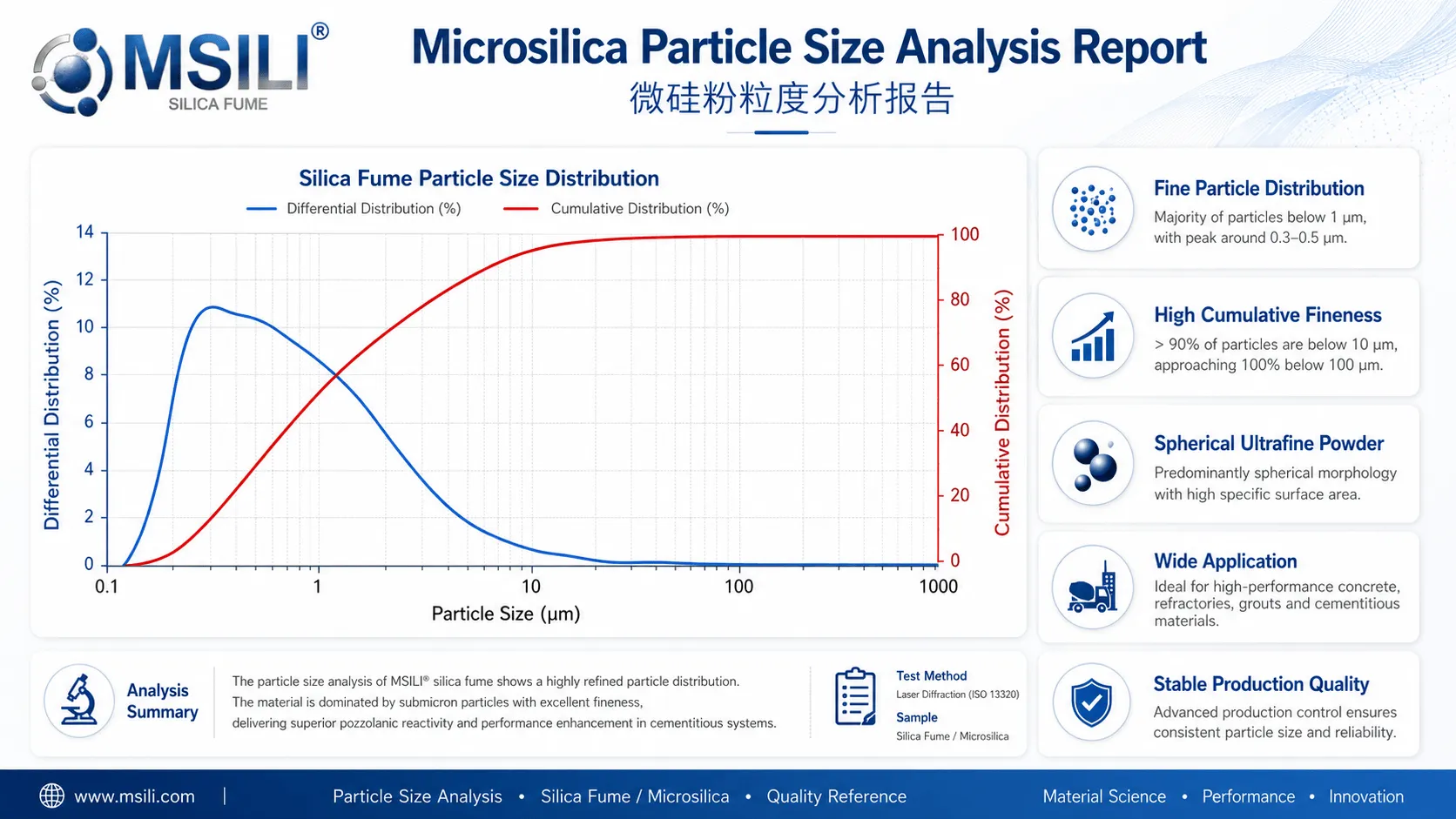
| Specific Surface Area | 15,000-30,000 m²/Kg | 15,000 m²/Kg |
| Bulk Density (Compacted) | 450-700 Kg/m³ | - |
| Activity Index (7 days) | 112.0 % | 105.0 % Minimum |
| Activity Index (28 days) | >= 118 % | - |
| Original particle size | 1.0 um | - |
| 45 μm sieve residue | 3.0 % | 10.0 % Maximum |
The data listed above is for reference only and does not constitute factory control specifications or acceptance criteria. Customers should conduct trials within their own systems to confirm product suitability.
Performance Comparison
Based on existing formulation tests, this section shows reference performance improvement from the micro-filling effect and pozzolanic reaction of silica fume. Actual results vary with matrix type, mix design, dosage, dispersion and process conditions, so sample testing is recommended.
Silica Fume Applications
Suitable for high-rise buildings, bridges, and special structures with high requirements for compressive strength, structural density, and long-term durability.
Suitable for ultra-high-performance concrete systems with efficient forced mixing and adequate dispersion, it helps optimize the particle size distribution of the powder and the density of the matrix.
Suitable for ports, docks, cross-sea bridges, and coastal structures, it helps improve concrete’s resistance to water penetration and chloride ion ingress.
Suitable for high-strength pipe piles, wind turbine towers, bridge components, UHPC slabs, and high-strength thin-walled precast products.
Suitable for high-strength repair mortars with aggregates, specialty grouting materials, wear-resistant mortars, and functional materials with stringent requirements for pore structure.
Suitable for certain low-cement, ultra-low-cement, and SiC-containing refractory castables, helping to optimize matrix gradation, density, and workability.
Quality Control
Packaging and Logistics
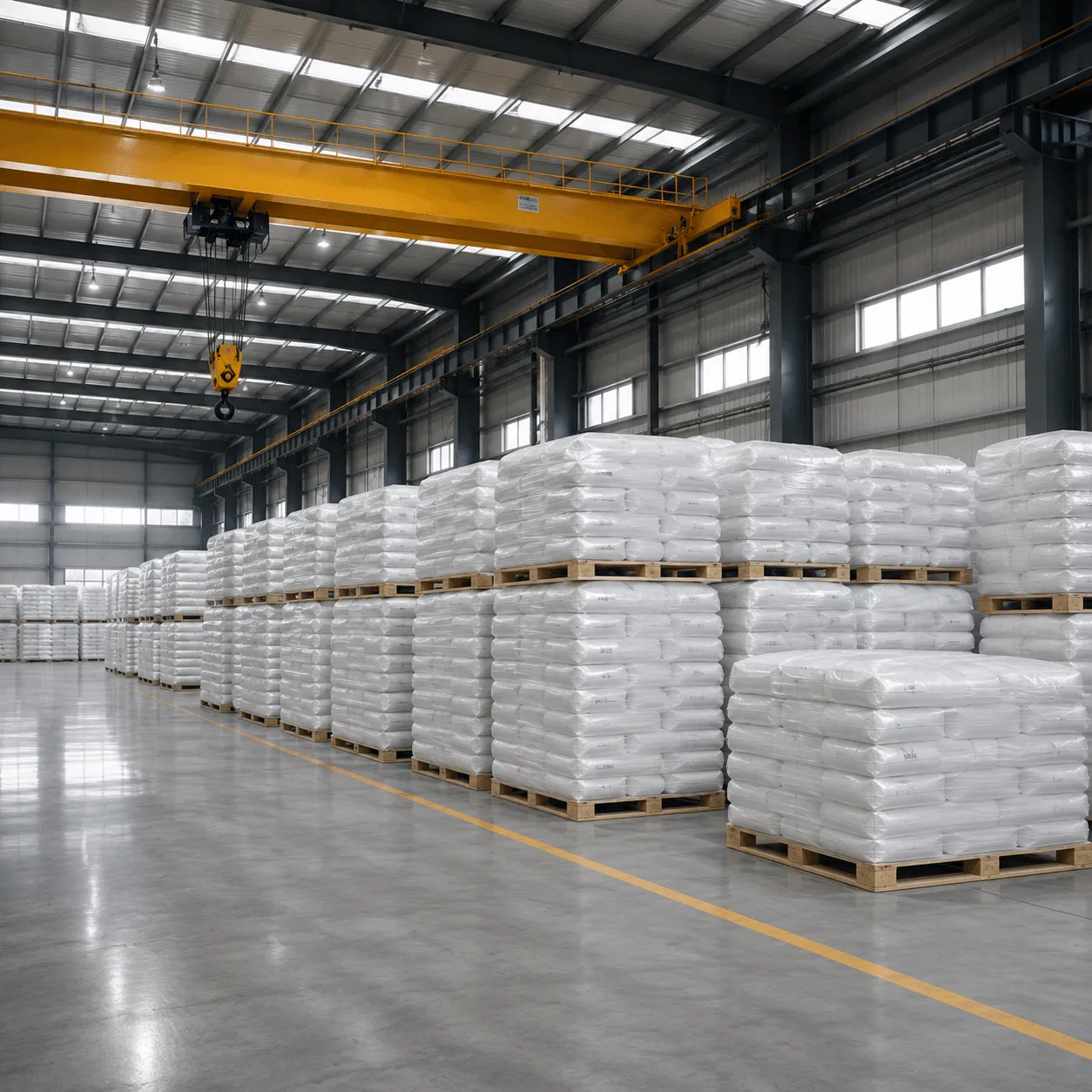
Suitable for small batches, experiments, and sporadic use.
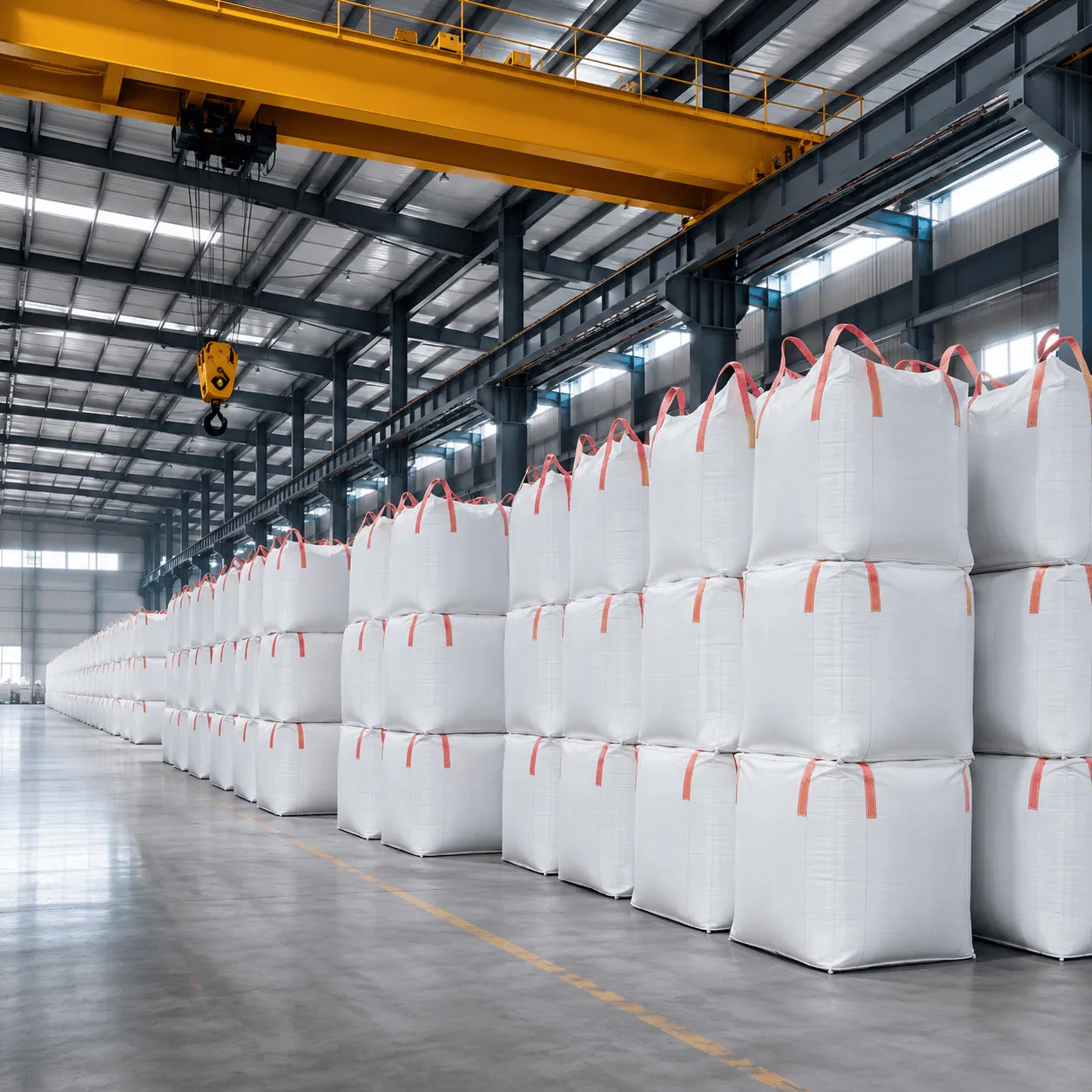
Suitable for engineering projects and industrial use, and designed for both container loading and transshipment.
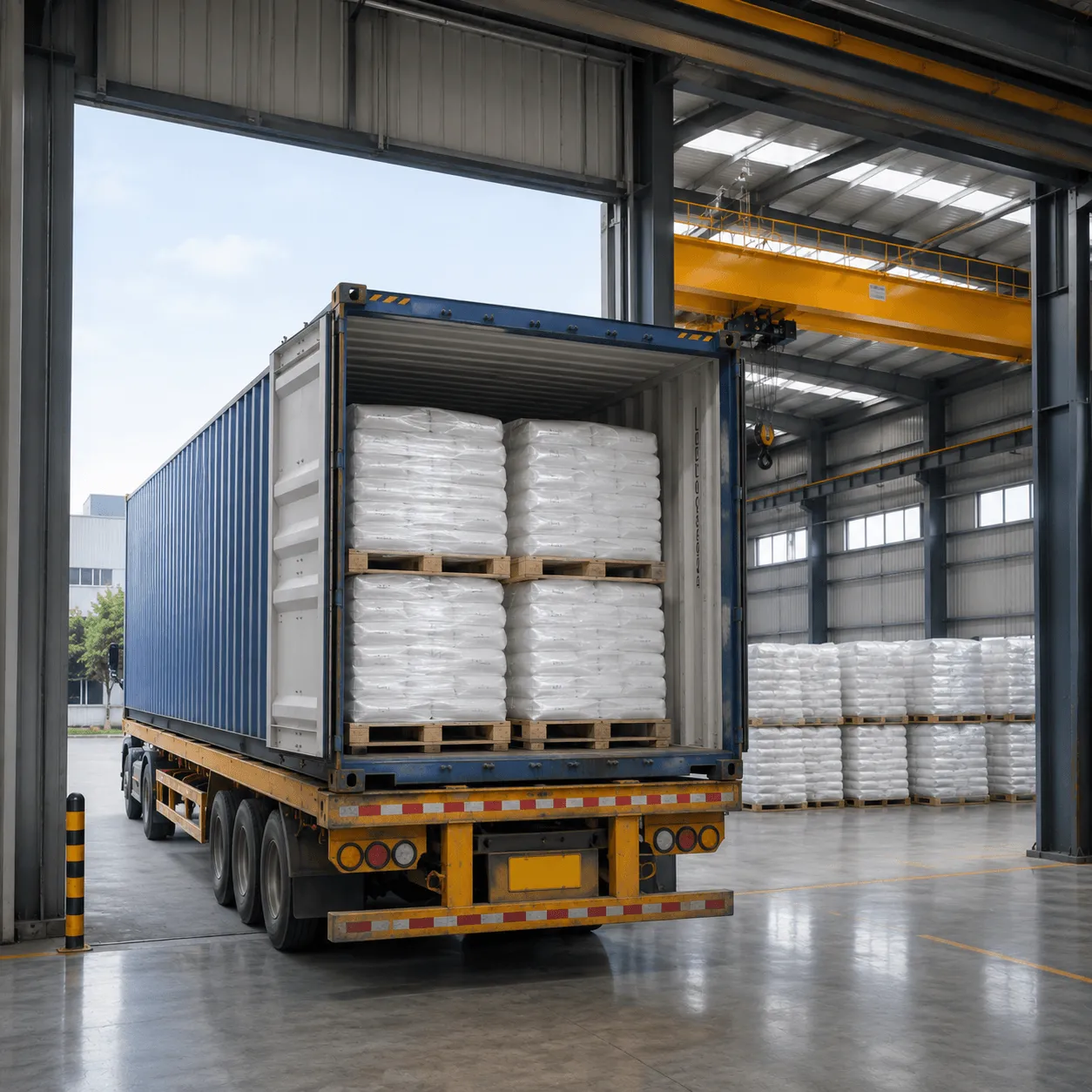
Match pallets, labels, inner liners, and export documentation according to project requirements.
FAQ
Answers to common purchasing questions about packaging, export documents, sample trials, loading and delivery.
94% Densified Microsilica refers to an ultrafine siliceous material with a SiO₂ content of at least 94% that has undergone a densification process. The densification process increases bulk density, reduces space requirements for transportation and storage, and is suitable for high-performance concrete and refractory systems that require forced mixing.
The main differences between the two lie in SiO₂ grade, impurity control, and product positioning. The 92% grade balances engineering performance with cost-effectiveness; the 94% grade places greater emphasis on raw material purity and batch consistency, making it suitable for formulation-sensitive applications such as UHPC, high-end precast components, and high-performance refractory materials.
94% Densified Microsilica is primarily suitable for UHPC, RPC, high-strength concrete (C100 and above), marine and bridge structures, high-end precast components, high-performance grouts, as well as low-cement, ultra-low-cement, and SiC-containing castables.
Yes. 94% Densified Microsilica can be used in UHPC and RPC systems to help optimize powder gradation and matrix density. When using it, forced mixing, a proper feeding sequence, and compatible polycarboxylic acid superplasticizers should be employed to ensure that the densified agglomerates are fully dispersed.
Not necessarily. SiO₂ content is only one of the factors affecting performance; the final outcome also depends on the reactivity of Microsilica, particle morphology, dosage, water-to-binder ratio, compatibility with water-reducing agents, degree of dispersion, and curing conditions. The main advantage of the 94% grade is that it provides a higher-purity and more stable raw material base for high-performance formulations.
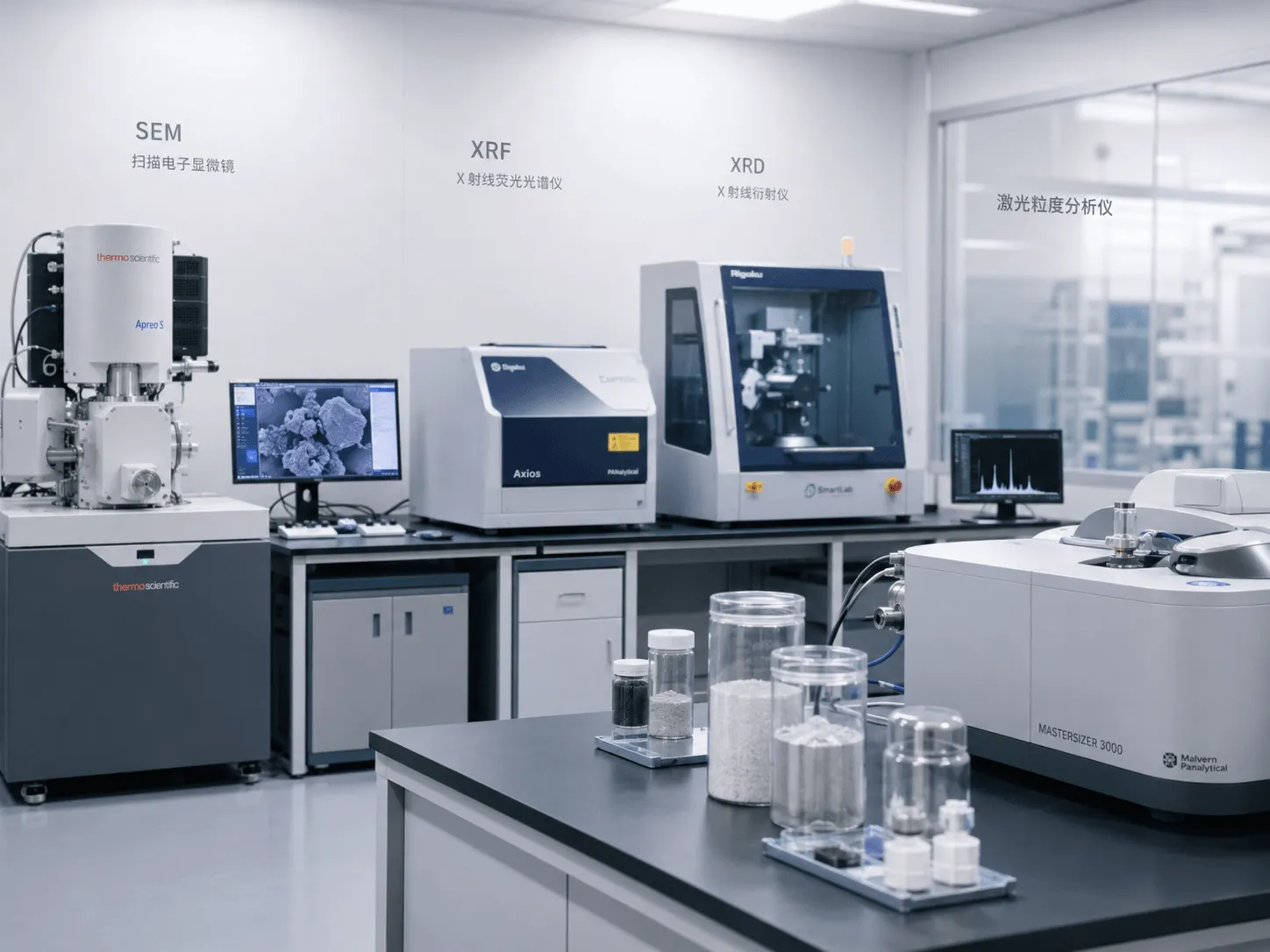
Compliance cannot be determined based solely on SiO₂ content. To confirm compliance with ASTM C1240, it is necessary to comprehensively evaluate test results such as moisture content, loss on ignition, 45-μm sieve residue, and pozzolanic activity index. When purchasing, please refer to the Certificate of Analysis (COA) and relevant test reports provided by MSILI for the corresponding batch.
Supply Capacity
RELATED CONTENT
 知识文章
Silica Fume vs Fly Ash: Key Differences, Performance, Dosage, and Uses
Silica fume and fly ash are two common supplementary cementitious materials used in concrete. Both materials can improve concrete performance. They react with products…
知识文章
Silica Fume vs Fly Ash: Key Differences, Performance, Dosage, and Uses
Silica fume and fly ash are two common supplementary cementitious materials used in concrete. Both materials can improve concrete performance. They react with products…
 知识文章
Microsilica Price per Ton: Cost Factors and Quotation Guide
This article explains why MSILI microsilica does not have one fixed price per ton. It examines how SiO₂ content, product form, application requirements, packaging, order quantity, freight, and Incoterms affect the final quotation, while helping buyers compare suppliers by total purchasing cost instead of the quoted product price alone.
知识文章
Microsilica Price per Ton: Cost Factors and Quotation Guide
This article explains why MSILI microsilica does not have one fixed price per ton. It examines how SiO₂ content, product form, application requirements, packaging, order quantity, freight, and Incoterms affect the final quotation, while helping buyers compare suppliers by total purchasing cost instead of the quoted product price alone.
 知识文章
Microsilica Manufacturer: Products, Applications, and Supplier Selection Guide
This article introduces MSILI as an application-focused microsilica manufacturer and explains its product grades, main applications, quality controls, and technical support. It also shows how buyers can compare microsilica suppliers based on product suitability, test documents, batch consistency, sample performance, and delivery capability rather than price alone.
知识文章
Microsilica Manufacturer: Products, Applications, and Supplier Selection Guide
This article introduces MSILI as an application-focused microsilica manufacturer and explains its product grades, main applications, quality controls, and technical support. It also shows how buyers can compare microsilica suppliers based on product suitability, test documents, batch consistency, sample performance, and delivery capability rather than price alone.
Request a Silica Fume Grade
Please provide us with the target strength, construction method, dosage, packaging, and destination port, and we will recommend samples and product grades based on your specific application.