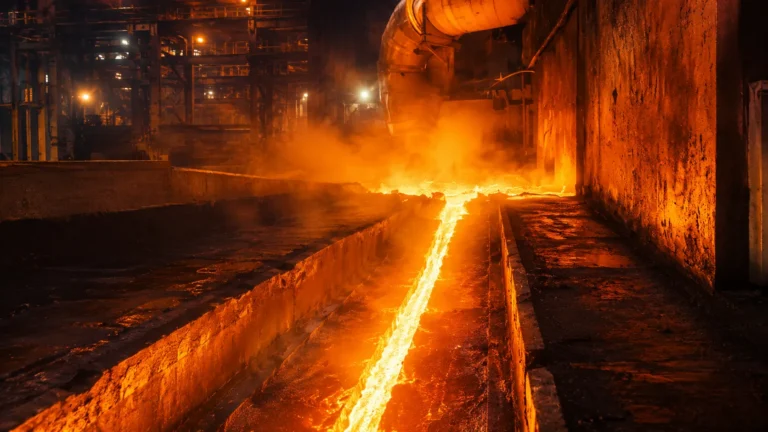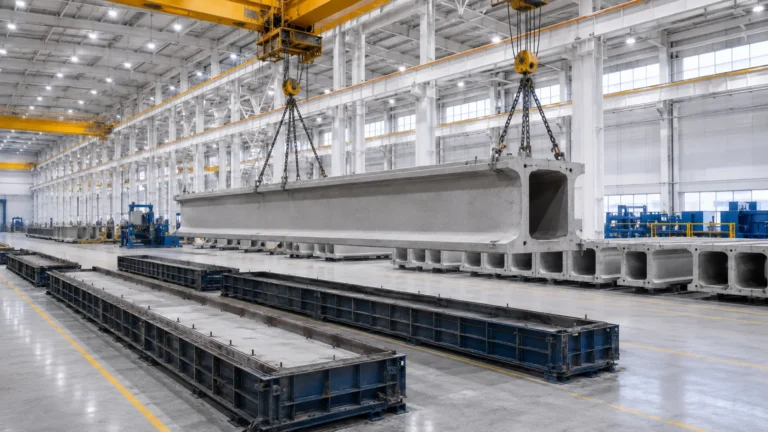
High purity, more stable performance
With low impurity content and stable reactivity, it is suitable for demanding applications such as UHPC, high-strength concrete, and high-performance grouts.
Product Details
Densified Silica Fume
It is primarily intended for use in UHPC, RPC, high-strength concrete, high-strength precast components, and other material systems that require high purity, stability, and high-temperature performance.
Product Overview
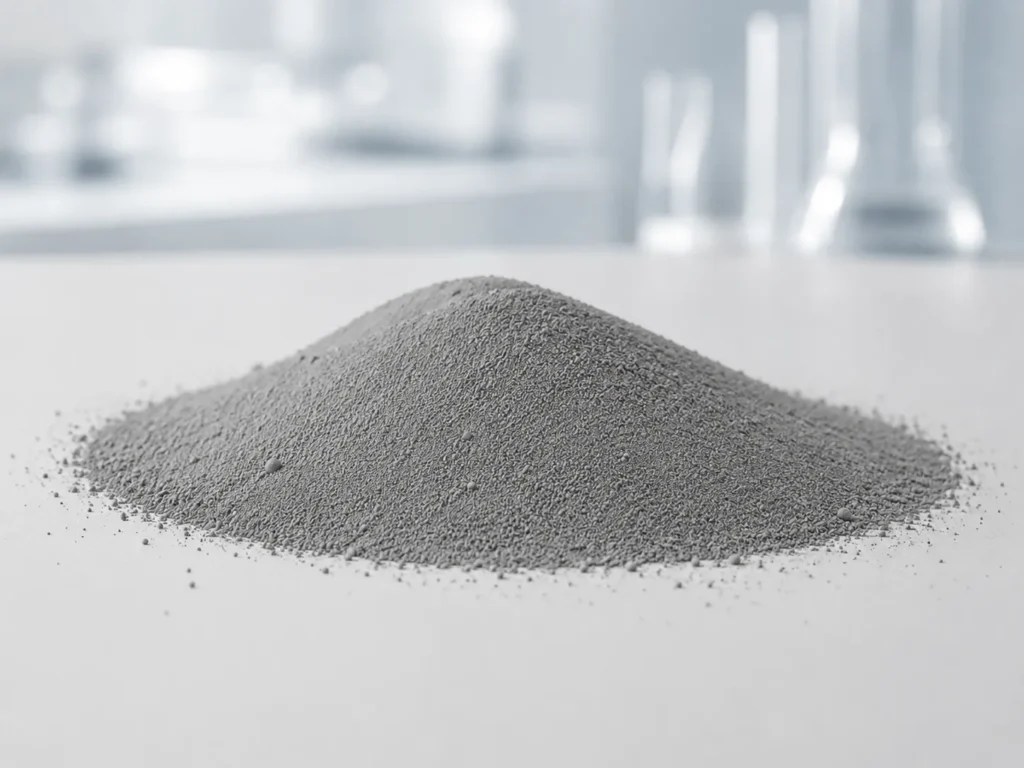
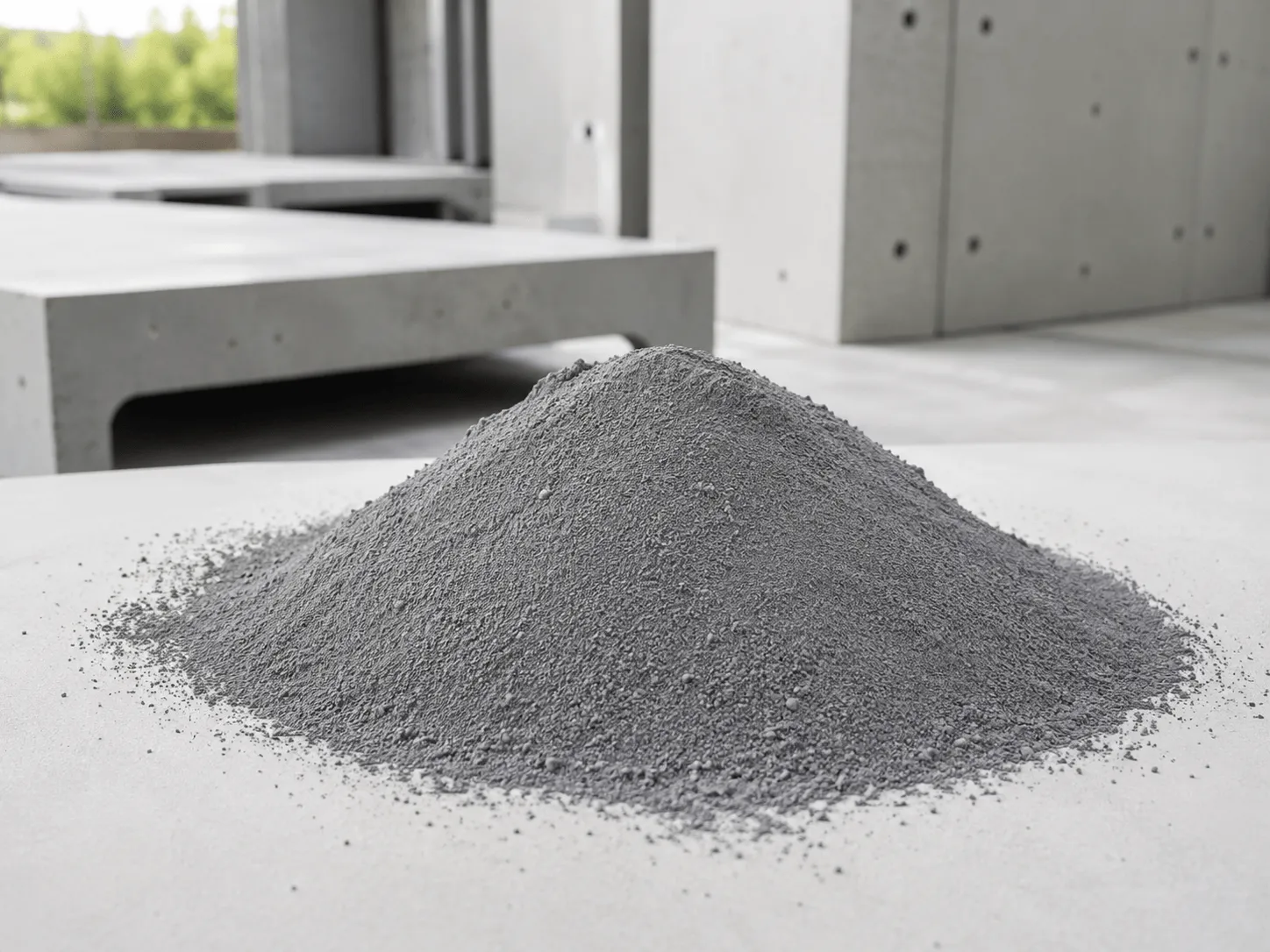
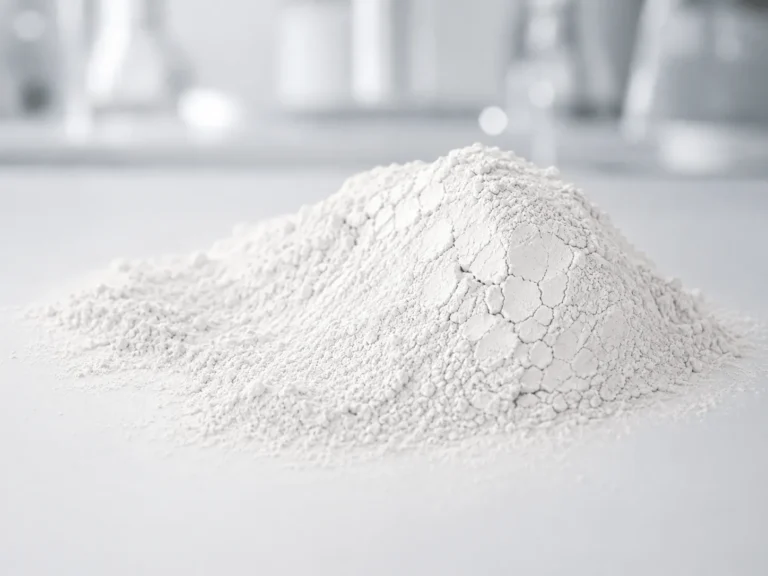
MSILI 96% Densified Silica Fume is a highly reactive siliceous material with a silicon dioxide (SiO₂) content of at least 96%. The product undergoes a thorough densification process that significantly increases its bulk density while maintaining the pozzolanic activity and micro-filling capabilities of silica fume. This reduces dust generation during transportation and feeding, making it more suitable for large-scale storage and transportation, automated feeding, and continuous production.
Product Advantages
With low impurity content and stable reactivity, it is suitable for demanding applications such as UHPC, high-strength concrete, and high-performance grouts.
The products have a high bulk density, occupying less space for the same weight, which increases container loading capacity and reduces transportation and warehousing costs.
Densified particles reduce dust dispersion during packaging, handling, and feeding, making them suitable for big-bag feeding, silo storage, and continuous production lines.
Ultrafine particles can fill the micro-pores within the material, optimize the particle size distribution, and, through chemical reactions, enhance the material’s density, strength, impermeability, wear resistance, and high-temperature performance.
Technical Data
| Test Item | Typical Value | ASTM C1240 |
|---|---|---|
| SiO₂ Content | >= 96% | 85.0 % Minimum |
| Moisture Content | <= 2.0% | 3.0% Maximum |
| Loss on Ignition | <= 3.0% | 6.0% Maximum |
| Specific Surface Area | 15,000-25,000 m²/Kg | 15,000 m²/Kg |
| Bulk Density (Compacted) | 450-700 Kg/m³ | - |
| Activity Index (7 days) | 112.0 % | 105.0 % Minimum |
| Activity Index (28 days) | >= 118 % | - |
| Average particle size | 1.0 um | - |
| 45 μm sieve residue | 3.0 % | 10.0 % Maximum |
The data listed above is for reference only and does not constitute factory control specifications or acceptance criteria. Customers should conduct trials within their own systems to confirm product suitability.
Performance Comparison
Based on existing formulation tests, this section shows reference performance improvement from the micro-filling effect and pozzolanic reaction of silica fume. Actual results vary with matrix type, mix design, dosage, dispersion and process conditions, so sample testing is recommended.
Silica Fume Applications
Used in bridges, port structures, tunnels, and precast components to enhance impermeability, chloride resistance, and durability.
Improves particle size distribution and the interfacial transition zone, enhancing early strength, density, and surface quality.
It can be used to fill the internal pores of cement paste and improve the interface transition zone through secondary pozzolanic reactions.
It helps improve the surface density, early strength, wear resistance, and dimensional stability of structural components.
It can be used in oil well cement to help improve the material’s density, impermeability, abrasion resistance, and structural stability under high-temperature conditions.
Used in high-performance grouts, wear-resistant mortars, industrial flooring, and other specialty cement-based materials, providing both interface reinforcement and resistance to efflorescence.
Quality Control
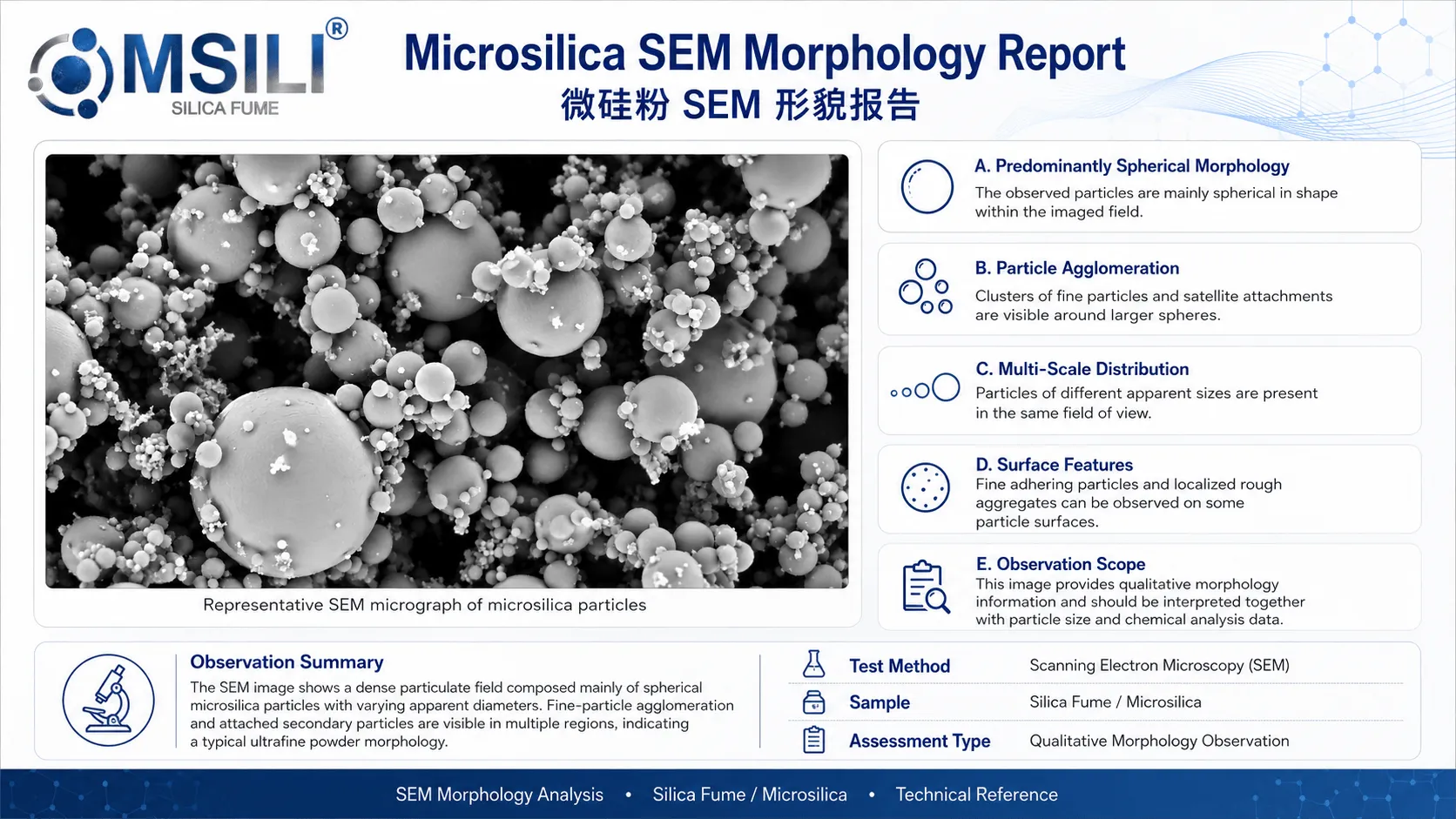
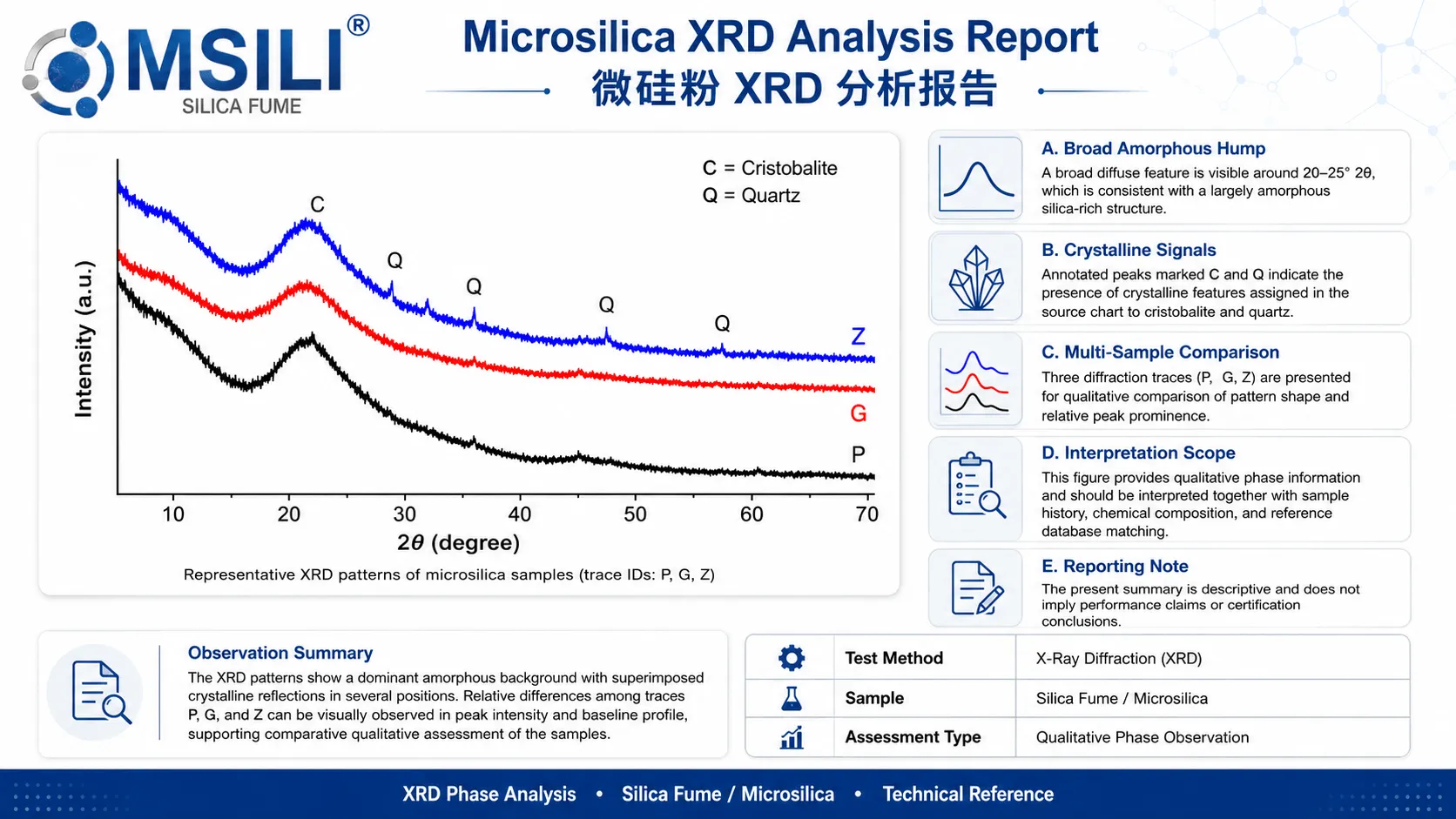
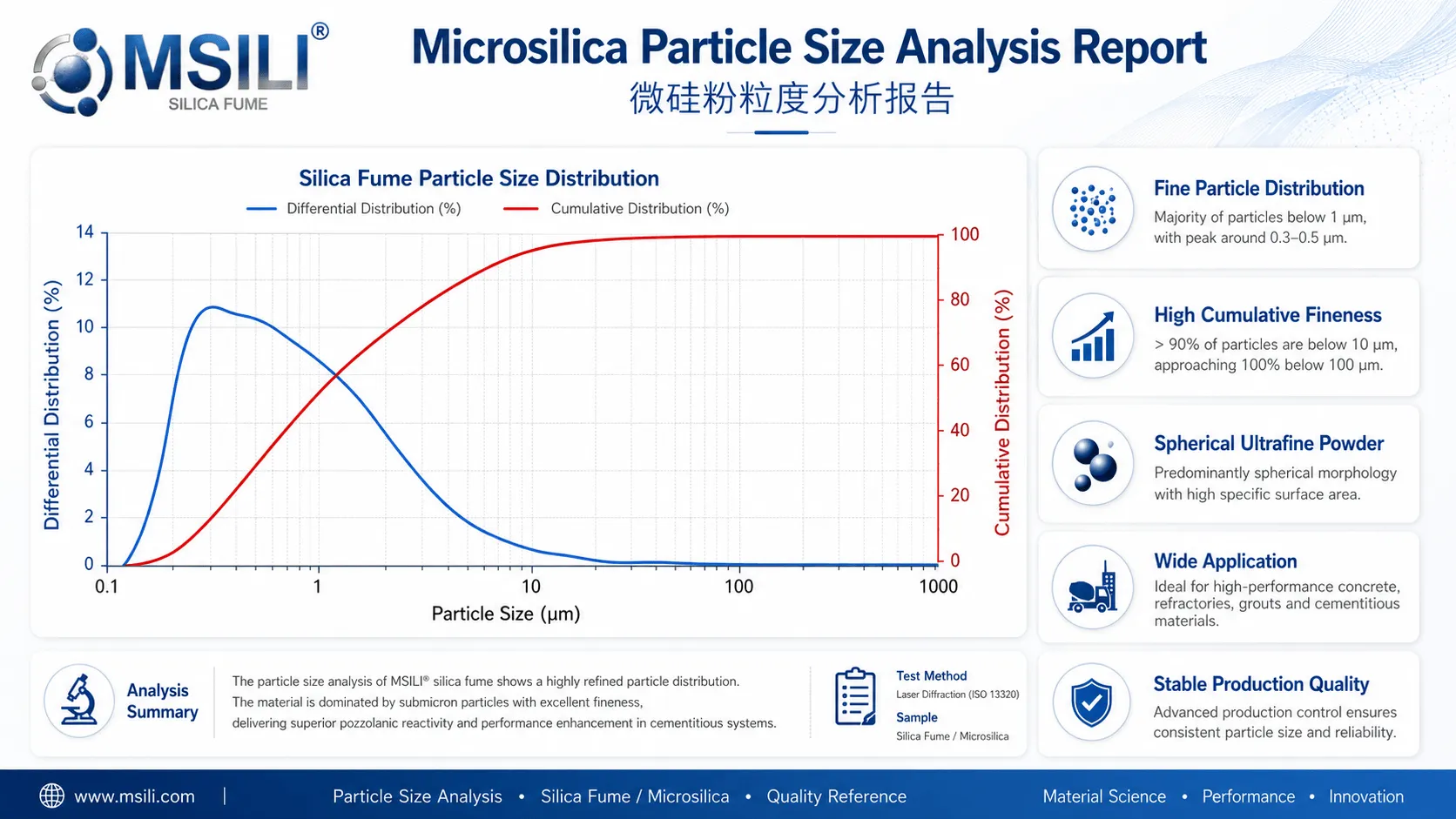
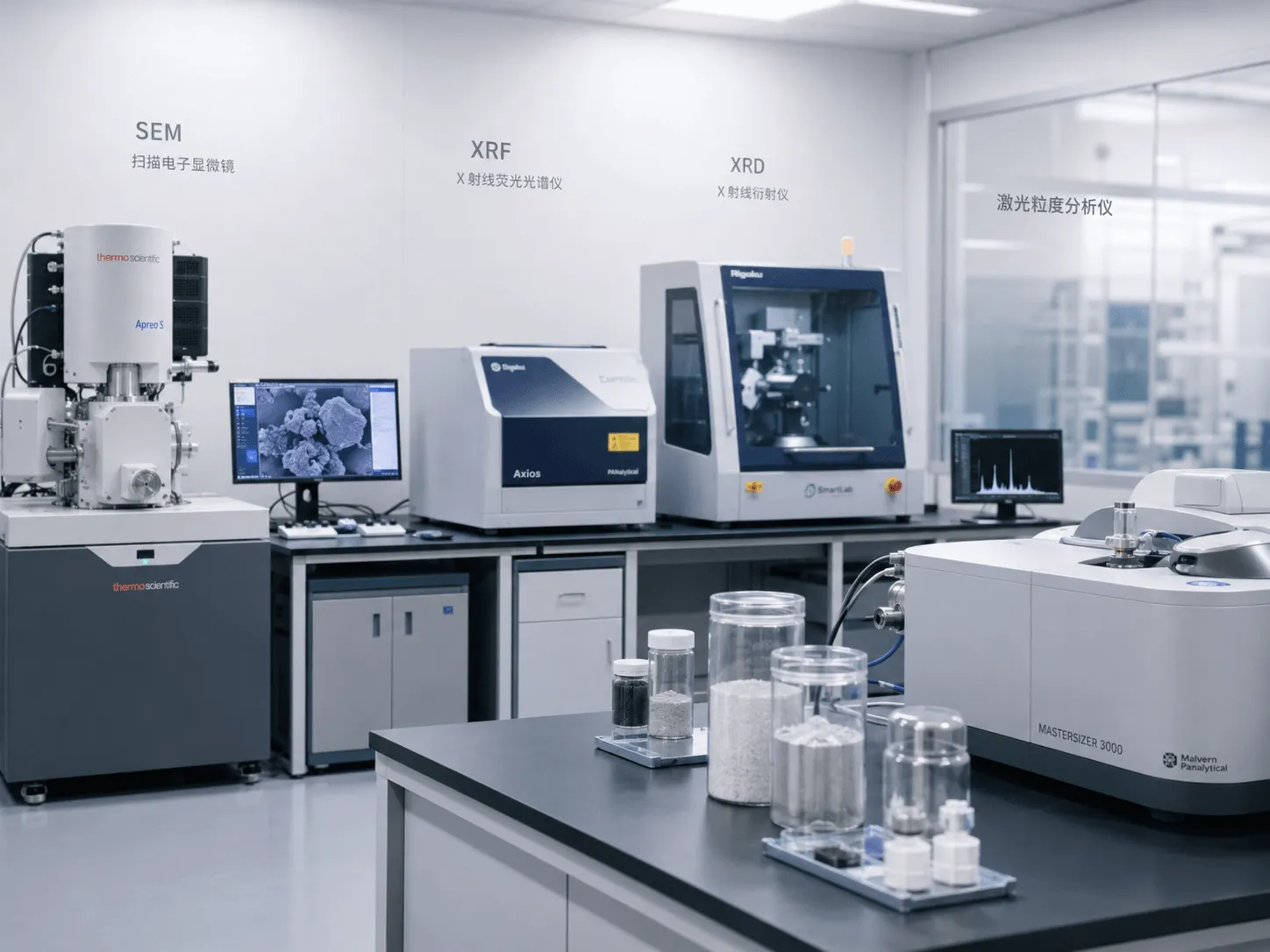
Packaging and Logistics
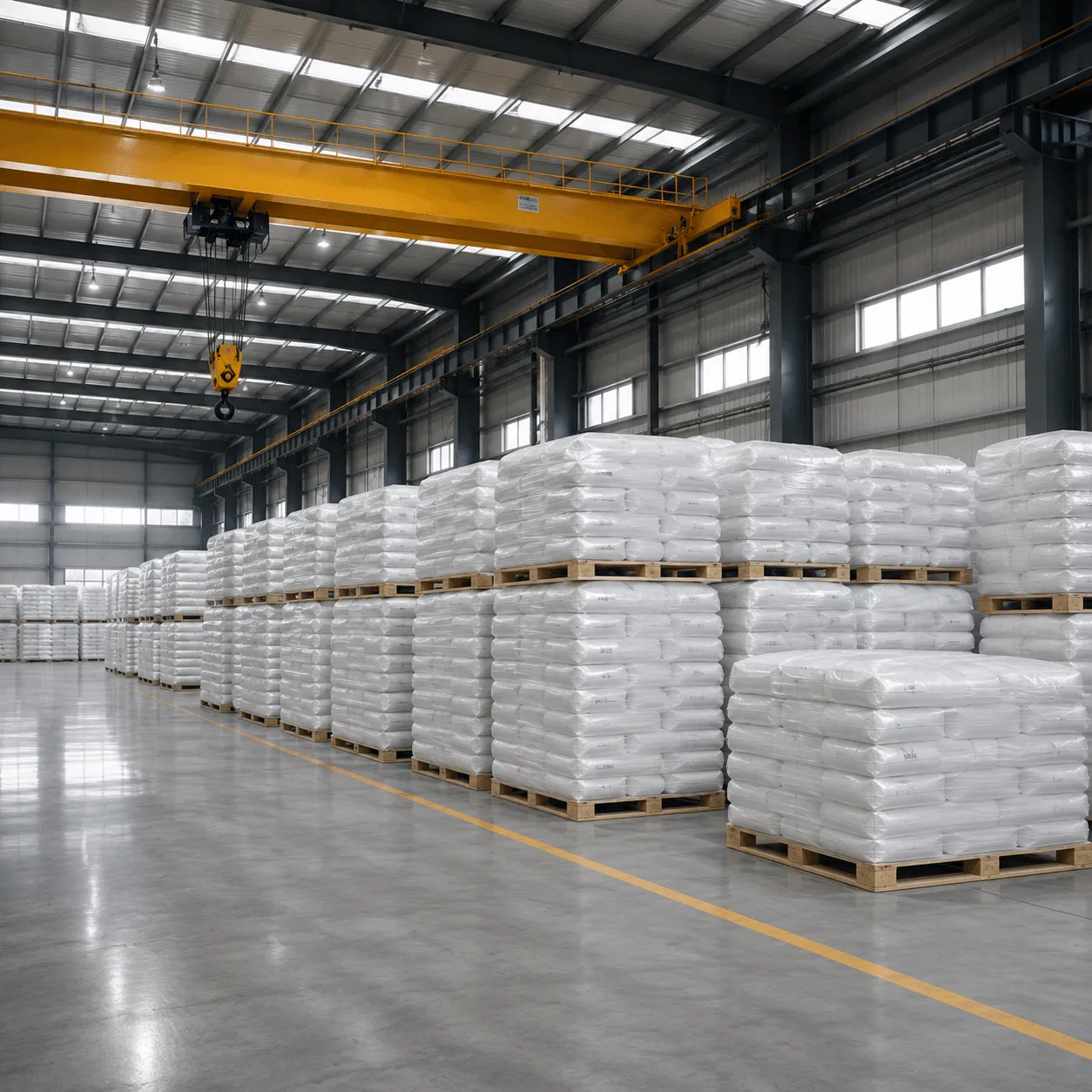
Suitable for small batches, experiments, and sporadic use.
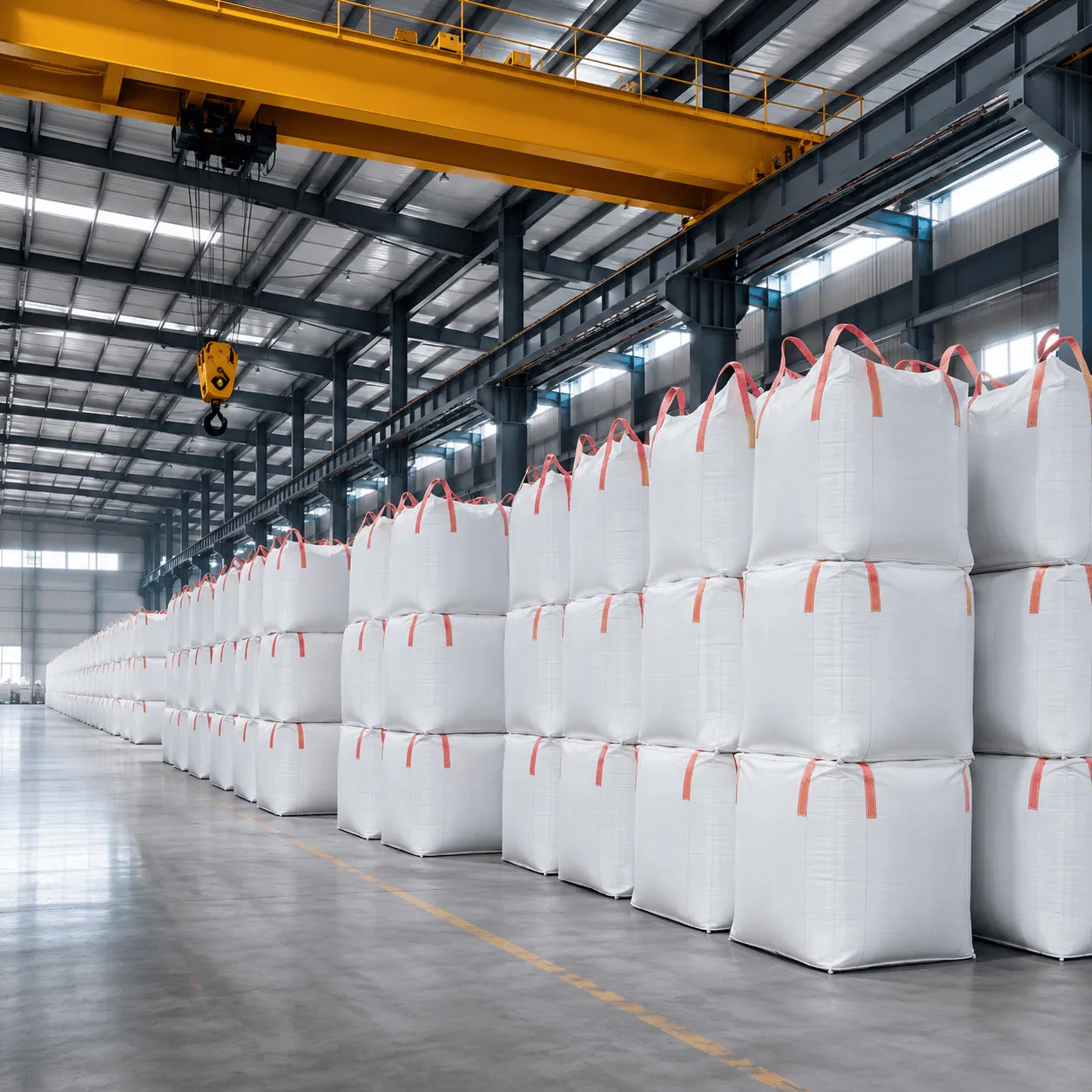
Suitable for engineering projects and industrial use, and designed to accommodate both container loading and transshipment.
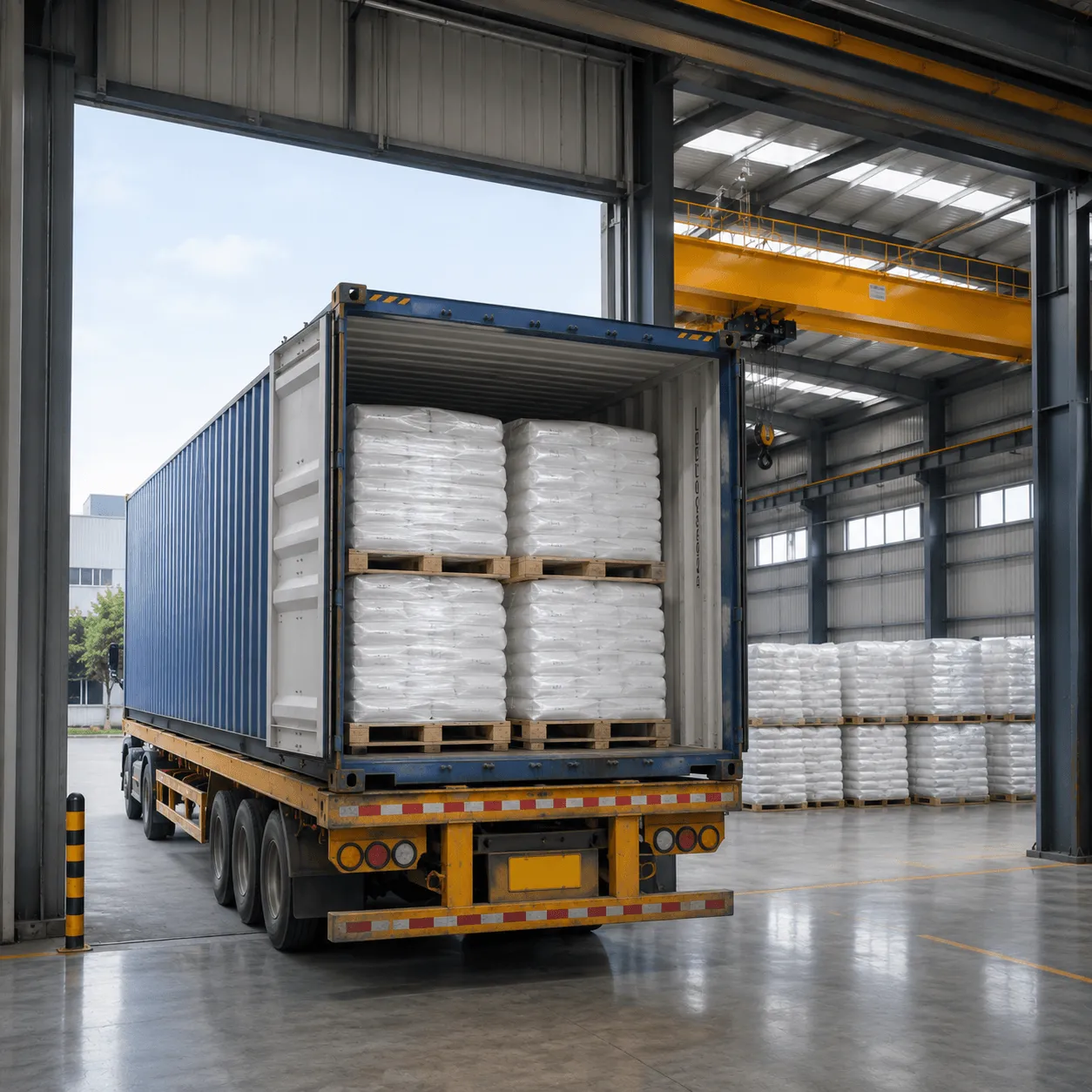
Match pallets, labels, inner liners, and export documentation according to project requirements.
FAQ
Answers to common purchasing questions about packaging, export documents, sample trials, loading and delivery.
It is primarily suitable for UHPC, RPC, high-strength concrete, high-strength precast components, high-performance grouts, oil well cement, and other systems that require high purity and stability of Silica Fume.
Not necessarily. Densification primarily addresses issues related to transportation, loading, dust generation, and automated feeding. The final performance depends on whether the densified particles can fully open up during mixing. If the mixture lacks coarse aggregate shear or has insufficient mixing intensity, undensified or uncompacted products may yield more stable dispersion results.
Trial mix designs can begin with an admixture level of 15%–25% of the cement weight. The specific admixture dosage must be determined comprehensively based on cement reactivity, quartz fume gradation, water-to-binder ratio, water-reducing admixture compatibility, and target strength.
Yes. High-purity Silica Fume can serve as a key component in the gel-binding system of high-performance grout. Initial trial mixes can start at 4%–6% of the total formulation weight, followed by a comprehensive evaluation of properties such as 3-day, 7-day, and 28-day strength, as well as impermeability and freeze-thaw resistance.
Production and testing can be conducted according to customer requirements and mutually agreed-upon technical specifications. Before placing an order, we recommend specifying the SiO₂, moisture content, loss on ignition, 45-μm sieve residue, activity index, bulk density, and packaging requirements.
Supply Capacity
RELATED CONTENT
 知识文章
Silica Fume vs Fly Ash: Key Differences, Performance, Dosage, and Uses
Silica fume and fly ash are two common supplementary cementitious materials used in concrete. Both materials can improve concrete performance. They react with products…
知识文章
Silica Fume vs Fly Ash: Key Differences, Performance, Dosage, and Uses
Silica fume and fly ash are two common supplementary cementitious materials used in concrete. Both materials can improve concrete performance. They react with products…
 知识文章
Microsilica Price per Ton: Cost Factors and Quotation Guide
This article explains why MSILI microsilica does not have one fixed price per ton. It examines how SiO₂ content, product form, application requirements, packaging, order quantity, freight, and Incoterms affect the final quotation, while helping buyers compare suppliers by total purchasing cost instead of the quoted product price alone.
知识文章
Microsilica Price per Ton: Cost Factors and Quotation Guide
This article explains why MSILI microsilica does not have one fixed price per ton. It examines how SiO₂ content, product form, application requirements, packaging, order quantity, freight, and Incoterms affect the final quotation, while helping buyers compare suppliers by total purchasing cost instead of the quoted product price alone.
 知识文章
Microsilica Manufacturer: Products, Applications, and Supplier Selection Guide
This article introduces MSILI as an application-focused microsilica manufacturer and explains its product grades, main applications, quality controls, and technical support. It also shows how buyers can compare microsilica suppliers based on product suitability, test documents, batch consistency, sample performance, and delivery capability rather than price alone.
知识文章
Microsilica Manufacturer: Products, Applications, and Supplier Selection Guide
This article introduces MSILI as an application-focused microsilica manufacturer and explains its product grades, main applications, quality controls, and technical support. It also shows how buyers can compare microsilica suppliers based on product suitability, test documents, batch consistency, sample performance, and delivery capability rather than price alone.
Request a Silica Fume Grade
Please provide us with the target strength, construction method, dosage, packaging, and destination port, and we will recommend samples and product grades based on your specific application.