Denser matrix
Fills microvoids and refines particle packing.
Silica fume grade
Undensified Silica Fume
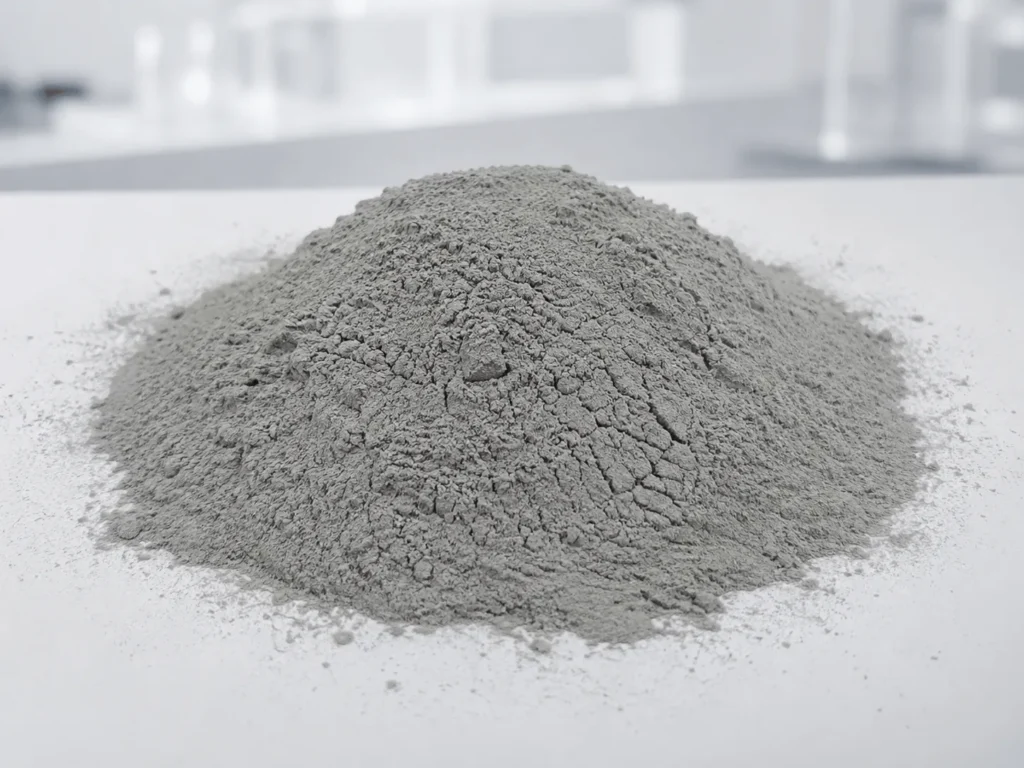
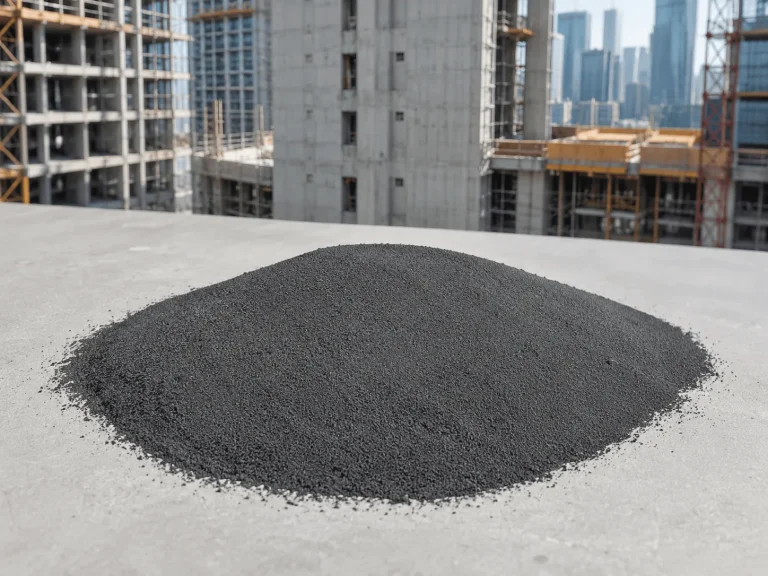
A 85% SiO₂ undensified silica fume engineered for ready-mix concrete, dry mortar and general refractories. Its controlled agglomeration improves handling and transport while allowing rapid dispersion under normal mixing shear.
Product Overview
A 85% SiO₂ undensified silica fume engineered for ready-mix concrete, dry mortar and general refractories. Its controlled agglomeration improves handling and transport while allowing rapid dispersion under normal mixing shear.
Fine amorphous particles fill capillary voids and support pozzolanic or ceramic bonding. Batch control covers chemistry, moisture, loss on ignition and bulk density (200–400 kg/m³). Ask MSILI to match the grade to your binder, dosage and process before scale-up.
Product Advantages
Fills microvoids and refines particle packing.
Breaks down under normal mechanical shear without chemical binders.
Can improve strength, impermeability and service durability when correctly formulated.
COA-backed lots and packaging options for trials or bulk production.
Technical Data
| Test Item | Typical Value | ASTM C1240 |
|---|---|---|
| SiO₂ Content | >= 85% | 85.0 % Minimum |
| Moisture Content | <= 2.0% | 3.0% Maximum |
| Loss on Ignition | <= 4.0% | 6.0% Maximum |
| Specific Surface Area | 15,000-25,000 m²/Kg | 15,000 m²/Kg Minimum |
| Bulk Density | 200-400 Kg/m3 | - |
| Activity Index (7 Days) | 110.0 % | 105.0 % Minimum |
| Activity Index (28 Days) | >=115 % | - |
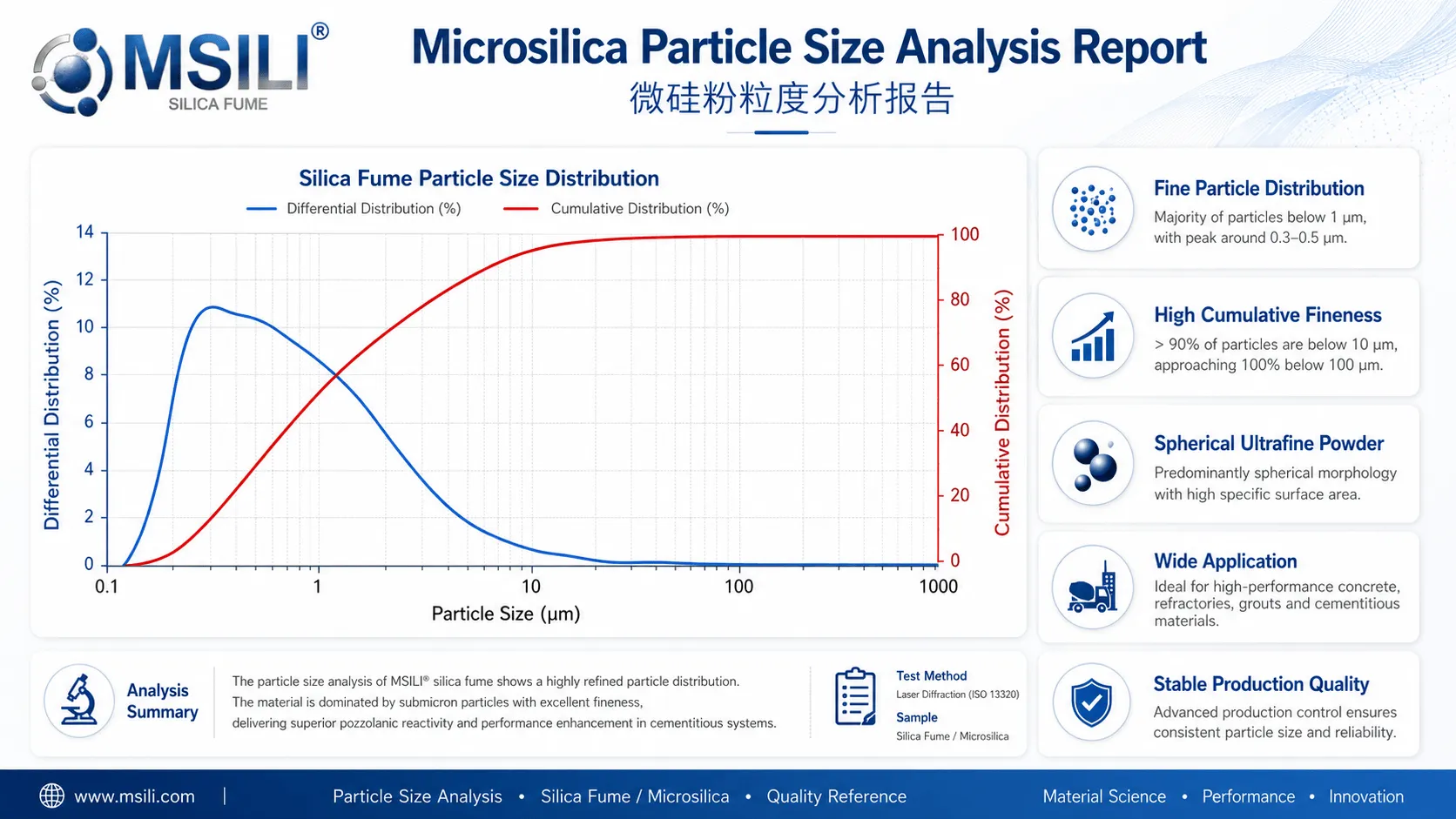
| Average Particle Size | 1.0 um | - |
| 45 µm Sieve Residue | 3.0 % | 10.0 % Maximum |
The data listed above is for reference only and does not constitute factory control specifications or acceptance criteria. Customers should conduct trials within their own systems to confirm product suitability.
Performance Comparison
Based on existing formulation tests, this section shows reference performance improvement from the micro-filling effect and pozzolanic reaction of silica fume. Actual results vary with matrix type, mix design, dosage, dispersion and process conditions, so sample testing is recommended.
Silica Fume Applications
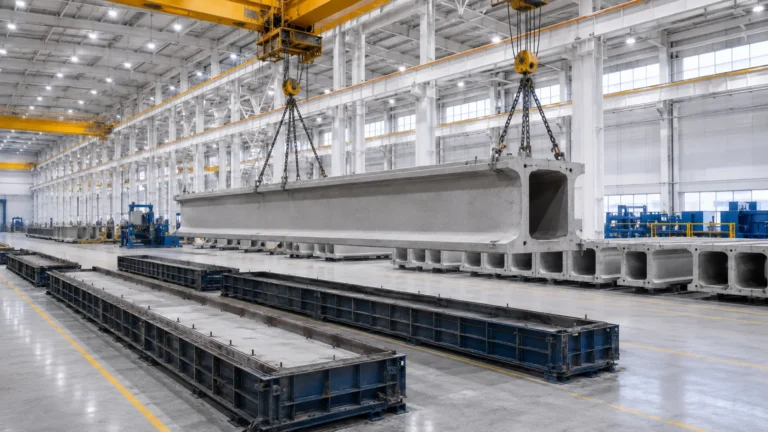
Improves particle packing, matrix density and compressive strength in bridges, high-rise structures and high-strength precast elements.
Supports denser repair mortars, grouts and wear-resistant mortars with improved bond performance and long-term durability.
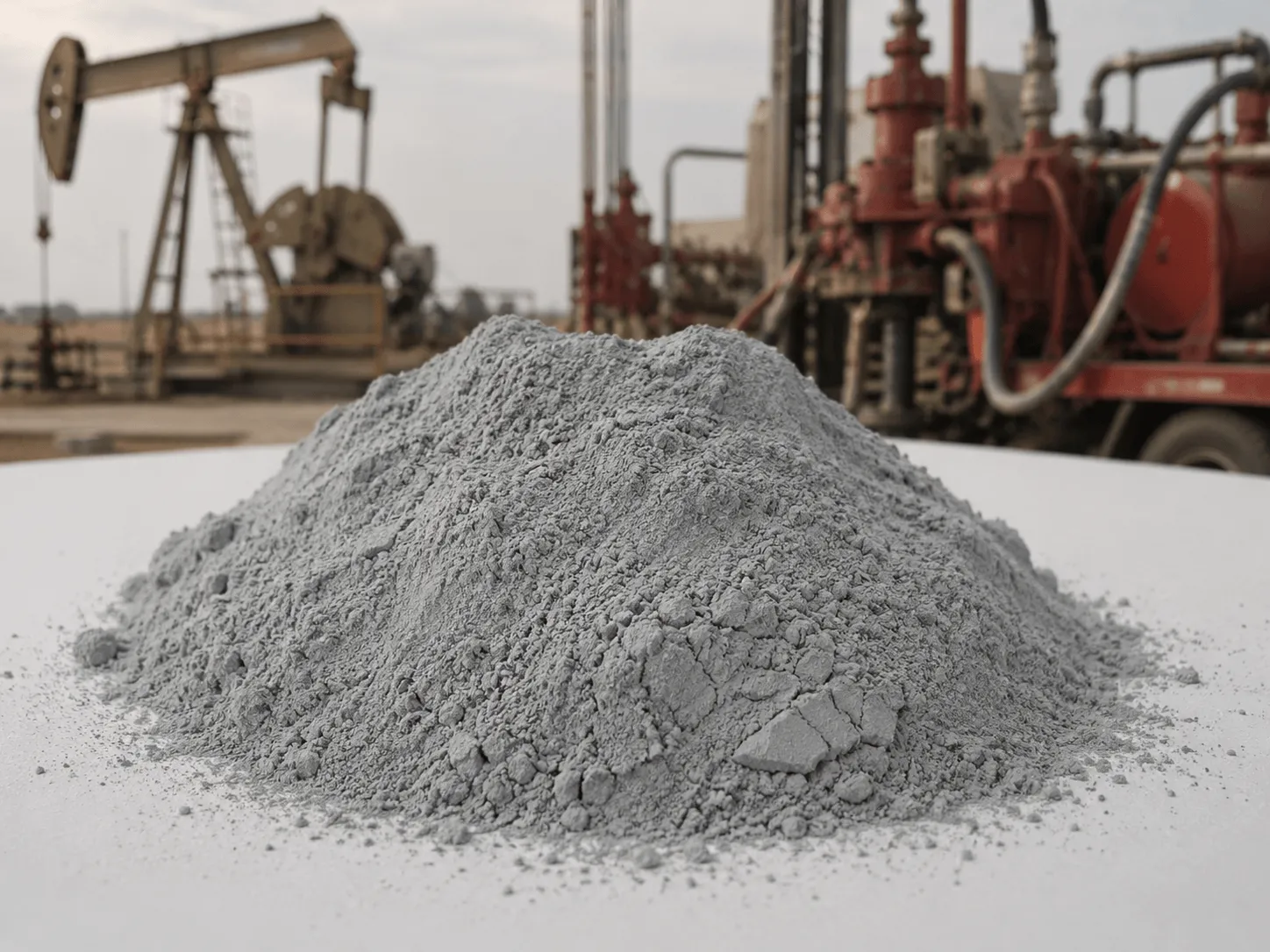
Reduces cement-stone porosity and supports impermeability and thermal stability in oil- and gas-well cementing systems.
Improves cohesion and adhesion, helping reduce rebound and increase build thickness during spray application.
Supports workability and cohesion during long-distance pumping and large-volume placement in high-rise, bridge and underground projects.
Helps increase surface density, abrasion resistance and crack resistance in warehouses, plants, logistics facilities and parking structures.
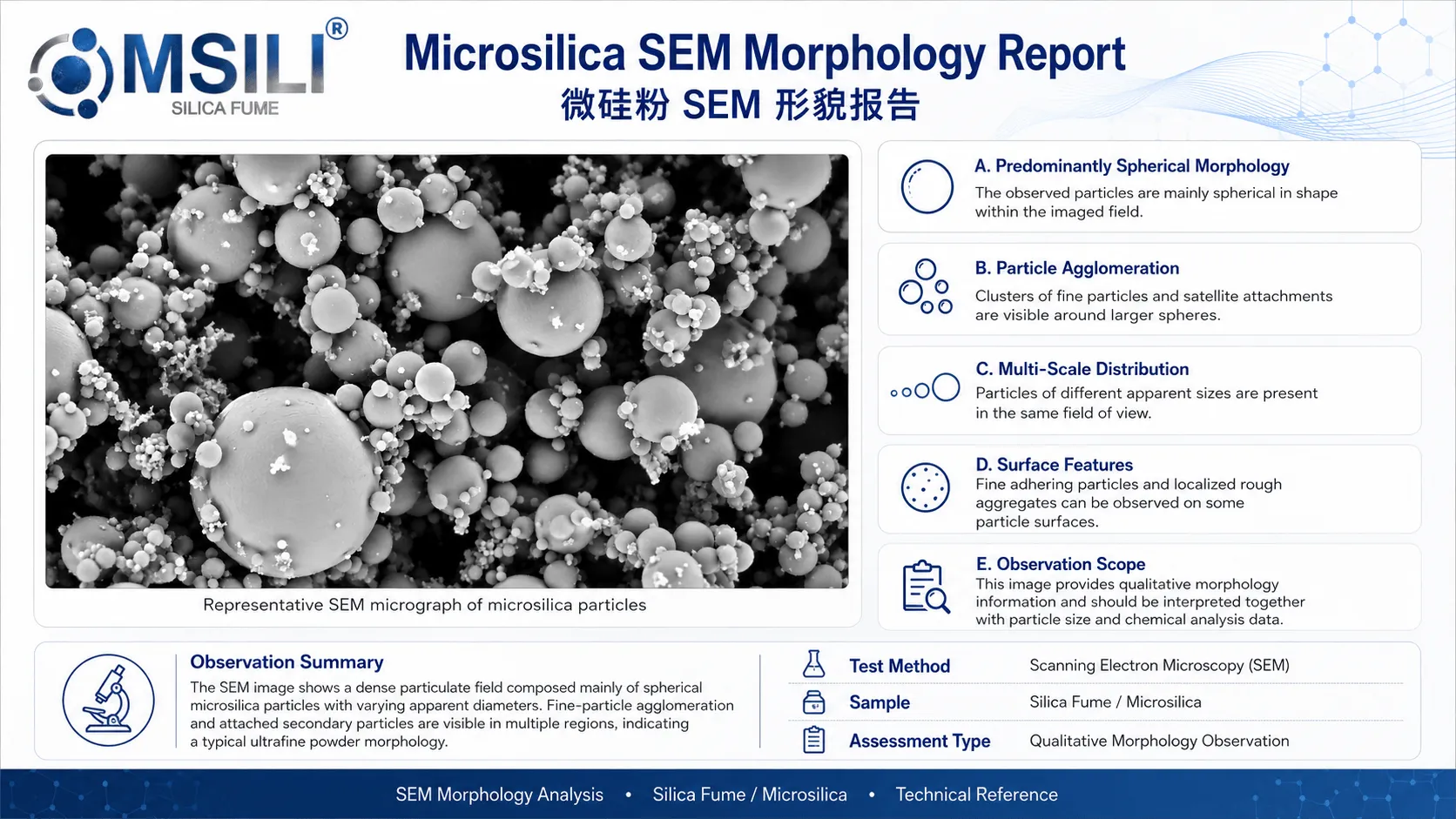
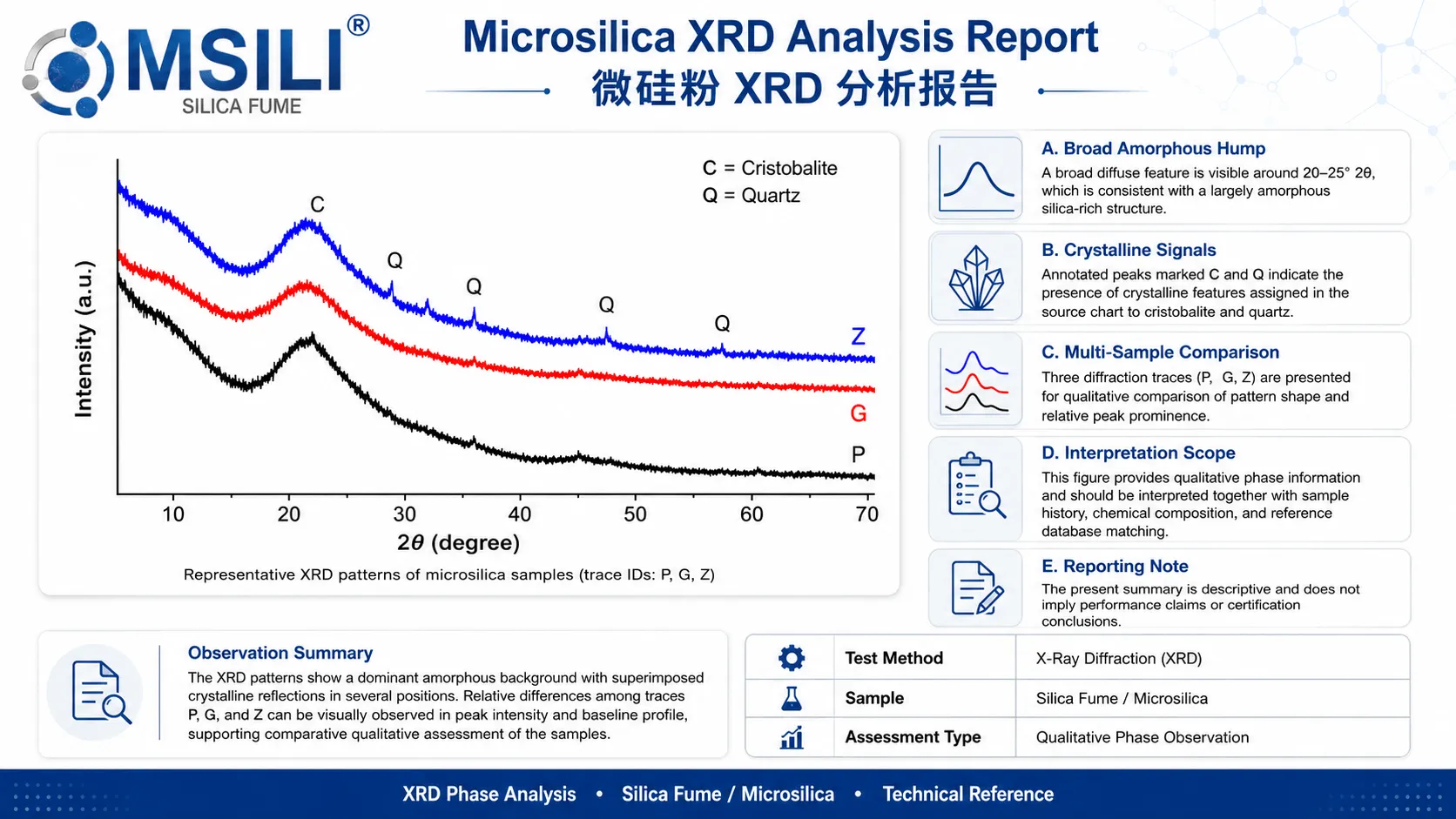
Quality Control
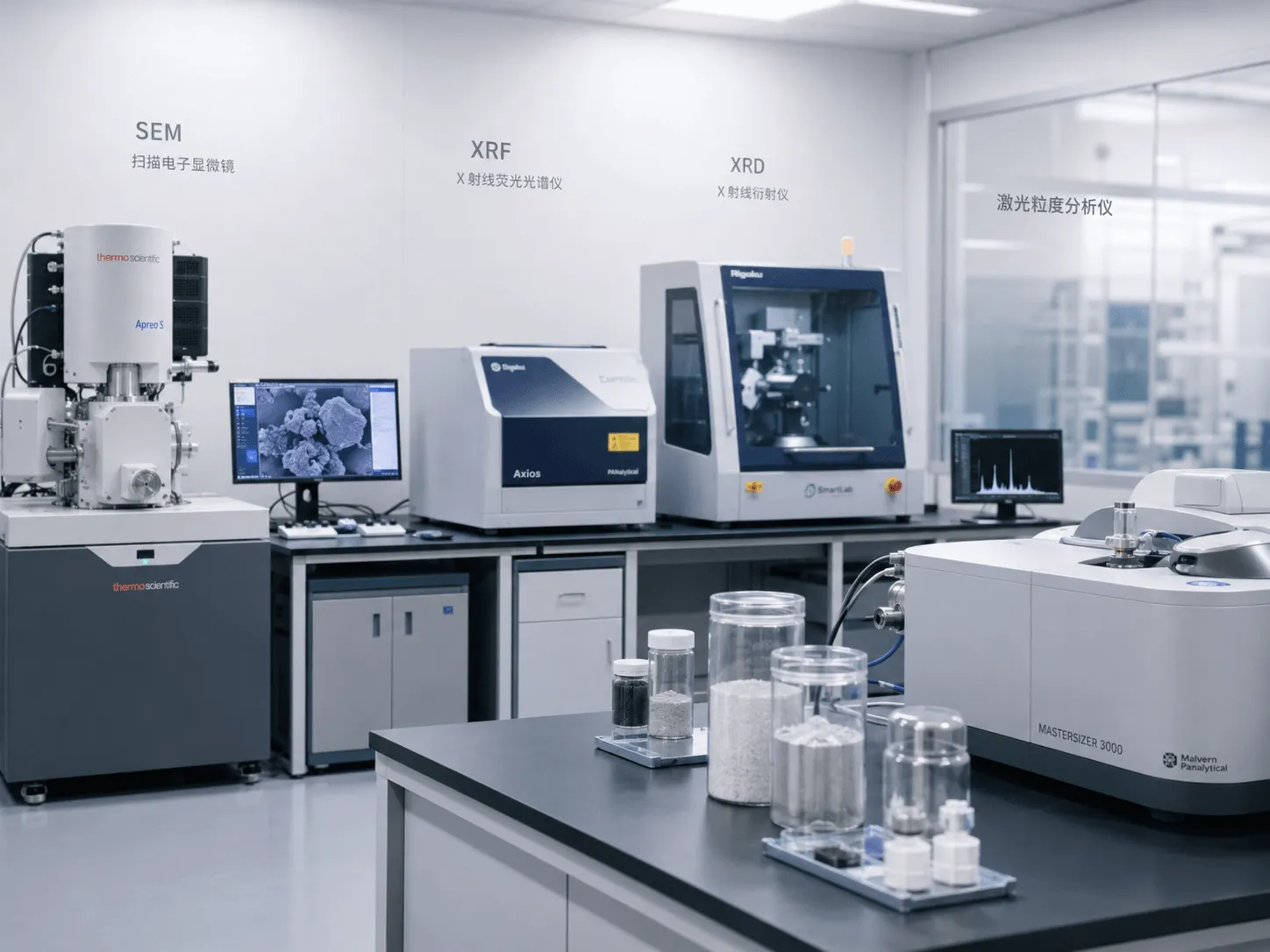
Packaging and Logistics
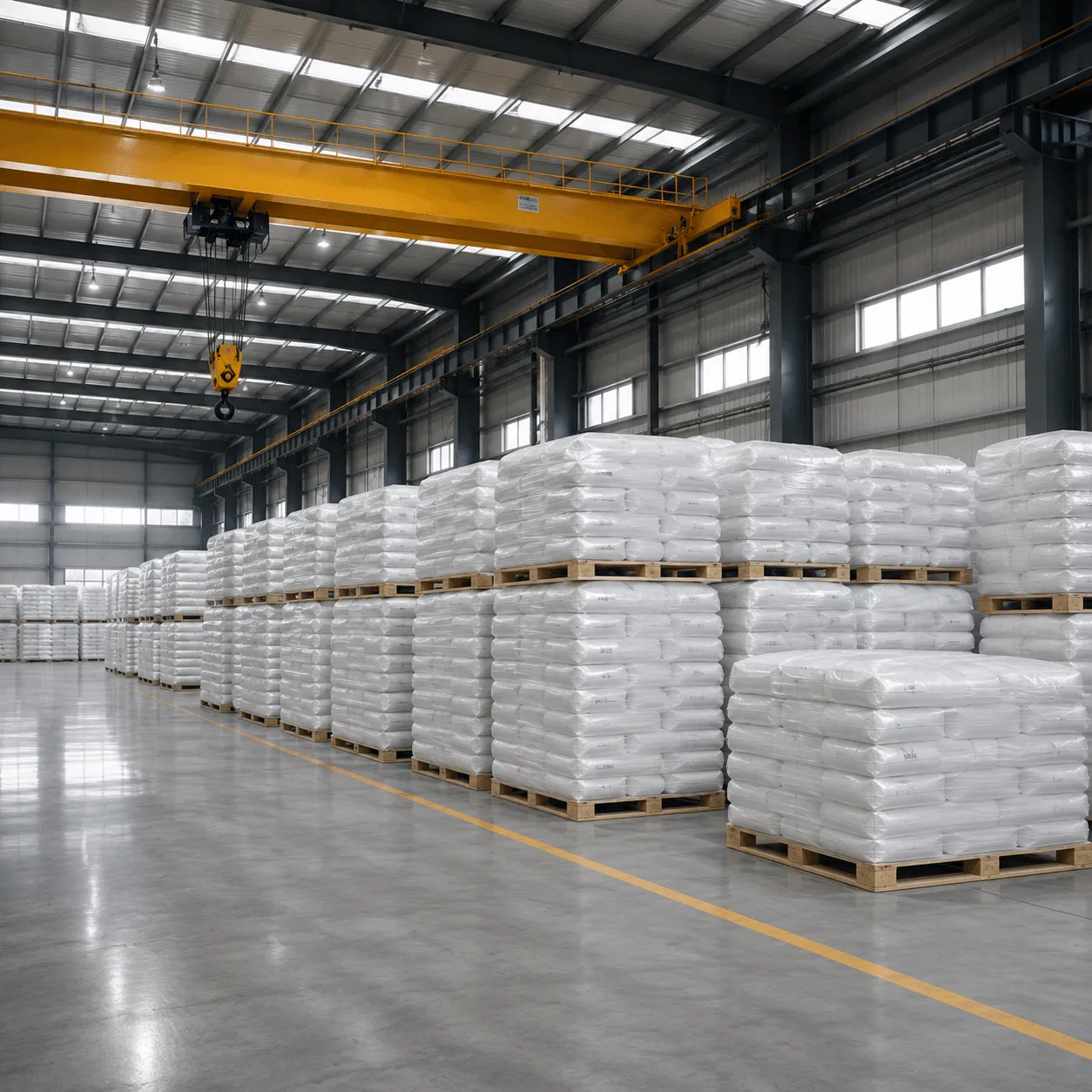
For samples, laboratory trials and controlled manual dosing.
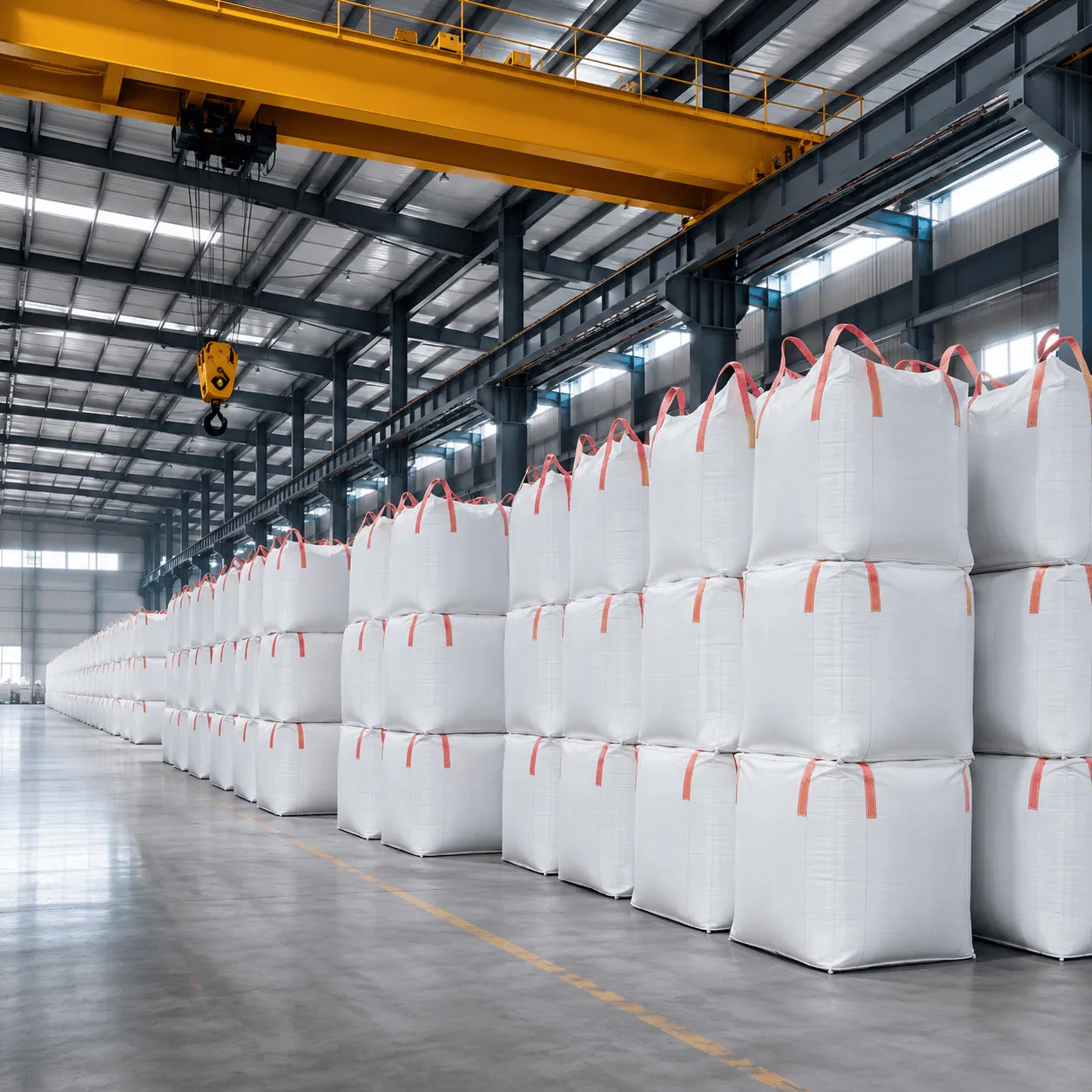
For project use and factory production, with efficient storage and container loading.
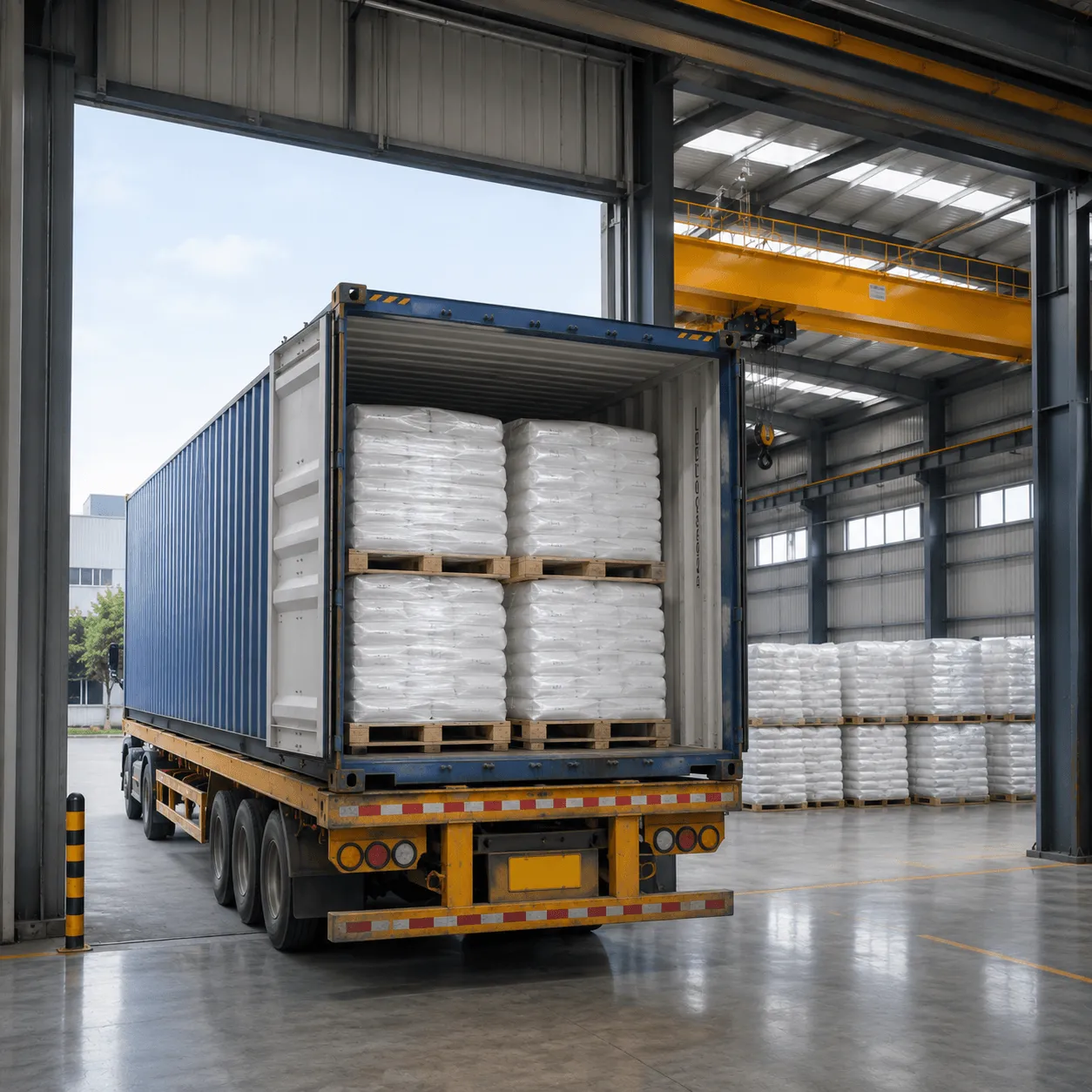
Pallets, liners, marks and documents matched to the route and handling method.
FAQ
Answers to common purchasing questions about packaging, export documents, sample trials, loading and delivery.
It is the cost-effective choice for ready-mix concrete, dry mortar and general refractories, where practical strength, impermeability and durability matter more than ultra-low impurity levels.
Choose it when the specification does not require high-purity ceramic or extreme-temperature performance; moving to 92% or above should be justified by impurity limits or test results.
Undensified here means controlled physical agglomeration, not a chemical binder. With a bulk density of 200–400 kg/m³ it improves loading and handling, while normal mechanical shear breaks the agglomerates down during mixing.
For conventional cementitious systems, 5–10% of total binder is a common trial range. Rebalance water reducer and water-to-binder ratio, then confirm strength, flow and permeability.
Check SiO₂, moisture, loss on ignition, bulk density, particle-size or fineness data and application-relevant activity. Confirm the current lot on the COA and validate it with the actual binder or resin system.
Supply Capacity
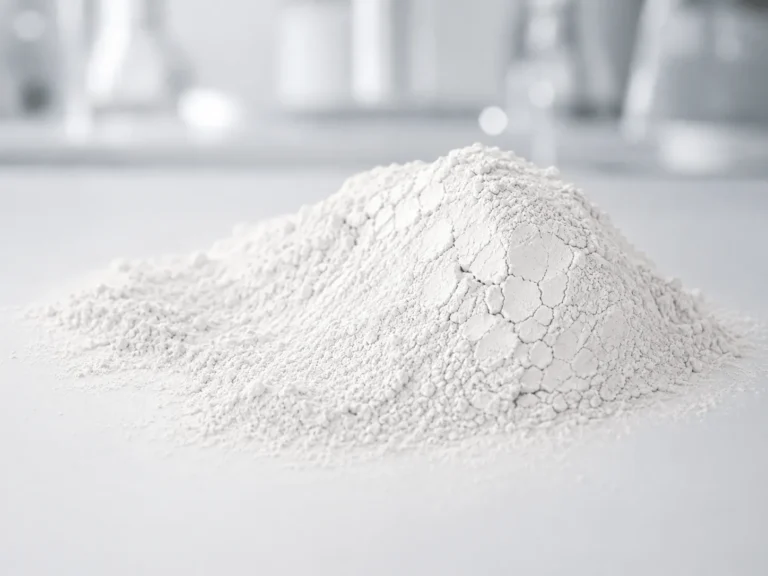
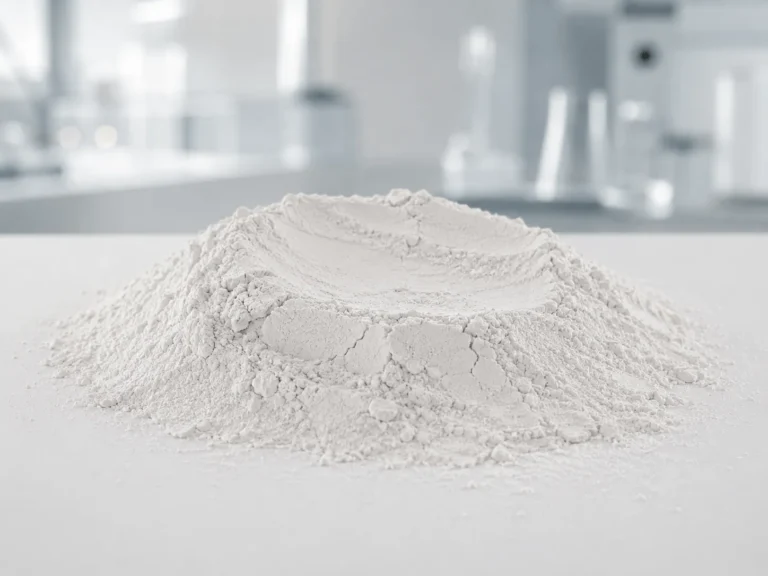
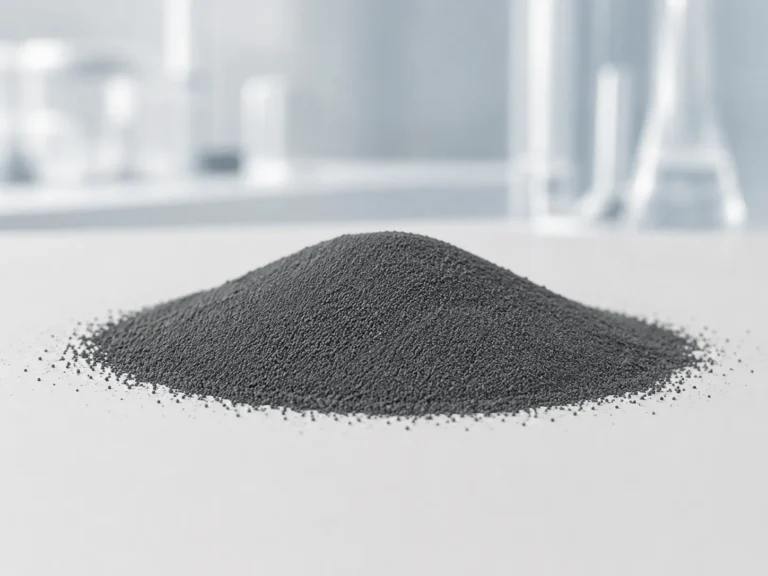
RELATED CONTENT
 知识文章
Silica Fume vs Fly Ash: Key Differences, Performance, Dosage, and Uses
Silica fume and fly ash are two common supplementary cementitious materials used in concrete. Both materials can improve concrete performance. They react with products…
知识文章
Silica Fume vs Fly Ash: Key Differences, Performance, Dosage, and Uses
Silica fume and fly ash are two common supplementary cementitious materials used in concrete. Both materials can improve concrete performance. They react with products…
 知识文章
Microsilica Price per Ton: Cost Factors and Quotation Guide
This article explains why MSILI microsilica does not have one fixed price per ton. It examines how SiO₂ content, product form, application requirements, packaging, order quantity, freight, and Incoterms affect the final quotation, while helping buyers compare suppliers by total purchasing cost instead of the quoted product price alone.
知识文章
Microsilica Price per Ton: Cost Factors and Quotation Guide
This article explains why MSILI microsilica does not have one fixed price per ton. It examines how SiO₂ content, product form, application requirements, packaging, order quantity, freight, and Incoterms affect the final quotation, while helping buyers compare suppliers by total purchasing cost instead of the quoted product price alone.
 知识文章
Microsilica Manufacturer: Products, Applications, and Supplier Selection Guide
This article introduces MSILI as an application-focused microsilica manufacturer and explains its product grades, main applications, quality controls, and technical support. It also shows how buyers can compare microsilica suppliers based on product suitability, test documents, batch consistency, sample performance, and delivery capability rather than price alone.
知识文章
Microsilica Manufacturer: Products, Applications, and Supplier Selection Guide
This article introduces MSILI as an application-focused microsilica manufacturer and explains its product grades, main applications, quality controls, and technical support. It also shows how buyers can compare microsilica suppliers based on product suitability, test documents, batch consistency, sample performance, and delivery capability rather than price alone.
Request a Silica Fume Grade
Share your target performance, formulation, dosage, packing preference and destination. We will recommend a grade, sample plan and supporting test data.