Low-Impurity Control
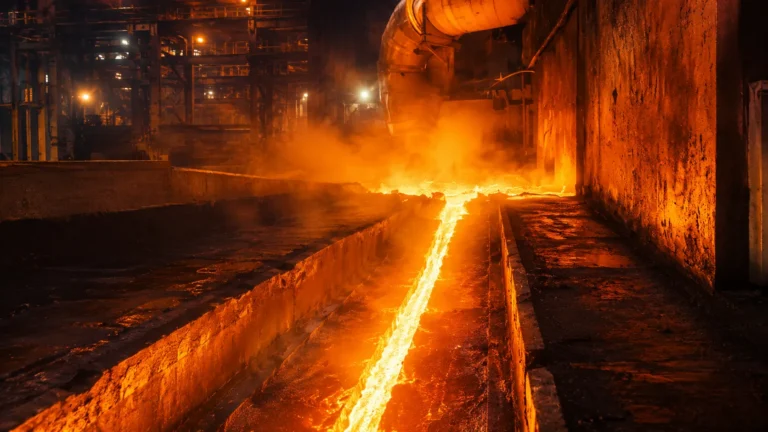
Focus on controlling impurities such as Fe₂O₃, CaO, MgO, Na₂O, and K₂O to minimize their impact on high-temperature phase composition, sintering performance, material color, and refractoriness.
Product Details
Zirconia-Containing Microsilica
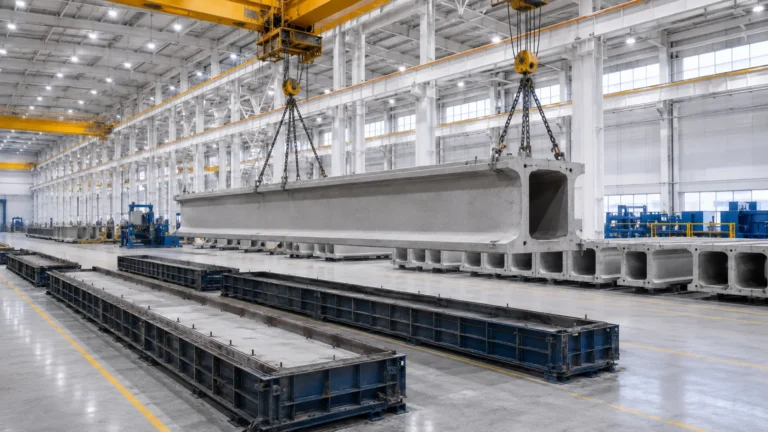
Suitable for low-cement, ultra-low-cement, and cement-free refractory castables, as well as high-temperature precast components and specialty industrial materials that require high standards for raw material purity, impurity control, formulation reproducibility, and batch-to-batch consistency.
Product Overview
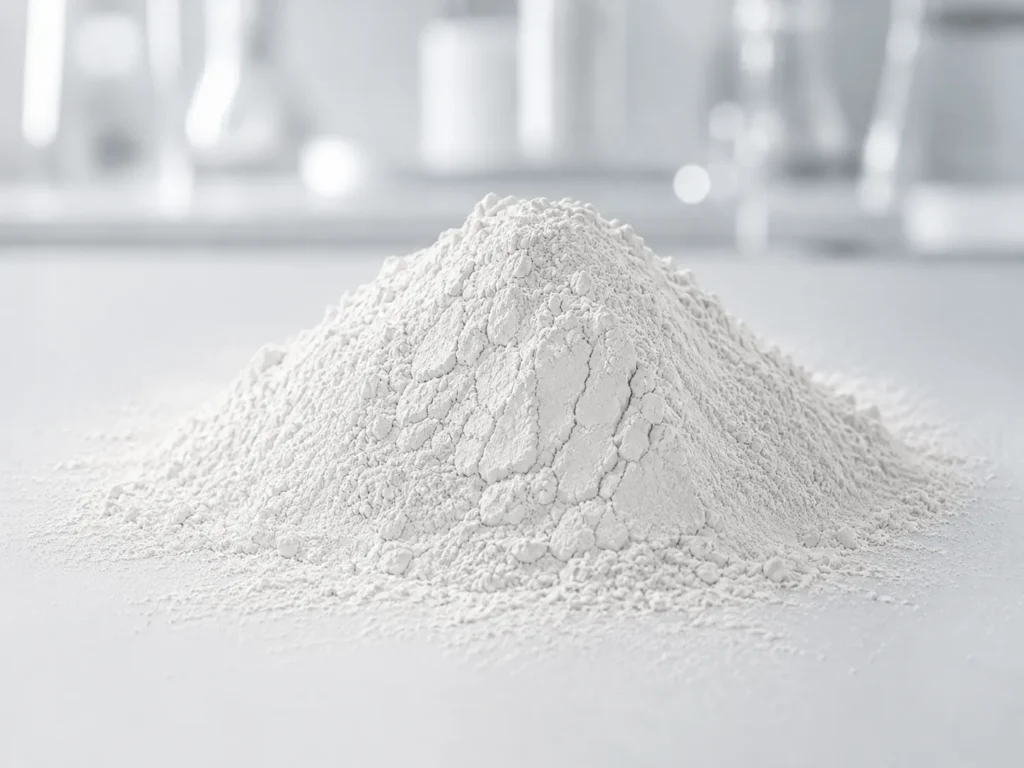
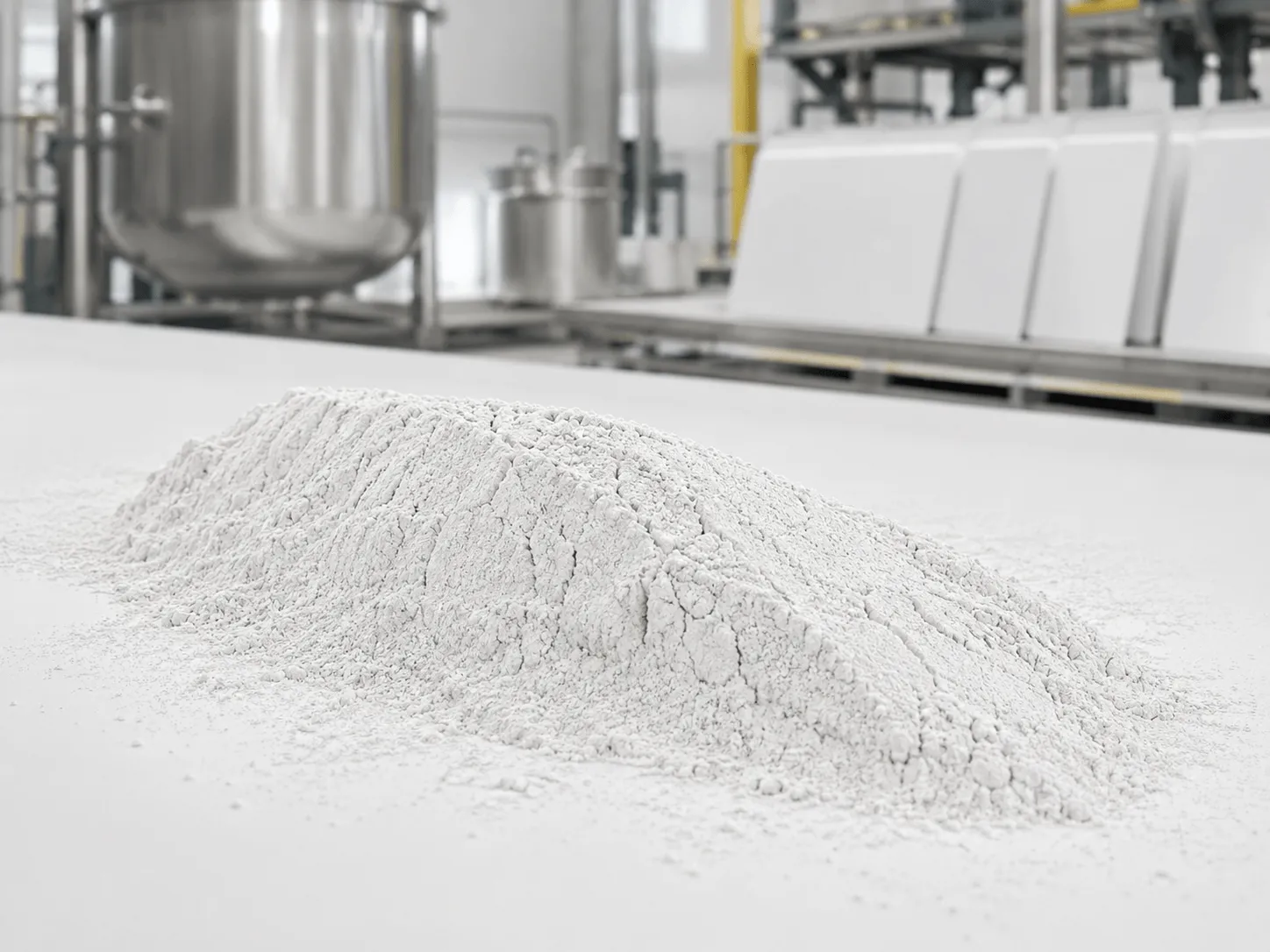
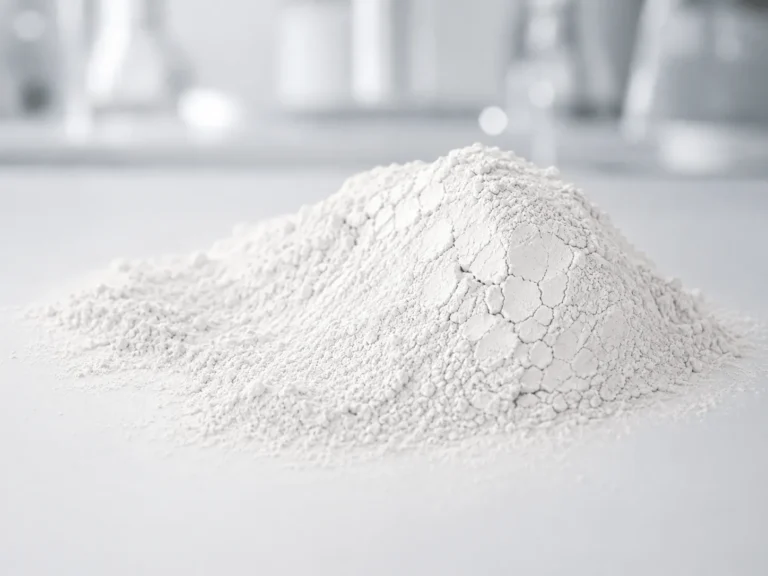
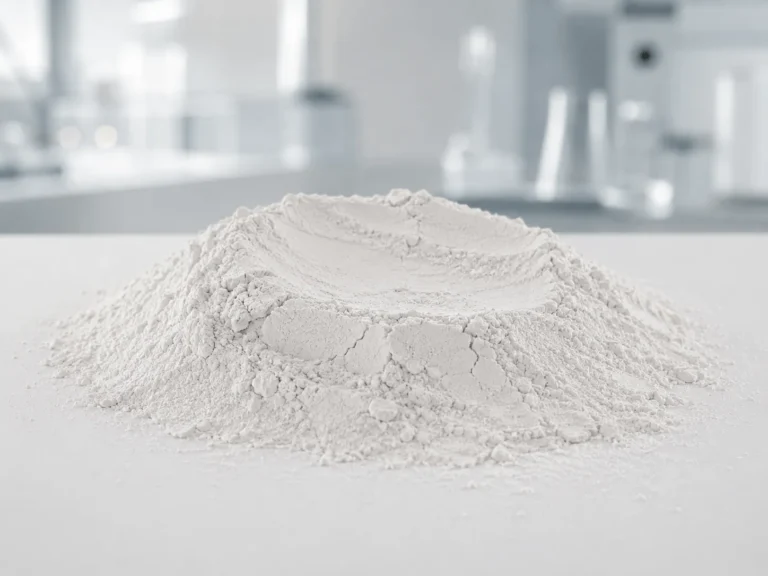
Zr-106 high-purity, low-impurity Zirconia Silica Fume is an ultrafine functional powder composed primarily of amorphous SiO₂, along with ZrO₂ and zirconia-silica composite components.The product focuses on strictly controlling impurities such as iron, calcium, magnesium, alkali metal oxides, and other substances that may affect high-temperature performance. Through raw material screening, classification, homogenization, and batch testing, we ensure consistency in chemical composition, particle size distribution, and performance characteristics.
Product Advantages
Focus on controlling impurities such as Fe₂O₃, CaO, MgO, Na₂O, and K₂O to minimize their impact on high-temperature phase composition, sintering performance, material color, and refractoriness.
By carefully selecting and controlling raw material sources and production processes, we increase the proportion of SiO₂ and effective zirconium-based components while reducing unwanted associated minerals and foreign matter.
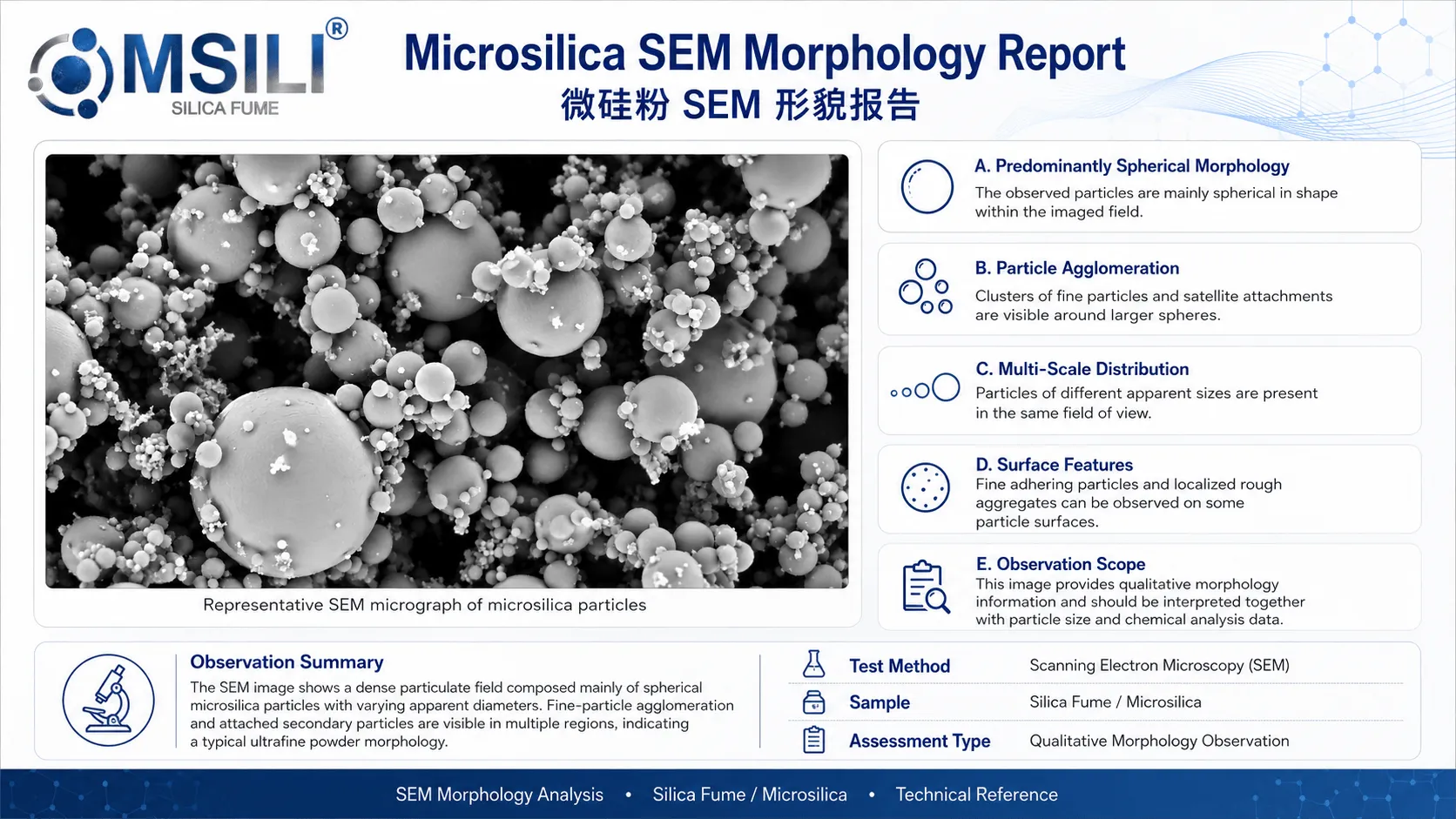
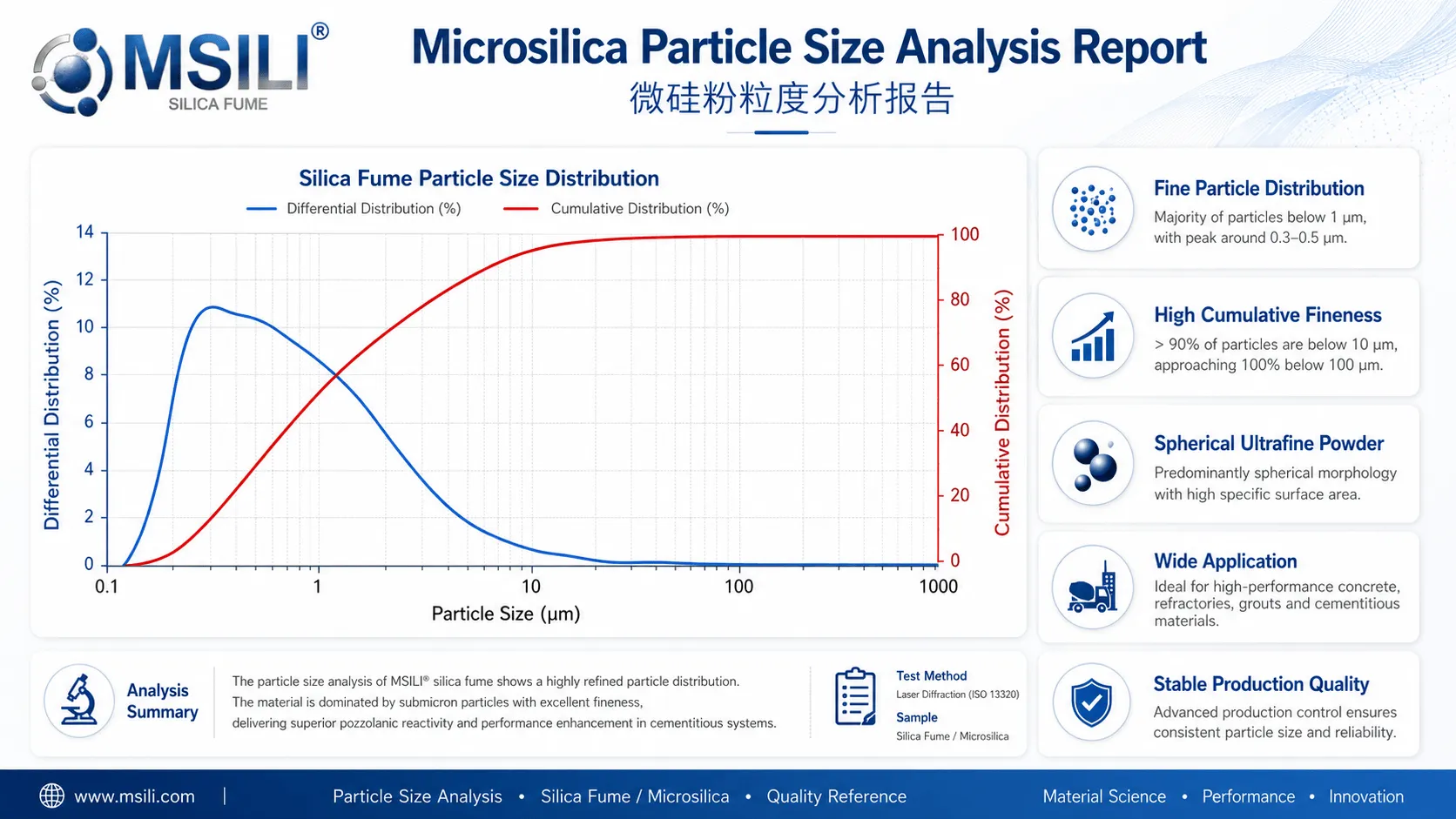
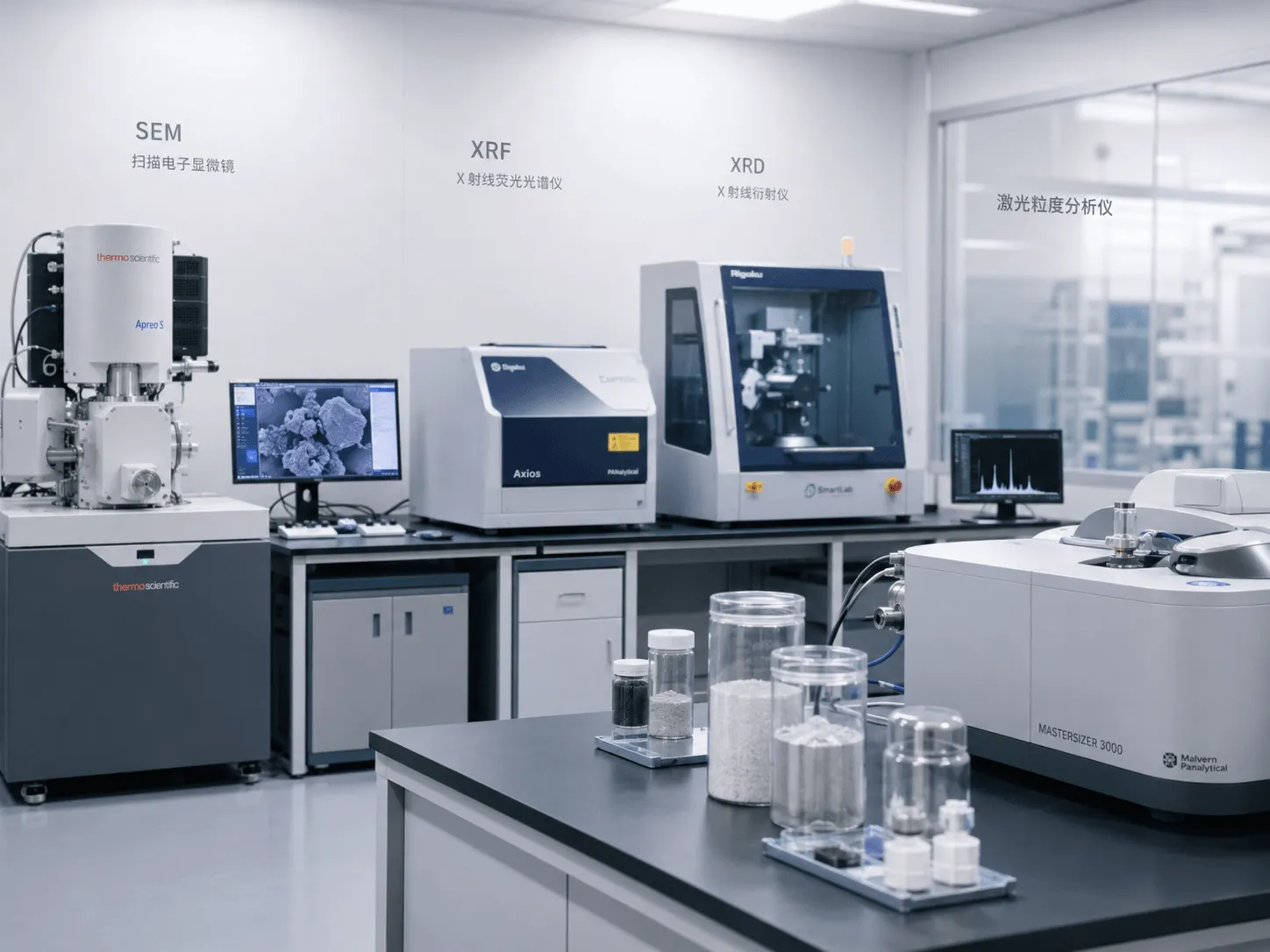
Through production monitoring, representative sampling, and finished product testing, we control fluctuations in chemical composition, particle size, specific surface area, moisture content, and bulk density.
Suitable for refractory material manufacturers and industrial material production lines with high requirements for formulation repeatability, continuous production stability, and consistent finished product quality.
Technical Data
| Test Item | Typical Value | ASTM C1240 |
|---|---|---|
| SiO₂ + ZrO₂ Content | 96.95 % | 85.0 % Minimum |
| Moisture Content | 0.33 % | 3.0% Maximum |
| Loss on Ignition (LOI) | 0.65 % | 6.0% Maximum |
| BET Specific Surface Area | 15,000 m²/Kg | 15,000 m²/Kg |
| Bulk Density | 240-400 Kg/m³ | Regarding encryption and packaging status |
| Average particle size D50 | 1.0 um | Laser Particle Size Analysis |
| 45 μm sieve residue | 1.225 % | 10.0 % Maximum |
| ZrO₂ | 2.87 % | XRF Analysis |
| Al₂O₃ | 0.17 % | XRF Analysis |
| Fe₂O₃ | 0.15 % | XRF Analysis |
| MgO | 0.20 % | XRF Analysis |
| CaO | 0.22 % | XRF Analysis |
| Na₂O+K₂O | 0.103 % | XRF Analysis |
| pH | 2.5 – 5.0 | Testing of aqueous solutions or suspensions |
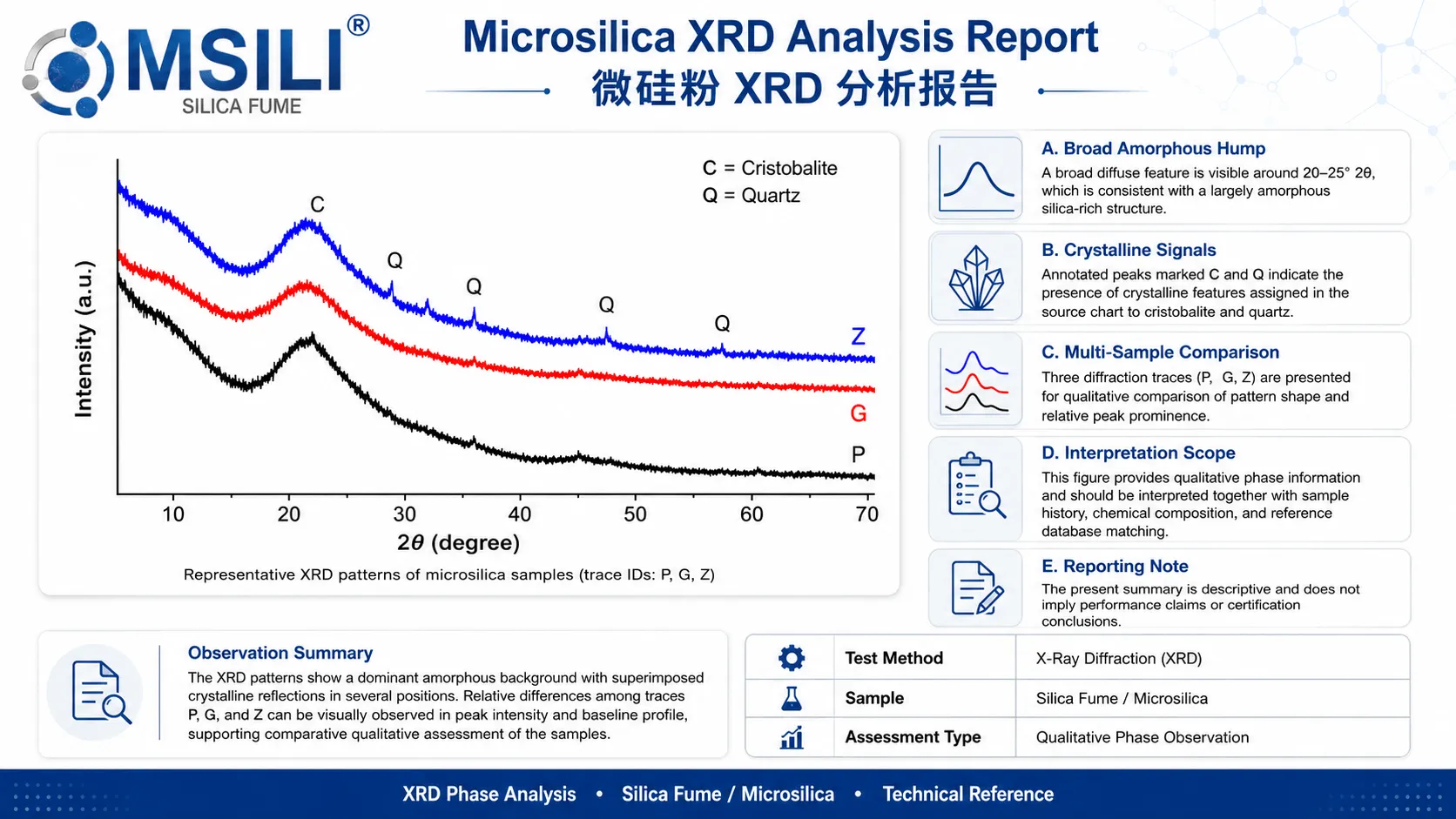
| Major Silica Phases | Amorphous SiO₂ | XRD Analysis |
| Zirconia Phase Composition | ZrO₂ and Zirconia-Silica Composite Phase | XRD Analysis |
The data listed above is for reference only and does not constitute factory control specifications or acceptance criteria. Customers should conduct trials within their own systems to confirm product suitability.
Performance Comparison
Based on existing formulation tests, this section shows reference performance improvement from the micro-filling effect and pozzolanic reaction of silica fume. Actual results vary with matrix type, mix design, dosage, dispersion and process conditions, so sample testing is recommended.
Silica Fume Applications
Suitable for high-alumina, corundum, and corundum-mullite low-cement or ultra-low-cement castables.
Suitable for the formulation development of cement-free, ultra-low-cement, and composite-bonded refractory materials.
Suitable for burner bricks, slag-retaining blocks, wear-resistant blocks, discharge port linings, duct elbows, and other precast components for industrial furnaces and kilns.
High-performance refractory materials suitable for molten iron channels, ladles, torpedo cars, the permanent lining of steel ladles, and high-temperature metal transfer equipment.
Suitable for wear-resistant castables and precast components used in cement kiln mouths, kiln door covers, tertiary air ducts, grate coolers, and high-temperature air ducts.
It can be used in ceramic-based materials, heat-resistant composites, and other high-temperature industrial products that require high purity, specific color, sintering stability, and batch consistency.
Quality Control
Packaging and Logistics
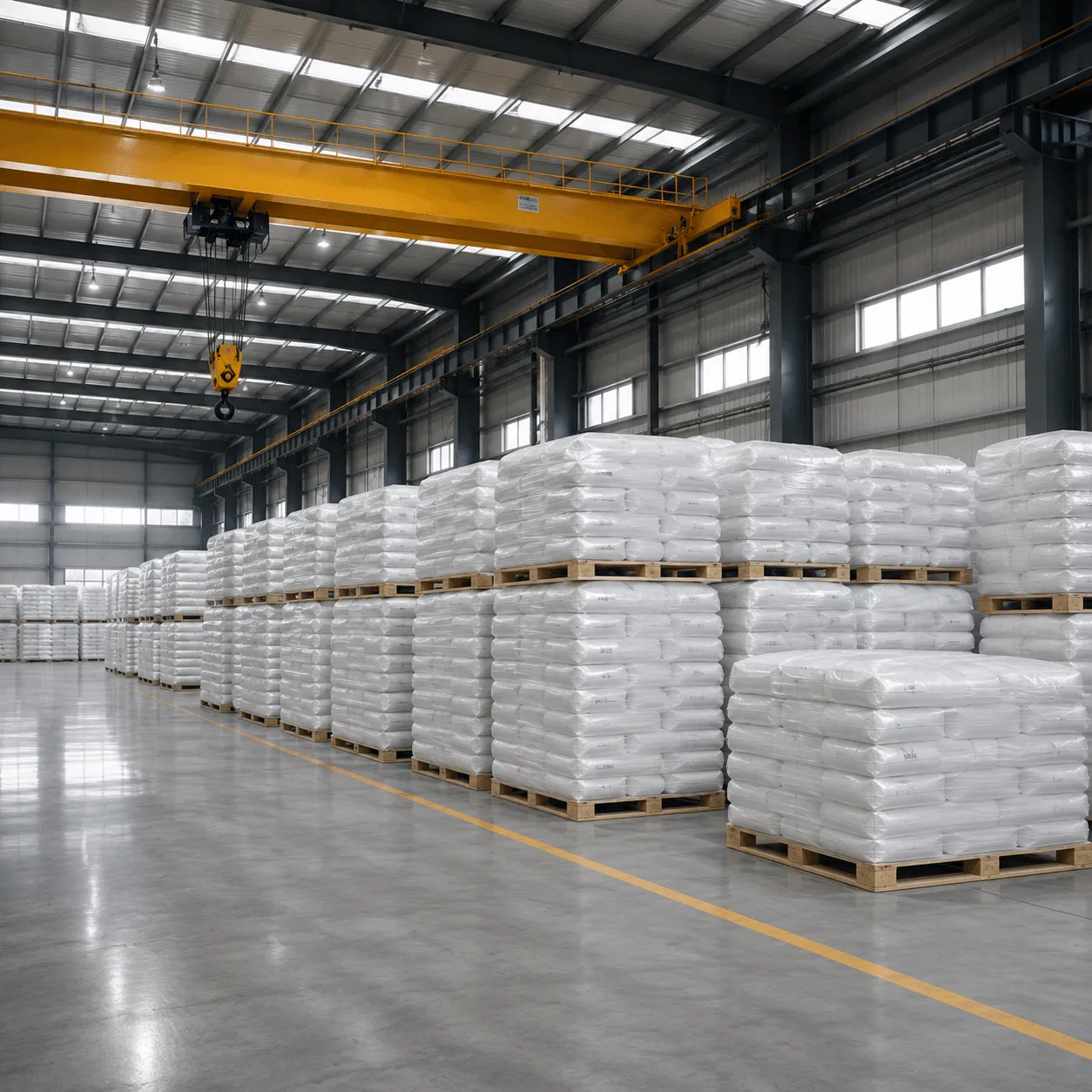
Suitable for small batches, experiments, and sporadic use.
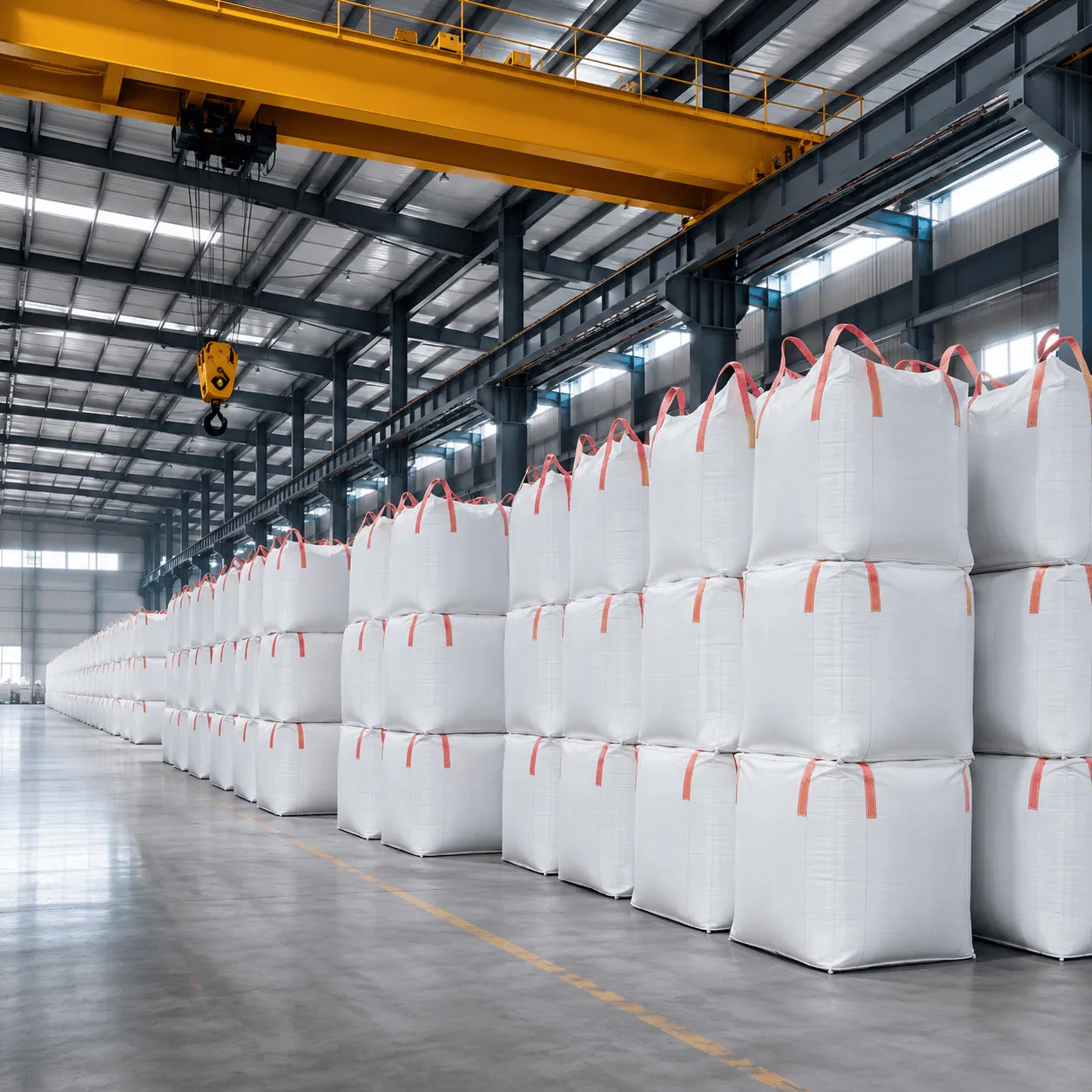
Suitable for engineering projects and industrial use, and designed to accommodate both container loading and transshipment.
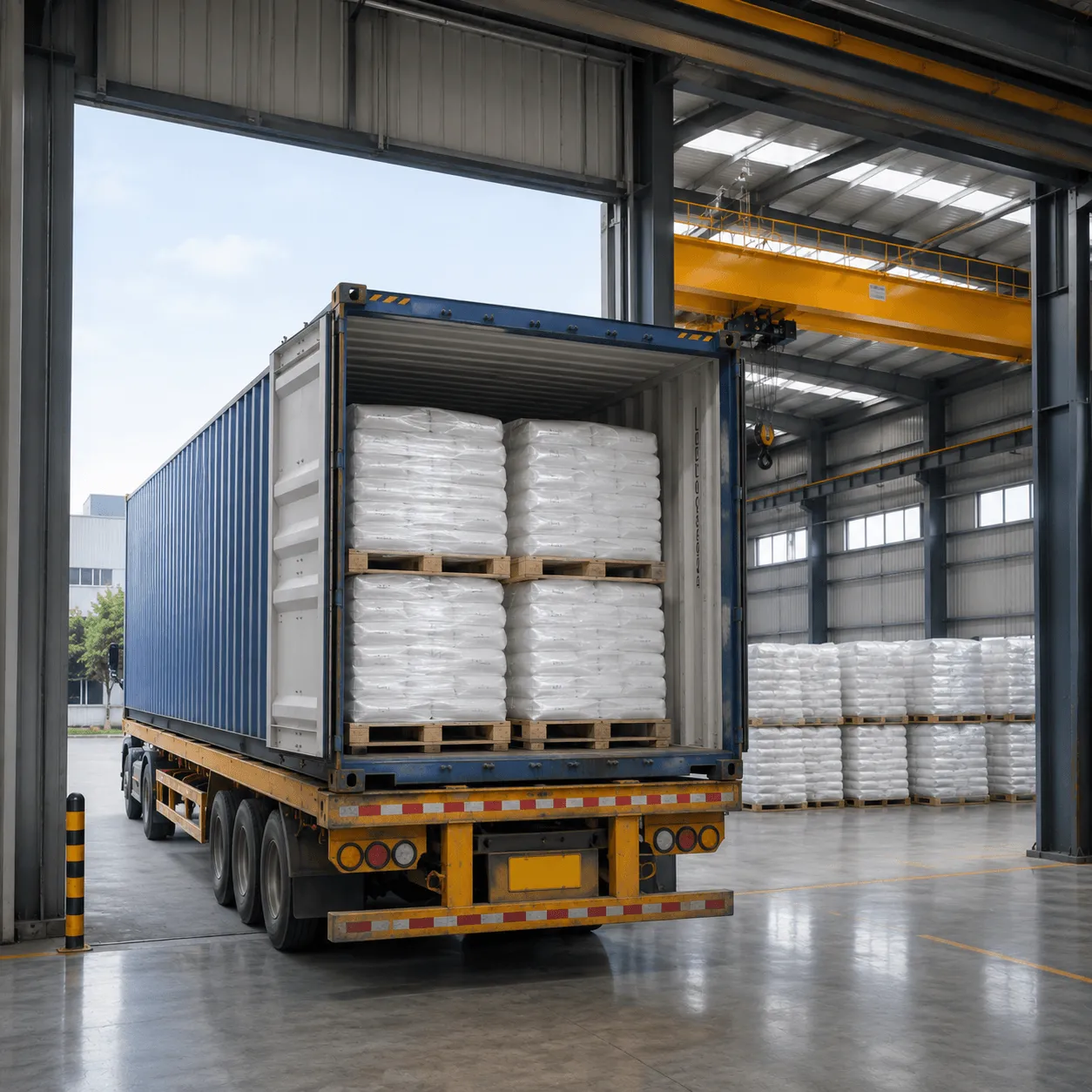
Match pallets, labels, inner liners, and export documentation according to project requirements.
FAQ
Answers to common purchasing questions about packaging, export documents, sample trials, loading and delivery.
Zr-106 is an ultrafine functional powder primarily composed of amorphous silicon dioxide (SiO₂) and incorporating zirconium oxide (ZrO₂) and zirconium-silicon composite components. As the benchmark of our high-end Microsilica series, Zr-106’s core advantage lies in its exceptional impurity control. Through rigorous raw material screening and classification processes, we have reduced harmful impurities—such as iron (Fe), calcium (Ca), magnesium (Mg), and alkali metal oxides—to extremely low levels, fundamentally eliminating the common issue with ordinary Microsilica, which is prone to producing low-melting-point substances at ultra-high temperatures, leading to material softening and deformation.
In environments with extreme high temperatures or severe wear, trace impurities are the “main culprits” causing refractory failure. At high temperatures, iron, calcium, and alkali metal oxides readily undergo side reactions with SiO₂, forming low-melting-point phases (such as calcium silicate and iron silicate), which significantly reduce the refractory’s load-softening temperature and resistance to slag erosion. Through precise control of its chemical composition, Zr-106 ensures the powder’s chemical inertness at high temperatures, thereby guaranteeing an exceptionally long service life for high-performance kiln linings.
Many buyers often encounter issues with the flowability of refractory castables fluctuating due to variations in Silica Fume batches. Zr-106 has implemented a comprehensive quality control system throughout the entire production process: through rigorous fine grading, advanced physical classification technology, and stringent batch-release testing, it ensures that the chemical composition, true density, and particle size distribution (PSD) of each batch remain stable, thereby controlling the risk of formulation fluctuations at the source.
Although both are high-end Zirconia Silica Fumes, they have different focuses: Zr-105: Emphasizes providing ultimate “phase transformation toughening” and thermal shock crack resistance through a zirconium eutectic structure, making it ideal for areas subject to severe thermal shock. Zr-106: builds upon this foundation by further enhancing its “high-purity, low-impurity” characteristics. Not only does it offer an ultrafine filler effect, but by removing trace impurities that affect high-temperature performance, it demonstrates unparalleled stability compared to conventional Silica Fume in industrial furnace linings subjected to long-term static loading at ultra-high temperatures, as well as in applications requiring resistance to erosion and corrosion in specific chemical atmospheres.
For export operations, Zr-106 offers an undensified Silica Fume specification to balance construction performance with logistics costs. Unprocessed ultrafine powders are highly prone to dust generation and have low bulk density. However, the processed Zr-106 not only significantly improves bulk density—reducing storage and long-distance transportation costs—but, more importantly, enhances pneumatic conveying efficiency and dispersion in modern, fully automated mixing systems, effectively controlling agglomeration and dust generation in ultrafine powders.
When evaluating the market price of Zr-106 Silica Fume, it is essential to recognize that it is a high-purity, customized specialty functional powder, and its market price is independent of the price per metric ton of bulk 85 Silica Fume or conventional 90 Silica Fume. The price of Zr-106 is primarily determined by the screening costs of high-purity zirconium silicate raw materials, the complexity and energy consumption of multi-stage screening and impurity removal processes, and the costs of batch testing. Given its ability to significantly reduce the frequency of kiln shutdowns for maintenance, it offers an extremely high overall cost-effectiveness. For the latest and most accurate quotes, we recommend contacting MSILI, the source manufacturer of Silica Fume, directly to inquire about their factory-direct pricing policies.
Supply Capacity
RELATED CONTENT
 知识文章
Silica Fume vs Fly Ash: Key Differences, Performance, Dosage, and Uses
Silica fume and fly ash are two common supplementary cementitious materials used in concrete. Both materials can improve concrete performance. They react with products…
知识文章
Silica Fume vs Fly Ash: Key Differences, Performance, Dosage, and Uses
Silica fume and fly ash are two common supplementary cementitious materials used in concrete. Both materials can improve concrete performance. They react with products…
 知识文章
Microsilica Price per Ton: Cost Factors and Quotation Guide
This article explains why MSILI microsilica does not have one fixed price per ton. It examines how SiO₂ content, product form, application requirements, packaging, order quantity, freight, and Incoterms affect the final quotation, while helping buyers compare suppliers by total purchasing cost instead of the quoted product price alone.
知识文章
Microsilica Price per Ton: Cost Factors and Quotation Guide
This article explains why MSILI microsilica does not have one fixed price per ton. It examines how SiO₂ content, product form, application requirements, packaging, order quantity, freight, and Incoterms affect the final quotation, while helping buyers compare suppliers by total purchasing cost instead of the quoted product price alone.
 知识文章
Microsilica Manufacturer: Products, Applications, and Supplier Selection Guide
This article introduces MSILI as an application-focused microsilica manufacturer and explains its product grades, main applications, quality controls, and technical support. It also shows how buyers can compare microsilica suppliers based on product suitability, test documents, batch consistency, sample performance, and delivery capability rather than price alone.
知识文章
Microsilica Manufacturer: Products, Applications, and Supplier Selection Guide
This article introduces MSILI as an application-focused microsilica manufacturer and explains its product grades, main applications, quality controls, and technical support. It also shows how buyers can compare microsilica suppliers based on product suitability, test documents, batch consistency, sample performance, and delivery capability rather than price alone.
Request a Silica Fume Grade
Please provide us with the target strength, construction method, dosage, packaging, and destination port, and we will recommend samples and product grades based on your specific application.