Denser matrix
Fills microvoids and refines particle packing.
Silica fume grade
Undensified Silica Fume
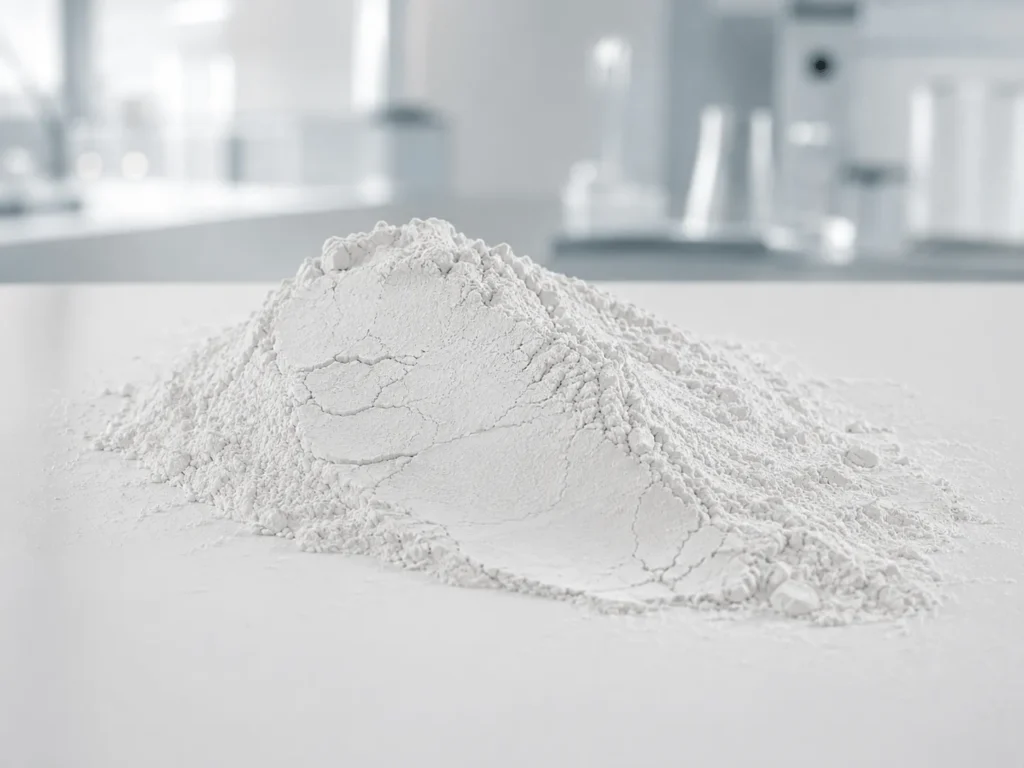
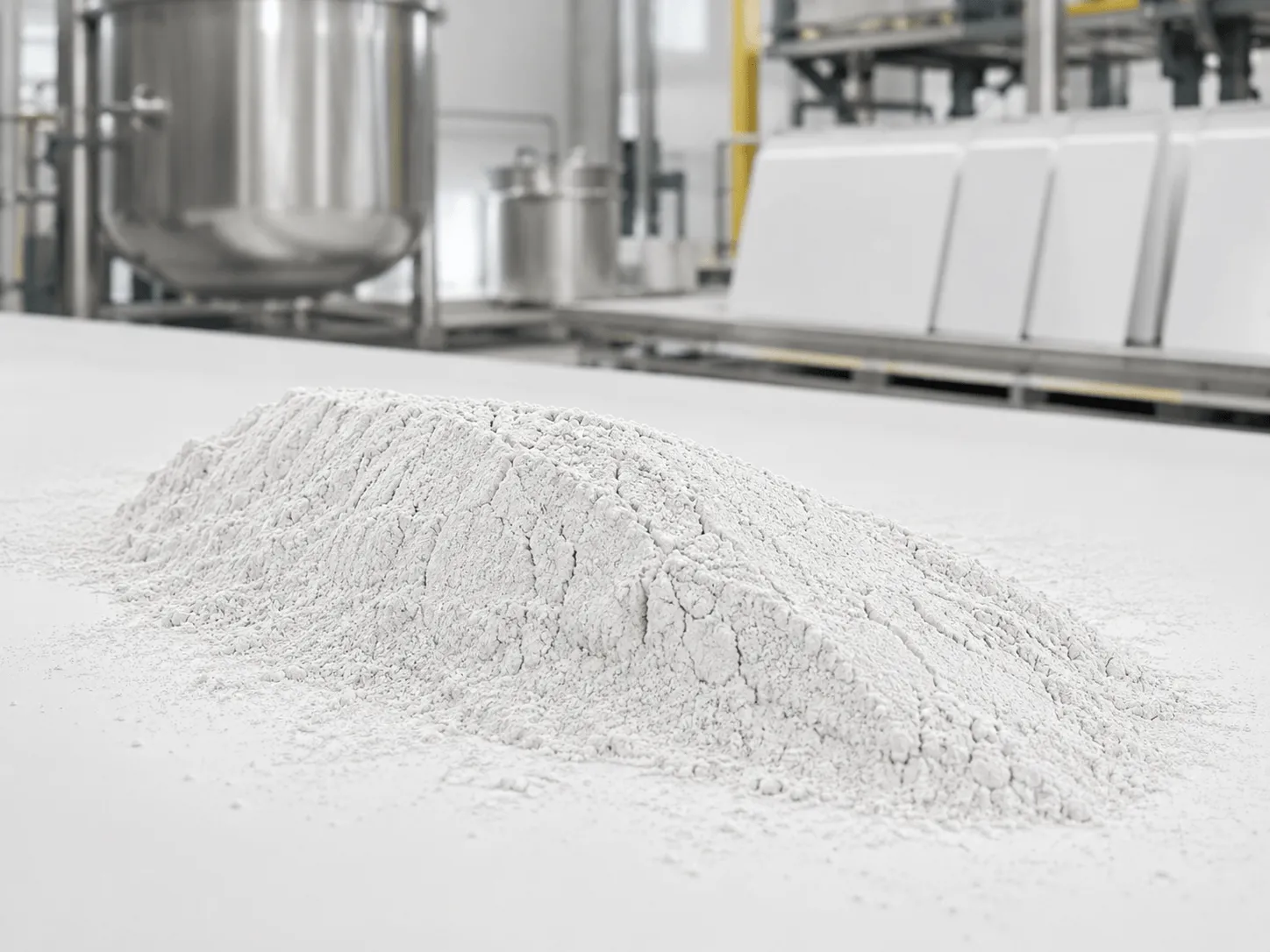
A 99% SiO₂ undensified silica fume engineered for precision ceramics and purity-sensitive composites. Its controlled agglomeration improves handling and transport while allowing rapid dispersion under normal mixing shear.
Product Overview
A 99% SiO₂ undensified silica fume engineered for precision ceramics and purity-sensitive composites. Its controlled agglomeration improves handling and transport while allowing rapid dispersion under normal mixing shear.
Fine amorphous particles fill capillary voids and support pozzolanic or ceramic bonding. Batch control covers chemistry, moisture, loss on ignition and bulk density (200–400 kg/m³). Ask MSILI to match the grade to your binder, dosage and process before scale-up.
Product Advantages
Fills microvoids and refines particle packing.
Breaks down under normal mechanical shear without chemical binders.
Can improve strength, impermeability and service durability when correctly formulated.
COA-backed lots and packaging options for trials or bulk production.
Technical Data
| Test Item | Typical Value | ASTM C1240 |
|---|---|---|
| SiO₂ Content | >= 99% | 85.0 % Minimum |
| Moisture Content | <= 1.0% | 3.0% Maximum |
| Loss on Ignition | <= 1.0% | 6.0% Maximum |
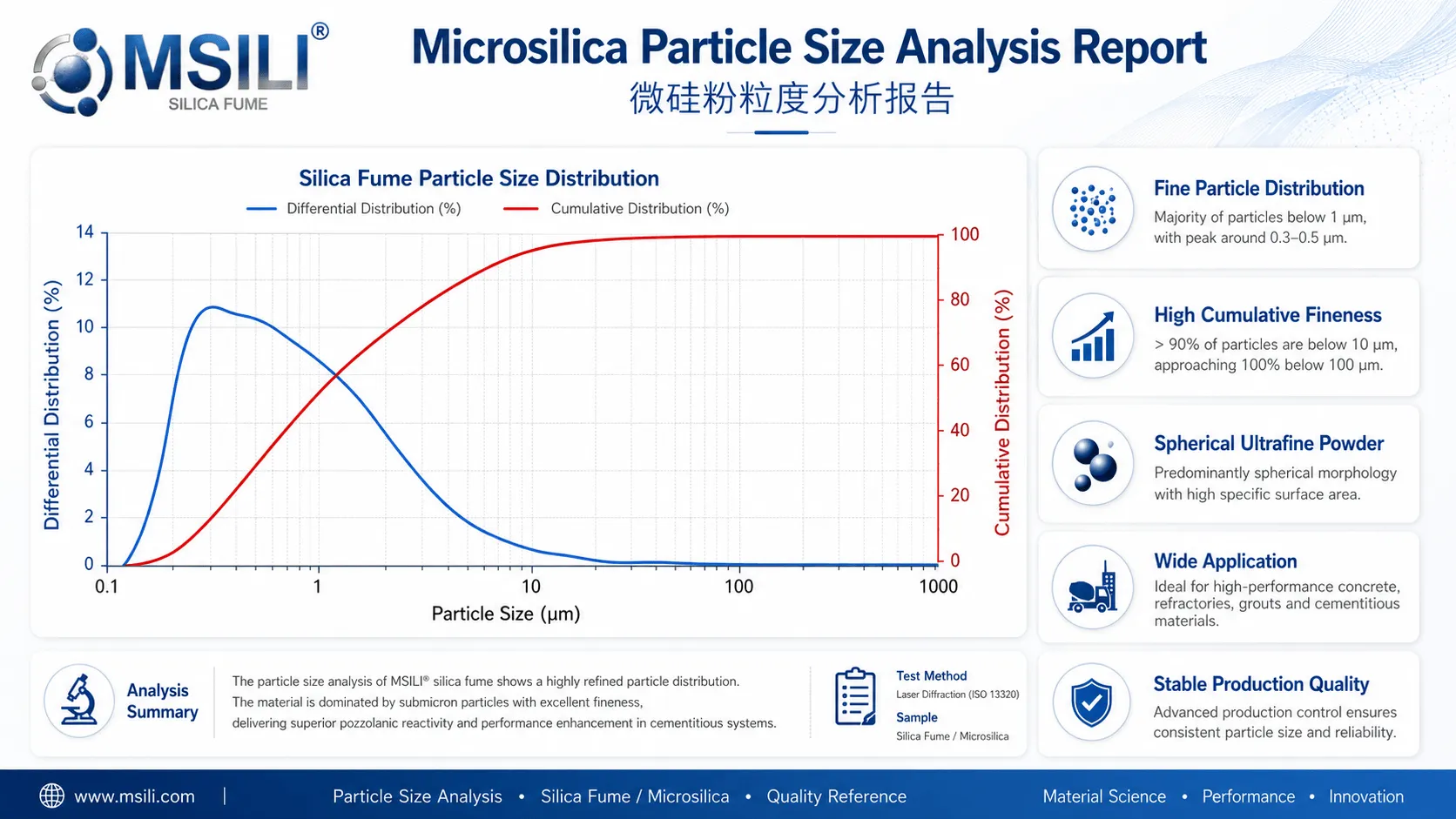
| Specific Surface Area | 15,000-25,000 m²/Kg | 15,000 m²/Kg Minimum |
| Bulk Density | 200-400 Kg/m³ | - |
| Activity Index (7 Days) | >= 115% | 105.0 % Minimum |
| Activity Index (28 Days) | >=121 % | - |
| Average Particle Size | 1.0 um | - |
| 45 µm Sieve Residue | 3.0 % | 10.0 % Maximum |
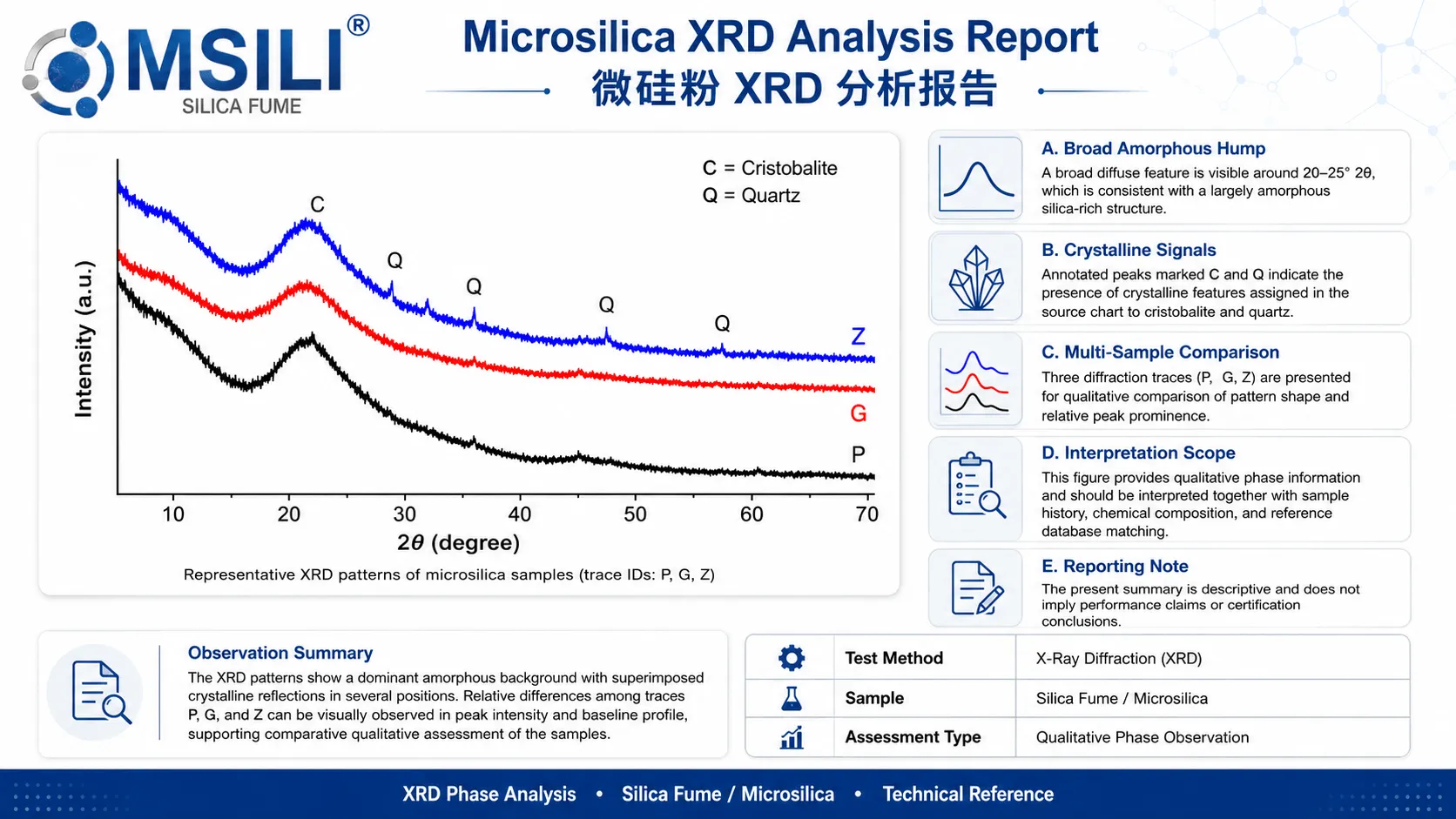
| Spherical Particle Content | >= 80% | - |
The data listed above is for reference only and does not constitute factory control specifications or acceptance criteria. Customers should conduct trials within their own systems to confirm product suitability.
Performance Comparison
Based on existing formulation tests, this section shows reference performance improvement from the micro-filling effect and pozzolanic reaction of silica fume. Actual results vary with matrix type, mix design, dosage, dispersion and process conditions, so sample testing is recommended.
Silica Fume Applications
Improves microfilling, interface bonding and matrix density in ceramic-matrix and other inorganic composite systems.
Supports forming density and sintered structure in mullite, alumina composites, porous ceramics and precision components.
Reduces the influence of iron, alkalis and other impurities on sintering reactions, phase composition and stability.
Acts as an inorganic functional filler to support dimensional stability, heat resistance, hardness and wear resistance.
Suitable for selected encapsulation, potting and heat-resistant insulation systems subject to application-specific ionic and conductive-impurity limits.
Supports matrix density and ceramic bonding in high-purity corundum, mullite and specialty low- or zero-cement systems.
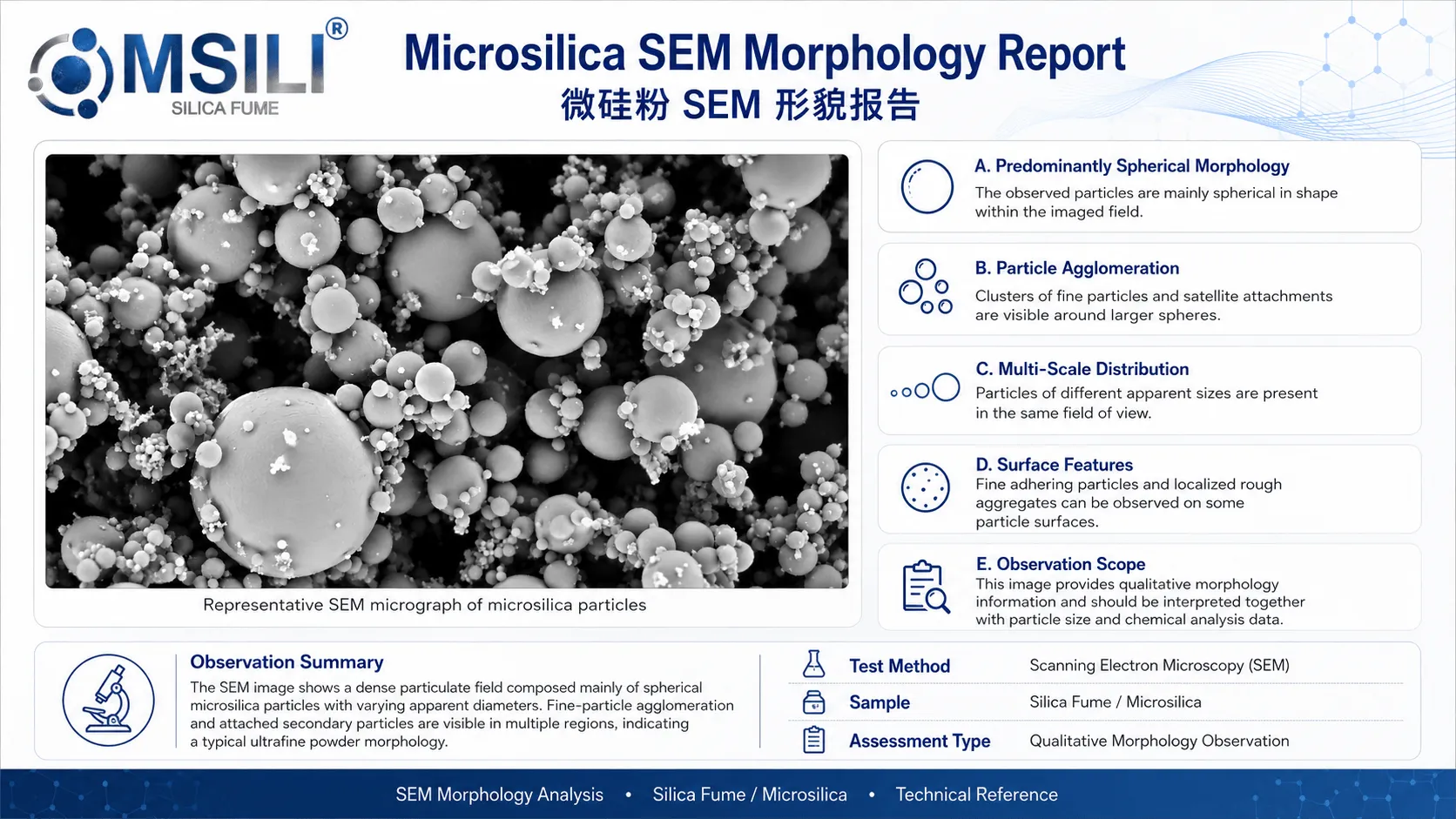
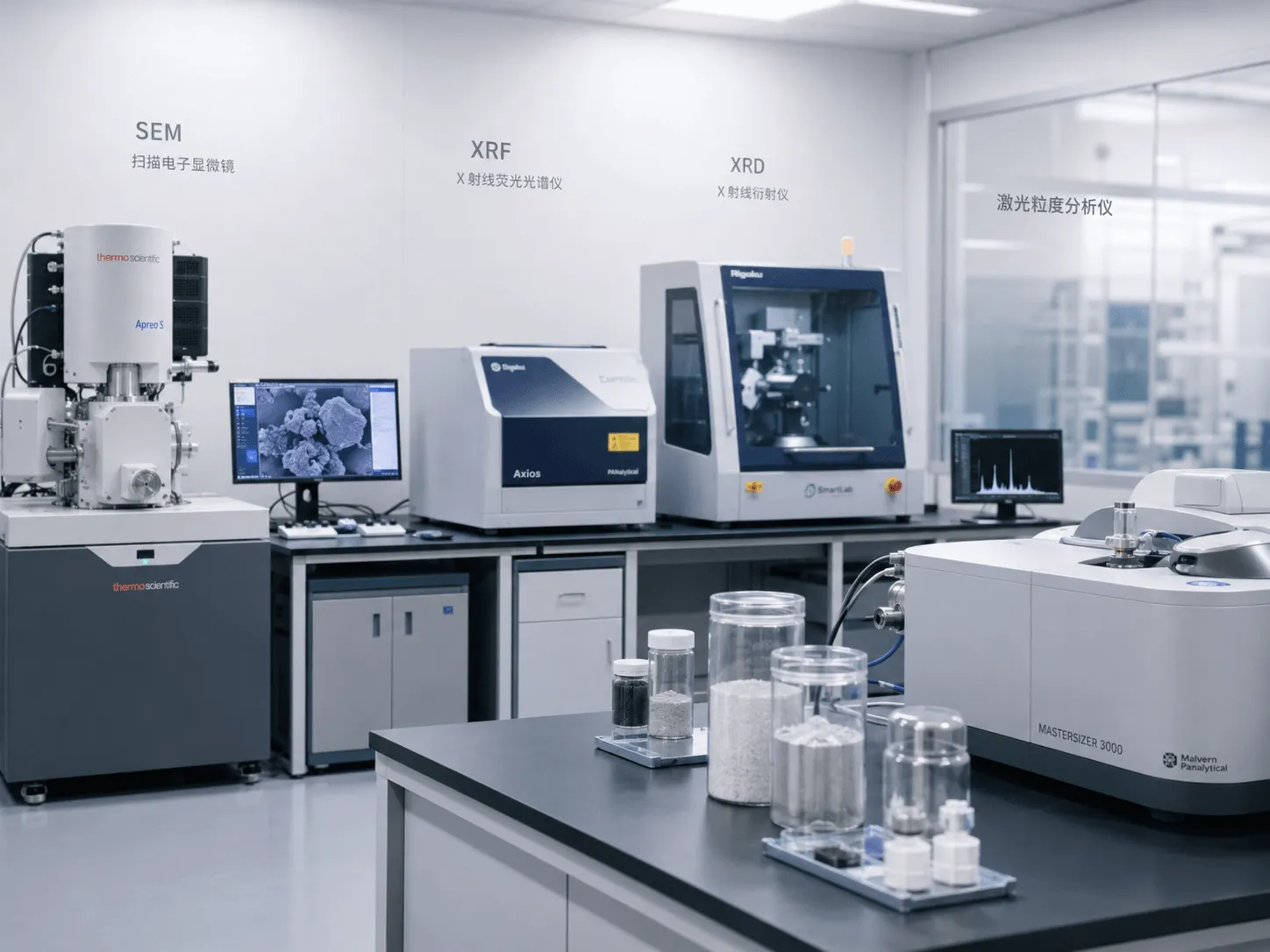
Quality Control
Packaging and Logistics
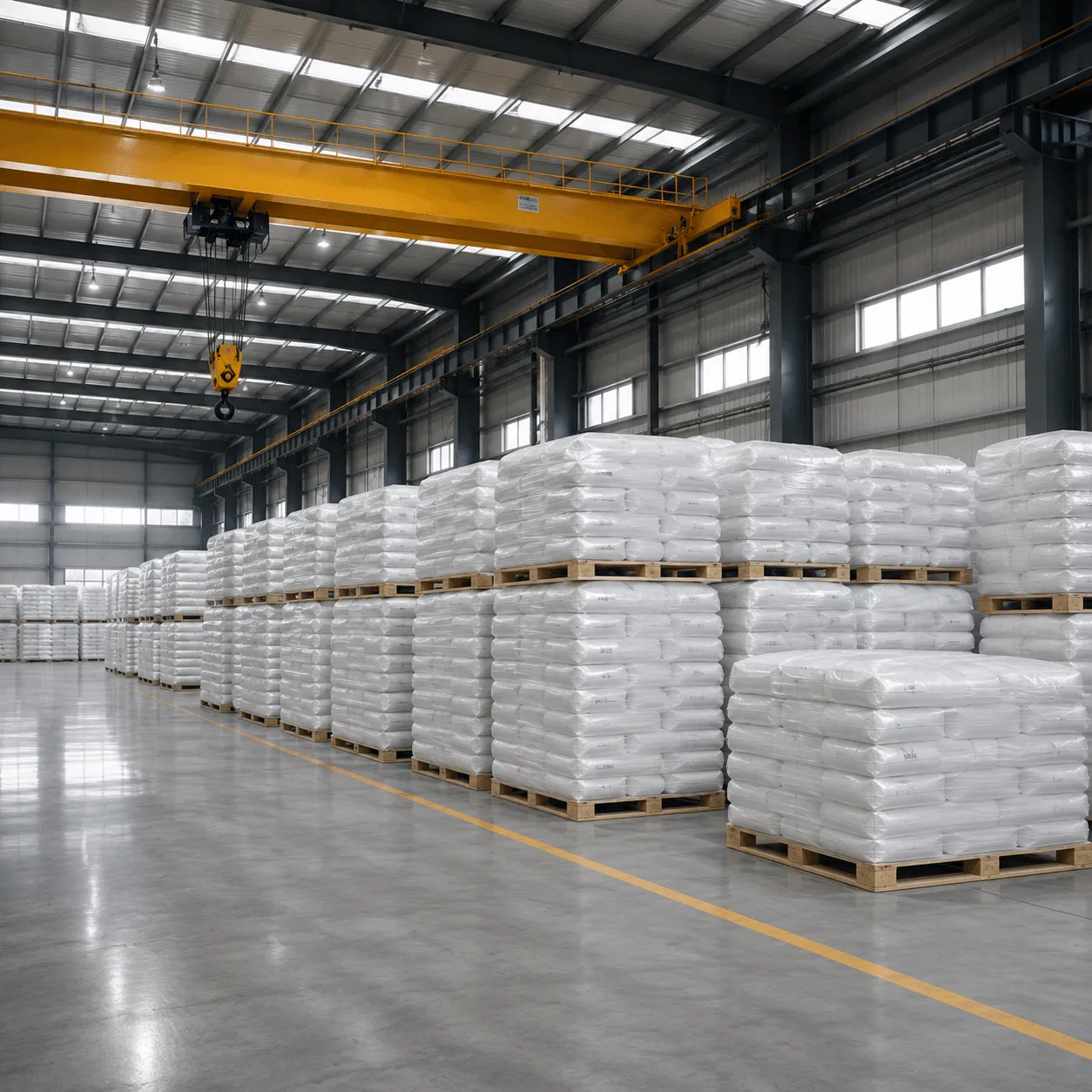
For samples, laboratory trials and controlled manual dosing.
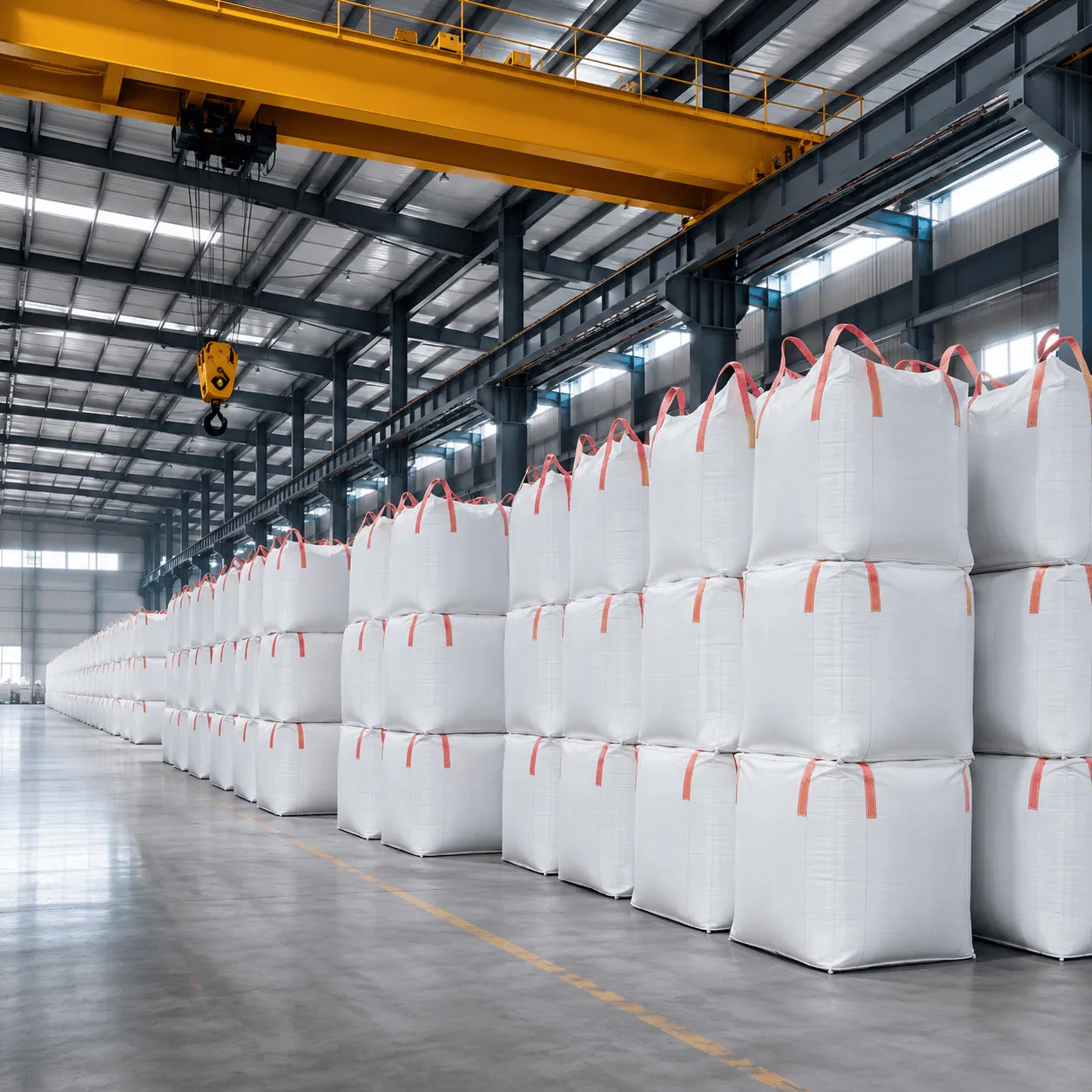
For project use and factory production, with efficient storage and container loading.
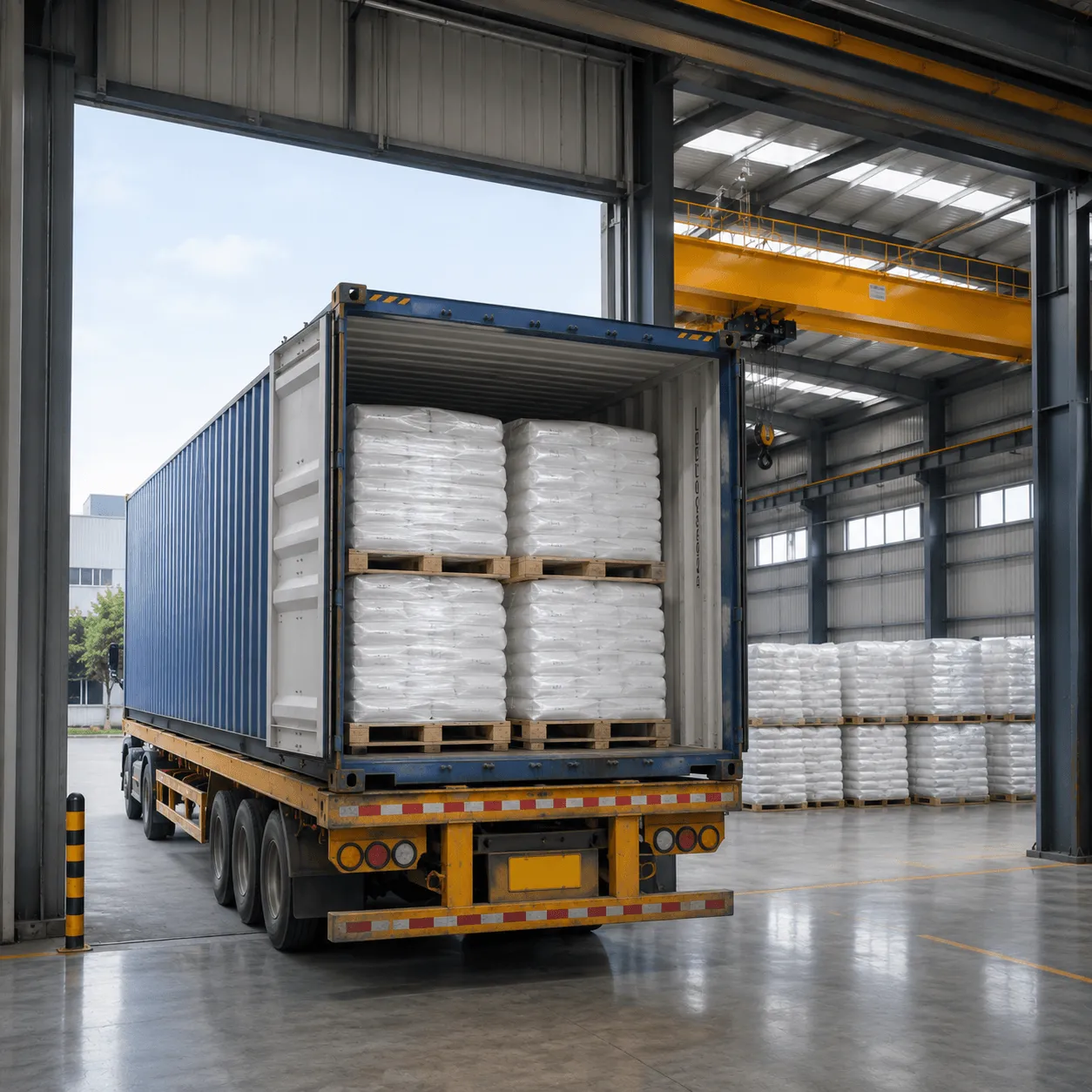
Pallets, liners, marks and documents matched to the route and handling method.
FAQ
Answers to common purchasing questions about packaging, export documents, sample trials, loading and delivery.
The core challenge lies in how impurities compromise the high-temperature and electrical properties of ceramics. With a silicon dioxide purity of 99%, trace impurities such as iron, free carbon, and alkali metals (sodium, potassium) are controlled to minimal levels. This completely prevents the formation of low-melting-point glass phases during high-temperature sintering of ceramics, thereby significantly enhancing the high-temperature flexural strength of structural ceramics and ensuring that electronic ceramics (such as alumina and silicon nitride ceramics) possess exceptional insulation properties and low dielectric loss.
In advanced resin-based composites, 99% Silica Fume—as a top-tier inorganic nanoscale functional filler—can significantly reduce the system’s coefficient of thermal expansion (CTE) and minimize thermal stress cracking. At the same time, its perfect amorphous spherical structure imparts exceptional rheological properties and thixotropy to the matrix, preventing filler settling and greatly enhancing the material’s wear resistance and dimensional stability, all without affecting the system’s electrical insulation properties.
Whether for high-precision ceramics or specialty composite materials, production facilities (typically Class 100,000 or even Class 10,000 cleanrooms) have a “zero-tolerance” policy toward dust contamination. Unprocessed 99% Silica Fume is extremely lightweight, causing severe dust dispersion during feeding—which not only pollutes the environment but also leads to inaccuracies in the actual feed quantities of precision formulations. Purely physical “Undensified” processing not only reduces volume but also ensures dust-free handling and precise weighing and feeding, making it a standard feature of high-end automated production lines.
Absolutely not. The undensified process involves purely physical electrostatic agglomeration; absolutely no chemical binders are added. When the powder enters a ceramic ball mill, or undergoes high-shear mixing with resin or three-roll milling, these micro-agglomerates instantly and completely disaggregate, perfectly reverting to submicron-sized individual particles. They disperse uniformly throughout the entire system, fully unleashing their ultra-high specific surface area, and never form “dead lumps” or stress concentration points.
99% high-purity Silica Fume possesses extremely high surface activity and a nanoscale microporous filling effect. During the green body forming stage, it significantly increases the bulk density of the green body and reduces internal porosity. During the high-temperature sintering stage, its high reactivity helps promote solid-state reactions and can even moderately lower the sintering temperature, thereby effectively controlling and significantly reducing the sintering shrinkage of the product, ensuring absolute dimensional accuracy for irregularly shaped parts and precision thin-walled ceramics.
For customers requiring specialty-grade materials, we utilize a fully enclosed, dedicated production line and dust collection system to completely eliminate cross-contamination between product categories. Before shipment, products undergo high-precision XRF spectral elemental analysis to measure trace impurities and are rigorously tested for loss on ignition (LOI). We can provide customized test reports for your materials to ensure consistency in every R&D test and batch production run.
Supply Capacity
RELATED CONTENT
 知识文章
Silica Fume vs Fly Ash: Key Differences, Performance, Dosage, and Uses
Silica fume and fly ash are two common supplementary cementitious materials used in concrete. Both materials can improve concrete performance. They react with products…
知识文章
Silica Fume vs Fly Ash: Key Differences, Performance, Dosage, and Uses
Silica fume and fly ash are two common supplementary cementitious materials used in concrete. Both materials can improve concrete performance. They react with products…
 知识文章
Microsilica Price per Ton: Cost Factors and Quotation Guide
This article explains why MSILI microsilica does not have one fixed price per ton. It examines how SiO₂ content, product form, application requirements, packaging, order quantity, freight, and Incoterms affect the final quotation, while helping buyers compare suppliers by total purchasing cost instead of the quoted product price alone.
知识文章
Microsilica Price per Ton: Cost Factors and Quotation Guide
This article explains why MSILI microsilica does not have one fixed price per ton. It examines how SiO₂ content, product form, application requirements, packaging, order quantity, freight, and Incoterms affect the final quotation, while helping buyers compare suppliers by total purchasing cost instead of the quoted product price alone.
 知识文章
Microsilica Manufacturer: Products, Applications, and Supplier Selection Guide
This article introduces MSILI as an application-focused microsilica manufacturer and explains its product grades, main applications, quality controls, and technical support. It also shows how buyers can compare microsilica suppliers based on product suitability, test documents, batch consistency, sample performance, and delivery capability rather than price alone.
知识文章
Microsilica Manufacturer: Products, Applications, and Supplier Selection Guide
This article introduces MSILI as an application-focused microsilica manufacturer and explains its product grades, main applications, quality controls, and technical support. It also shows how buyers can compare microsilica suppliers based on product suitability, test documents, batch consistency, sample performance, and delivery capability rather than price alone.
Request a Silica Fume Grade
Share your target performance, formulation, dosage, packing preference and destination. We will recommend a grade, sample plan and supporting test data.