Zirconium-Containing Microsilica for Refractory Castables

Zr-102 Zirconium-Containing Silica Fume

Zirconia-Containing Microsilica

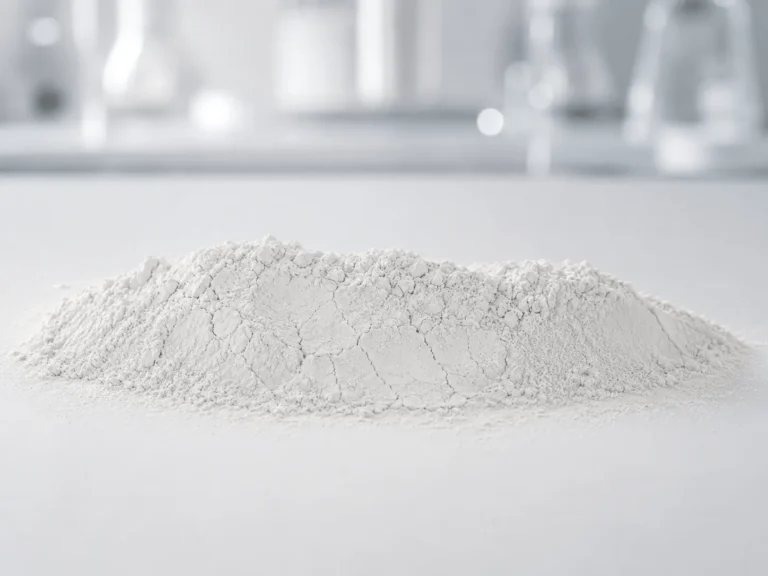
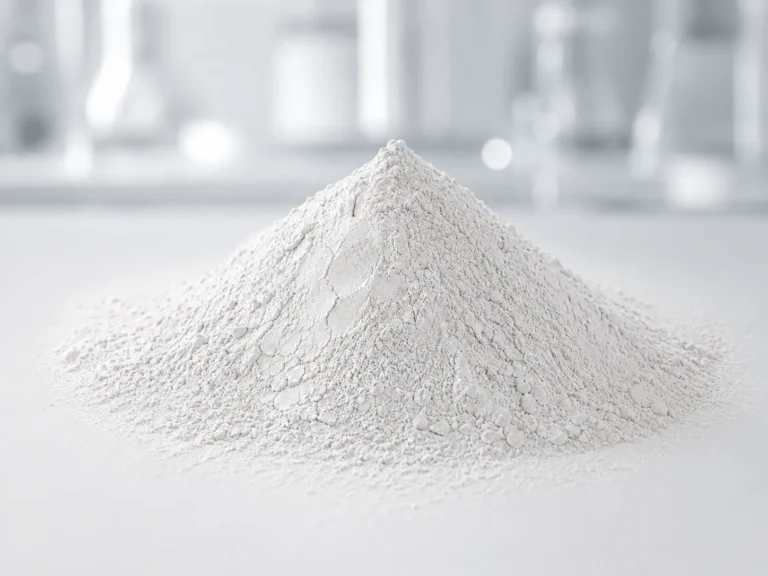
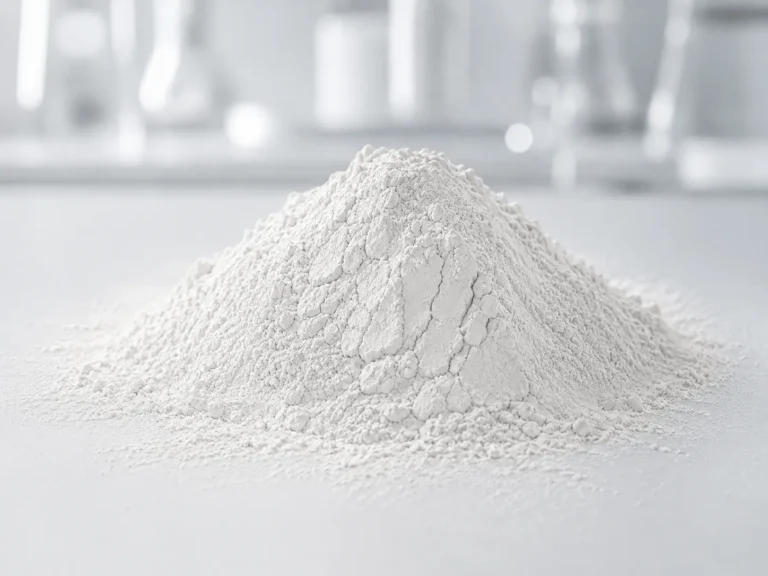
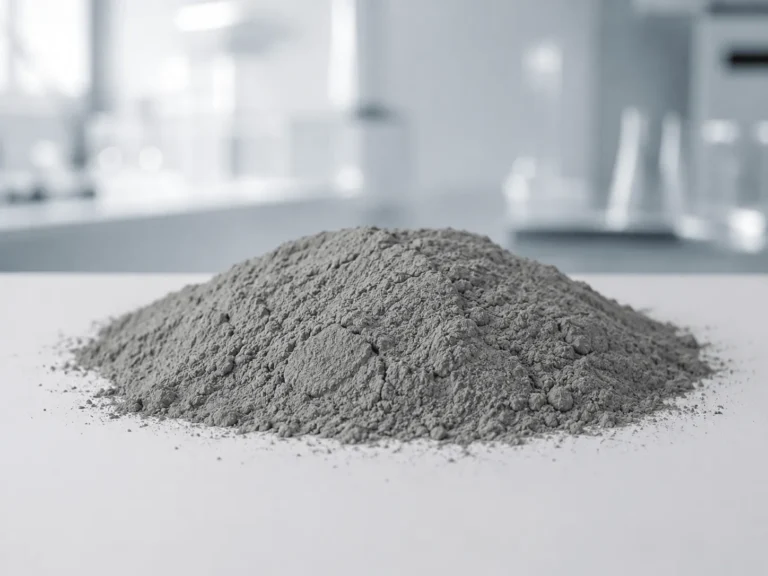
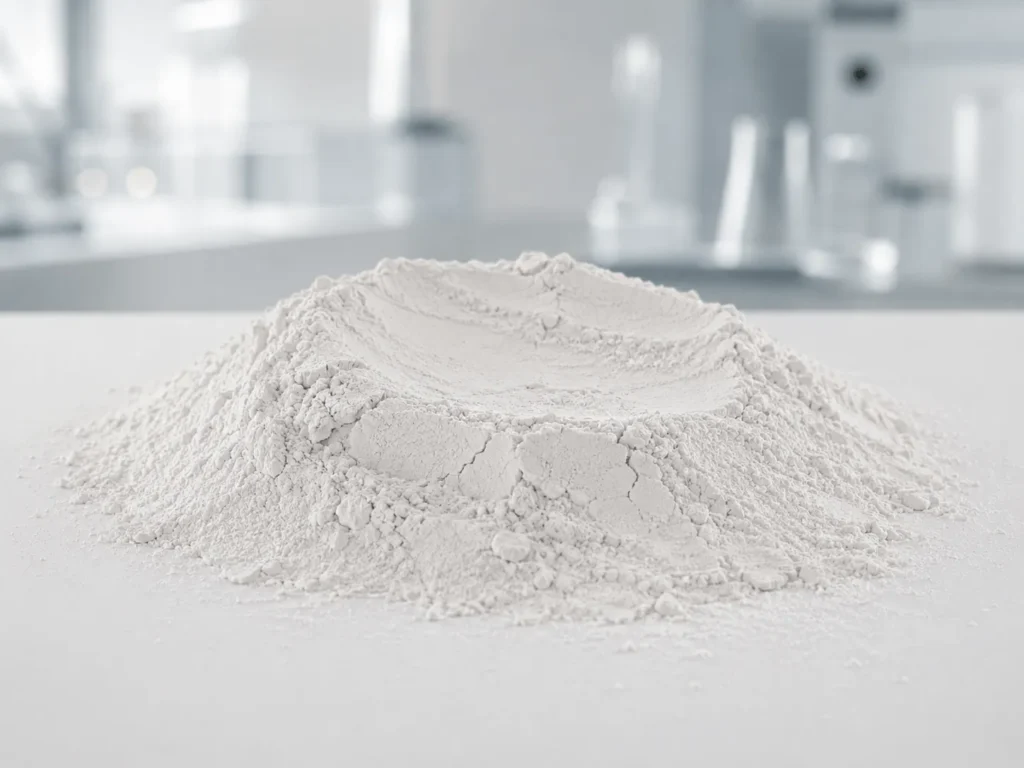
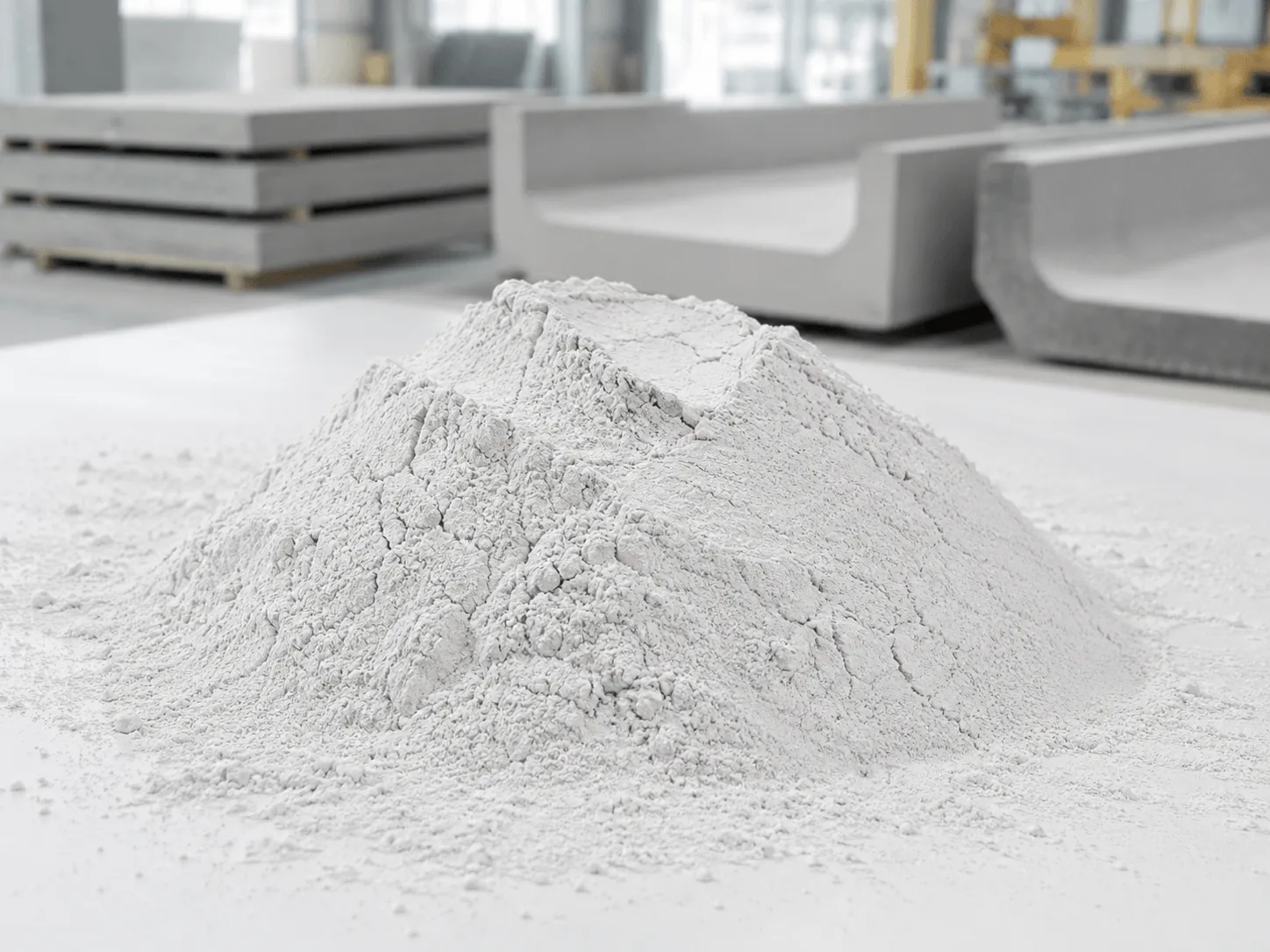
Zr-102 is an off-white, ultrafine zirconia-bearing silica fume developed for refractory formulations. Its fine particles fill microscopic voids between alumina, silicon carbide, refractory aggregates and other fine powders, helping optimize particle packing, reduce matrix porosity and improve the compactness of monolithic refractories.

SiO₂ + ZrO₂ ≥ 92% Typical ZrO₂: 2.81% Off-White Ultrafine Powder Batch COA Available
Zr-102 Zirconium-Containing Silica Fume
SiO₂ + ZrO₂ ≥ 92%
Typical ZrO₂ 2.81%
Bulk Density 280-400 kg/m3
Primary Application Refractory castables
Zr-102 Zirconium-Containing Silica Fume

Product Overview

Zirconia Silica Fume

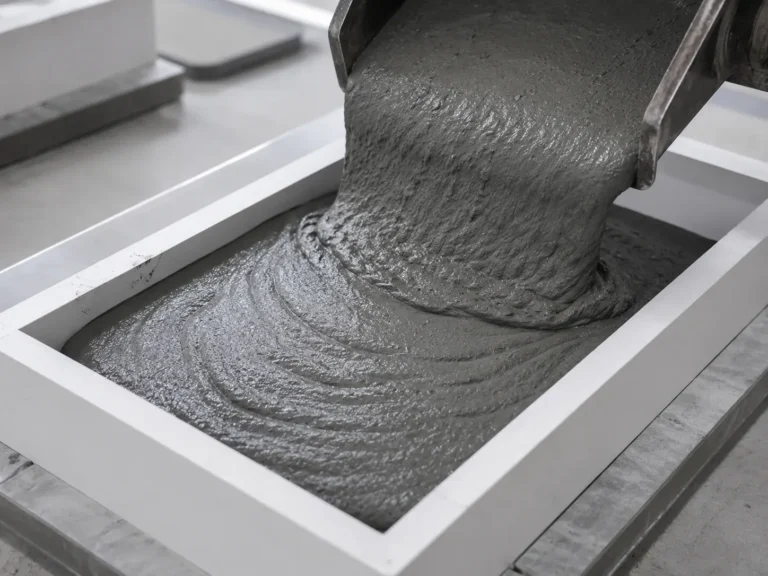
In refractory formulations, Zr-102 fills microscopic voids between particles, improving packing density, reducing water demand and porosity, and creating a denser, more uniform matrix.iform matrix.

SiO₂ + ZrO₂ ≥ 92%
Typical ZrO₂ 2.81%
Bulk Density 280-400 kg/m3
Primary Application Refractory castables

Product Advantages

Direct Production, Stable Quality

Ultrafine Particle Packing

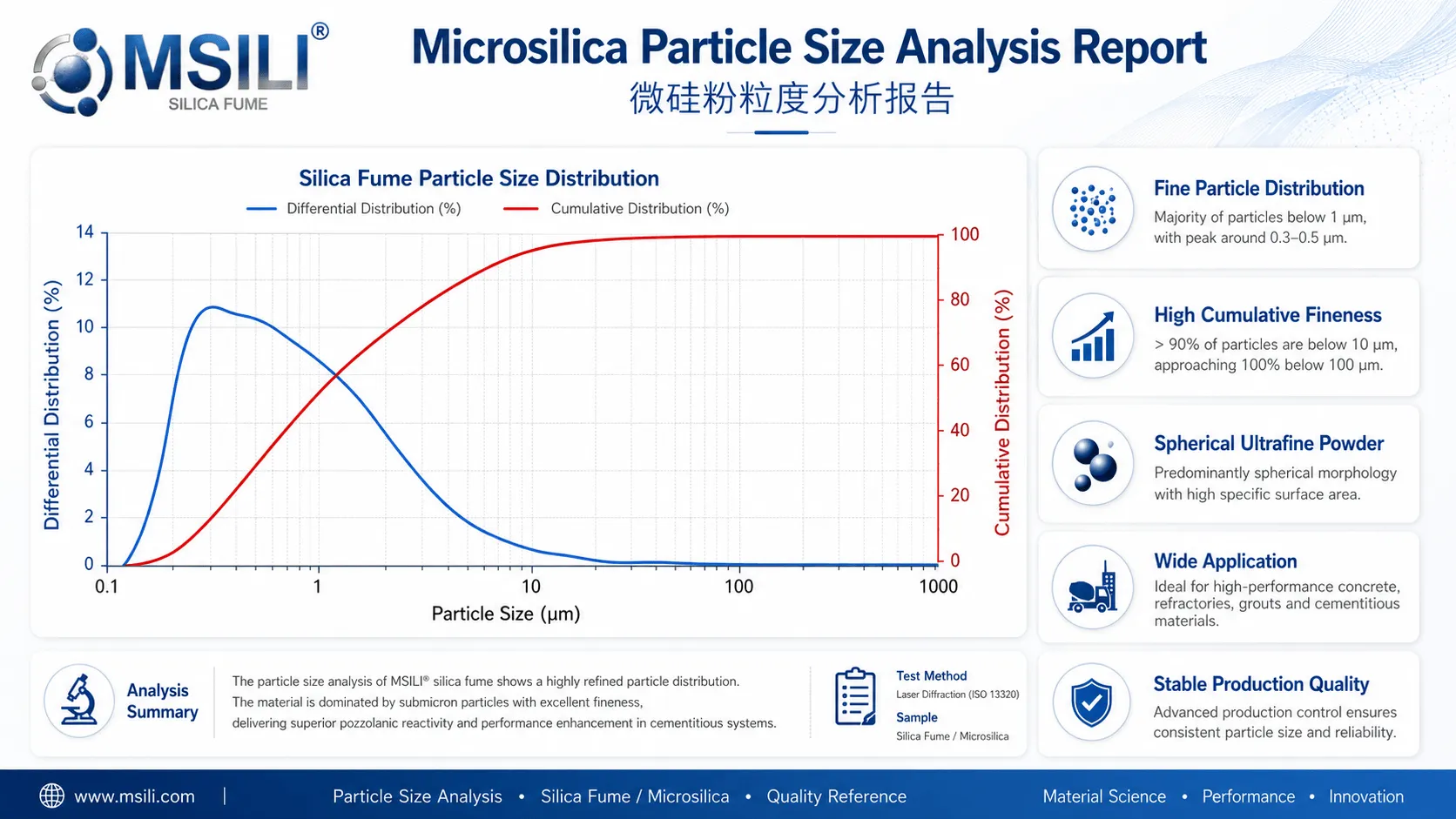
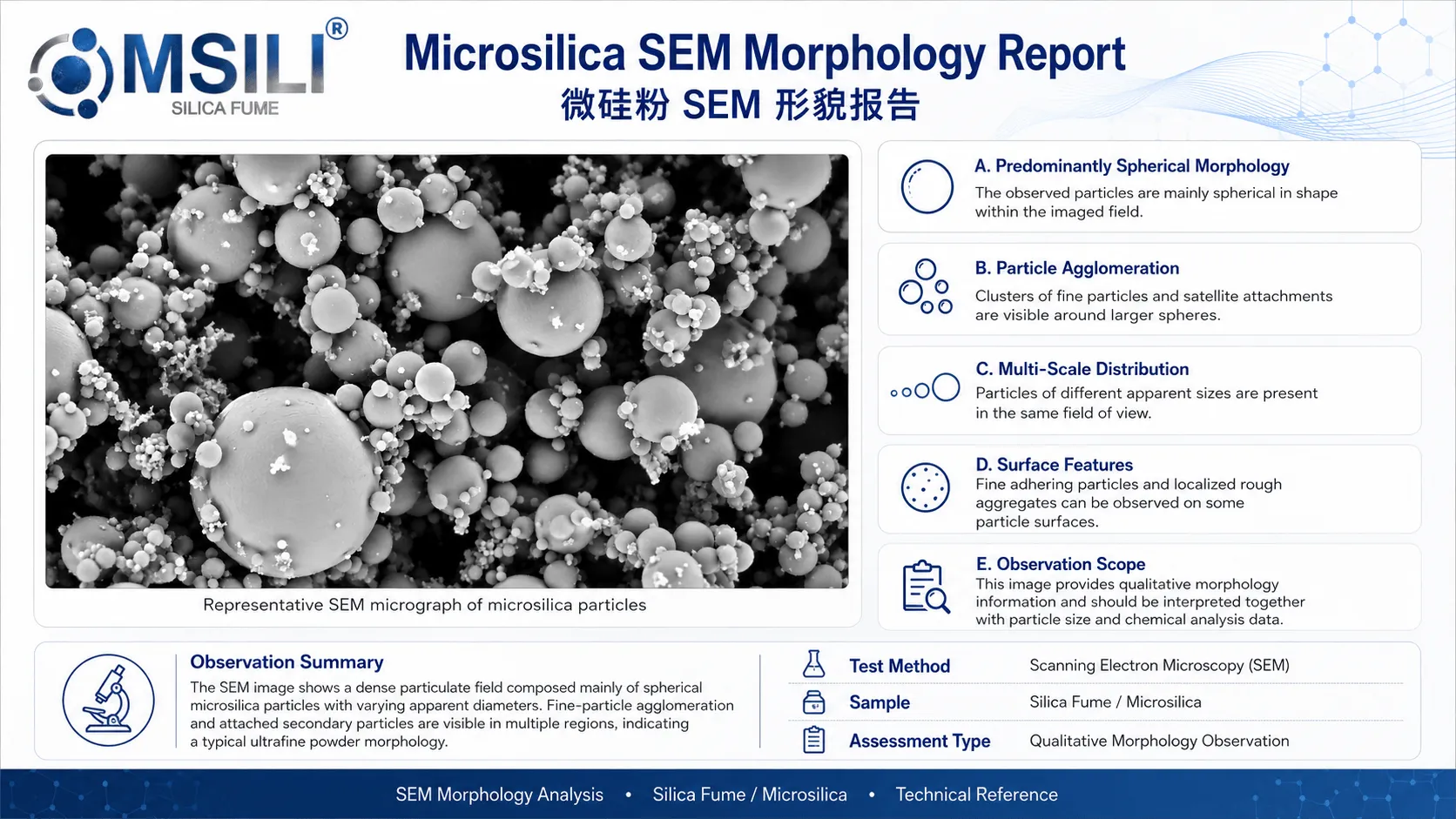
A laser-measured average particle size of approximately 1.0 μm allows the powder to fill fine voids between larger refractory particles. Proper dispersion can improve packing density, matrix uniformity and the compactness of the finished refractory body.
Controlled Impurity Profile

Typical impurity data include low levels of alkalis, iron oxide, calcium oxide and magnesium oxide. This makes Zr-102 suitable for formulations where chemical consistency and impurity control are important. Final acceptance limits should be confirmed against the batch Certificate of Analysis.

Improved Matrix Densification

By optimizing the fine-powder portion of the formulation, Zr-102 can help reduce open porosity and limit the penetration of slag, molten metal and other corrosive media into the refractory matrix.

Batch-Level Verification

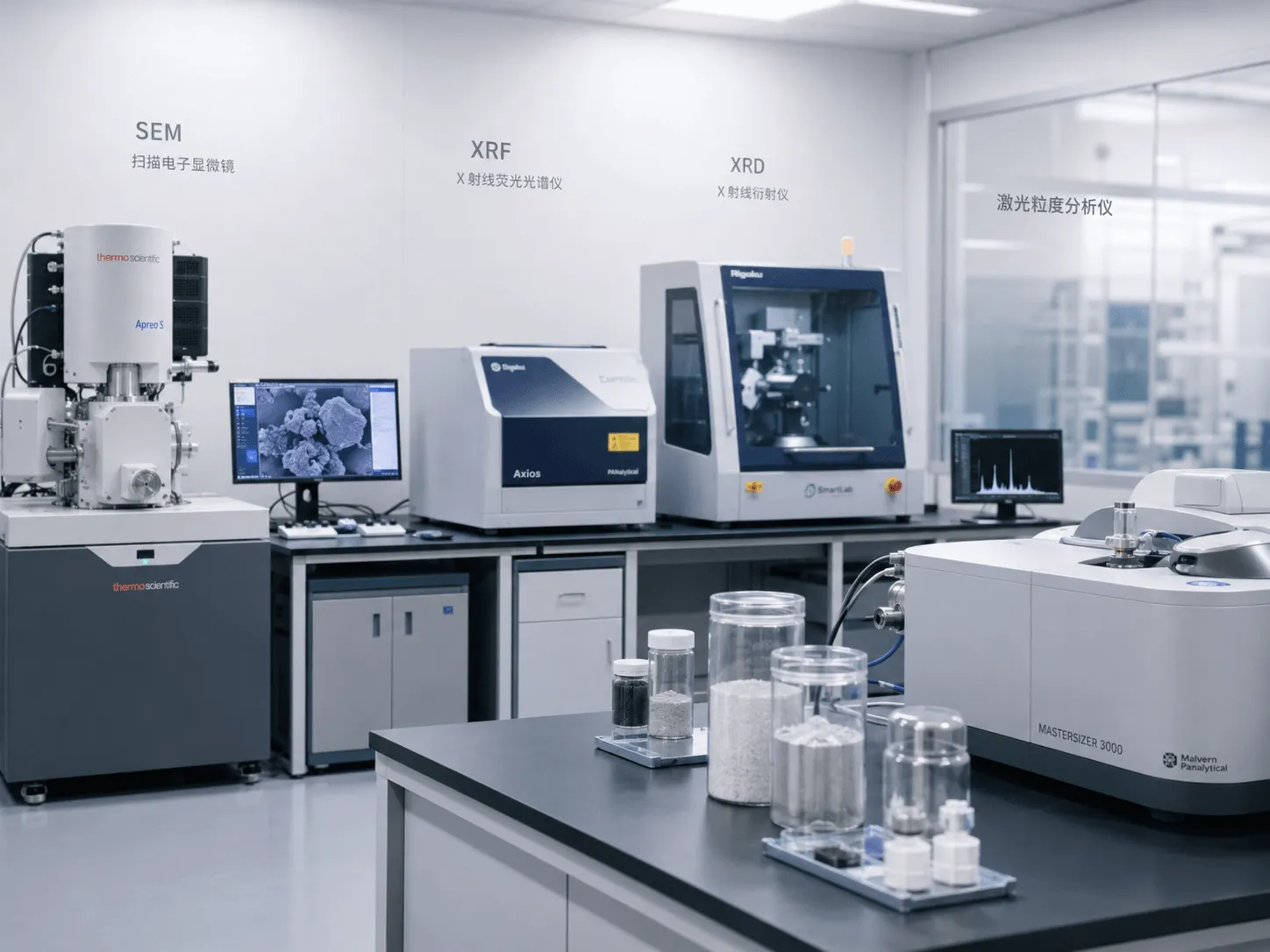
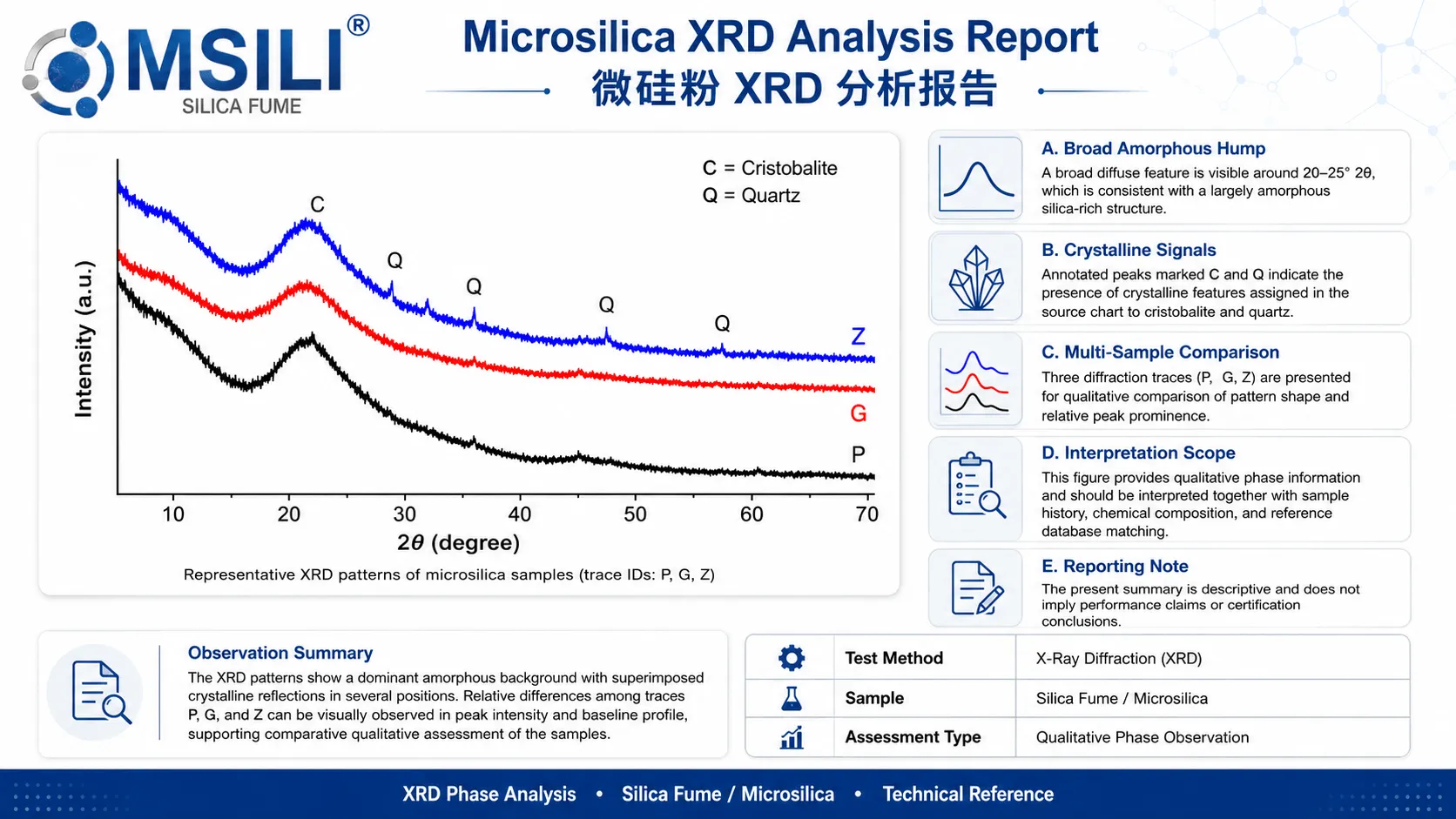
Chemical composition, moisture, loss on ignition, particle-size distribution and crystalline phases can be reviewed through batch COA data, XRF analysis, XRD analysis and laser particle-size testing.

Technical Data

Chemical and Physical Properties

Test Item Typical Value ASTM C1240
SiO₂ + ZrO₂ 94.17 % 85.0 % Minimum
Moisture content 0.45 % 3.0% Maximum
Loss on ignition 0.95 % 6.0% Maximum
Specific surface area 15,000 m²/Kg 15,000 m²/Kg Minimum
Bulk density 280-400 Kg/m³ Supply condition
Average particle size 1.0 um Laser particle-size analysis
45 µm sieve residue 1.507 % 10.0 % Maximum
ZrO₂ 2.81 % XRF analysis
Na₂O + K₂O 0.51 % XRF analysis
Fe₂O₃ 0.55 % XRF analysis
MgO 0.33 % XRF analysis
CaO 0.32 % XRF analysis
Al₂O₃ 0.41 % XRF analysis
pH 2.5 – 5.0 Aqueous suspension
Major silica phase Amorphous SiO₂ XRD phase identification
Zirconia-bearing phases ZrO₂ and zirconia–silica composite phases XRD phase identification

The data listed above is for reference only and does not constitute factory control specifications or acceptance criteria. Customers should conduct trials within their own systems to confirm product suitability.

Performance Comparison

Reference Test Data

Based on existing formulation tests, this section shows reference performance improvement from the micro-filling effect and pozzolanic reaction of silica fume. Actual results vary with matrix type, mix design, dosage, dispersion and process conditions, so sample testing is recommended.

Compressive Strength After Firing at 1375°C
107.5 MPa
Bulk density after firing at 1375°C
2.63 g/cm³
Permanent linear change at 1300°C
< 0.7%
Abrasion loss after 280 abrasion tests
2.05%

Silica Fume Applications

Widely Used Across Industries

Low-Cement Refractory Castables

Suitable for high-alumina, corundum and mullite castables where fine-particle packing, low water demand, controlled impurities and consistent matrix densification are required.

Ultra-Low-Cement and Self-Flow Castables

Zr-102 can be incorporated into the fine-powder system to help balance particle packing, flowability and water demand. Compatibility with the selected calcium aluminate cement and dispersant should be confirmed through laboratory trials.

Blast-Furnace Trough Castables

Can be evaluated in Al₂O₃–SiC–C and related trough formulations exposed to molten iron, slag, thermal cycling and mechanical abrasion. Complete-formulation testing should focus on oxidation resistance, slag penetration, hot strength and thermal-shock performance.

Precast Refractory Shapes

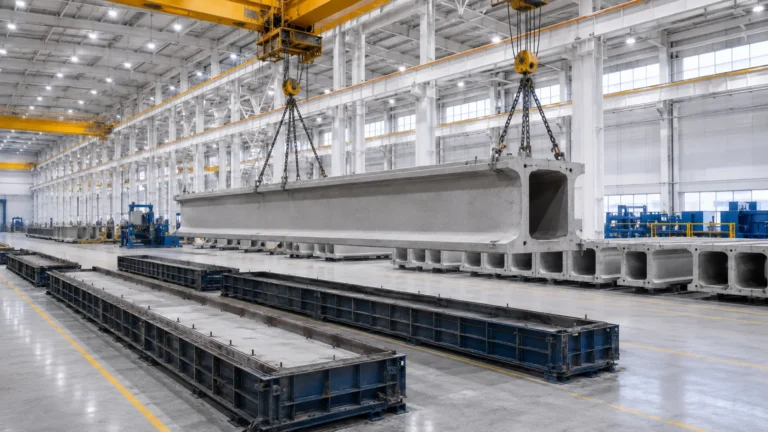
Suitable for burner blocks, kiln components, injection lances, prefabricated linings and complex refractory shapes requiring repeatable flow, stable forming and controlled dimensional change after firing.

Zirconia and Zircon Refractory Systems

The zirconia-bearing composition makes Zr-102 a suitable candidate for refractory formulations containing zirconia, zircon or other zirconium-based raw materials.

High-Temperature Coatings and Inorganic Composites

The off-white color and ultrafine particle size allow Zr-102 to be evaluated as a functional filler in selected inorganic coatings, ceramic bonding systems and wear-resistant composites. Dispersion, bonding strength and thermal-cycle stability should be verified before commercial use.

Quality Control

Comprehensive Testing Available

ASTM C1240 EN 13263-1 GB/T 27690 Laser Particle-Size Analysis Third-Party Testing Available on Request

Packaging and Logistics

Flexible Packaging, Supplied on Demand

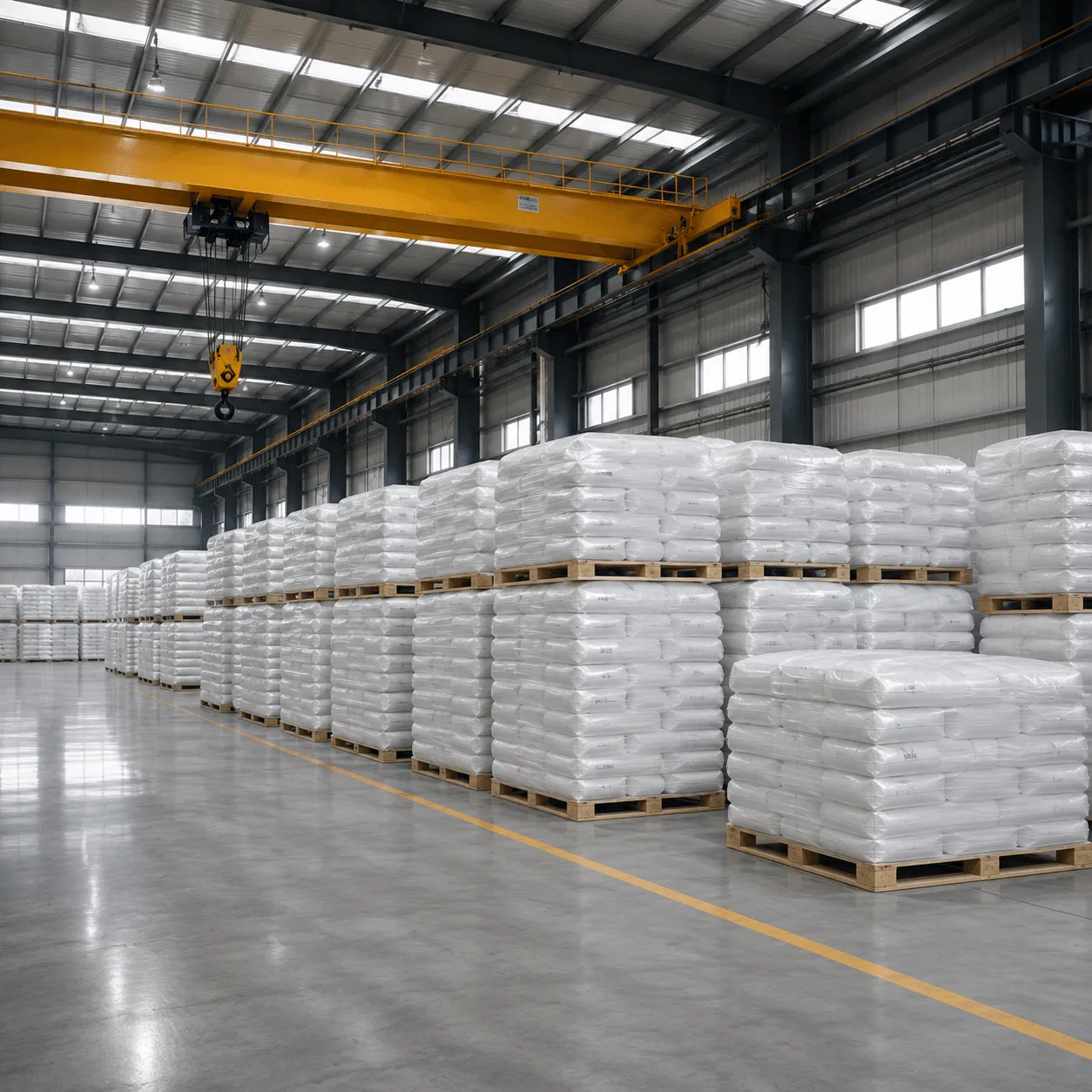
Small Bags

Small Bags

Suitable for samples, laboratory evaluation, pilot trials and production processes requiring controlled manual dosing.

Bulk Bags

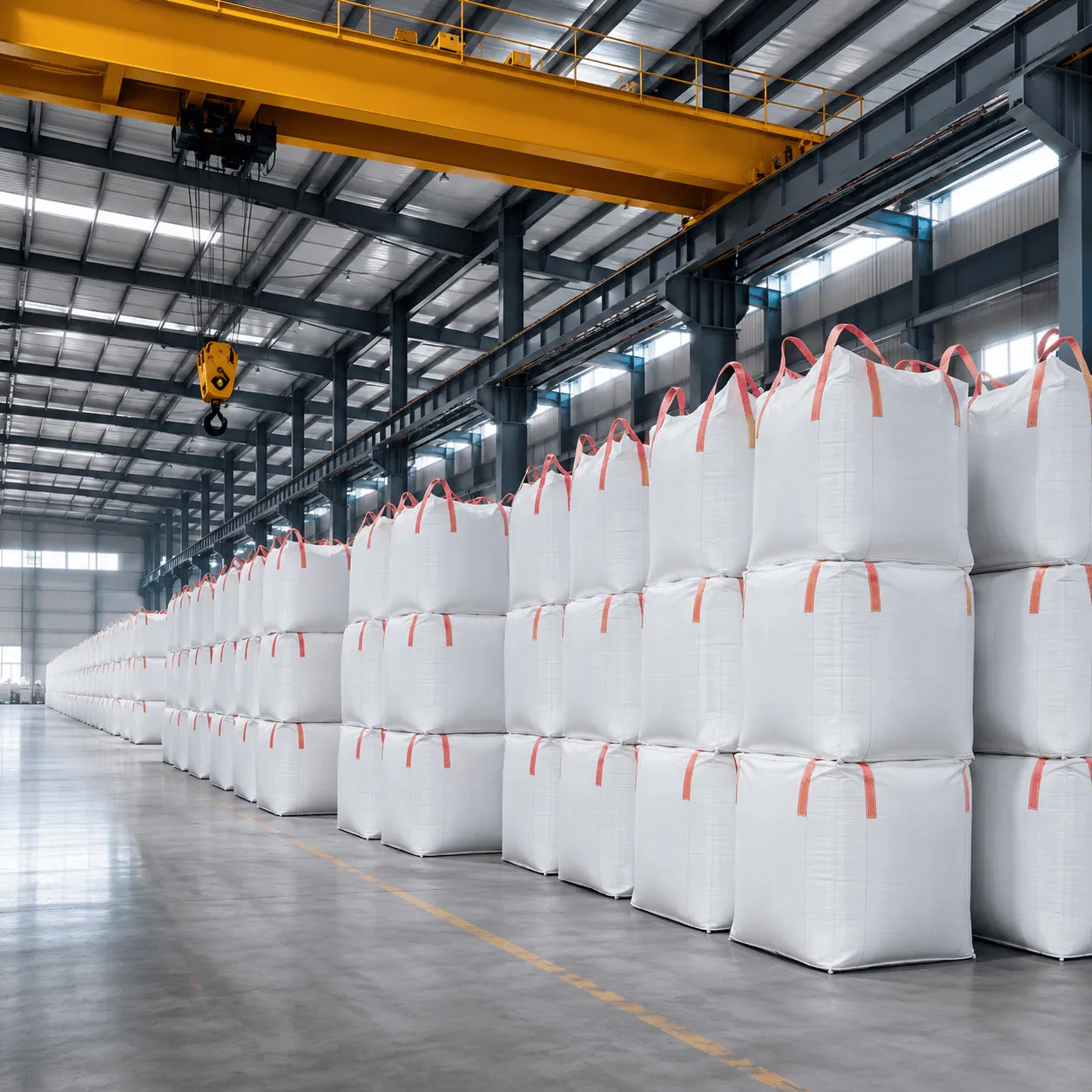
Bulk Bags

Suitable for refractory plants and commercial-scale production. Moisture-resistant inner liners can be provided according to handling and storage requirements.

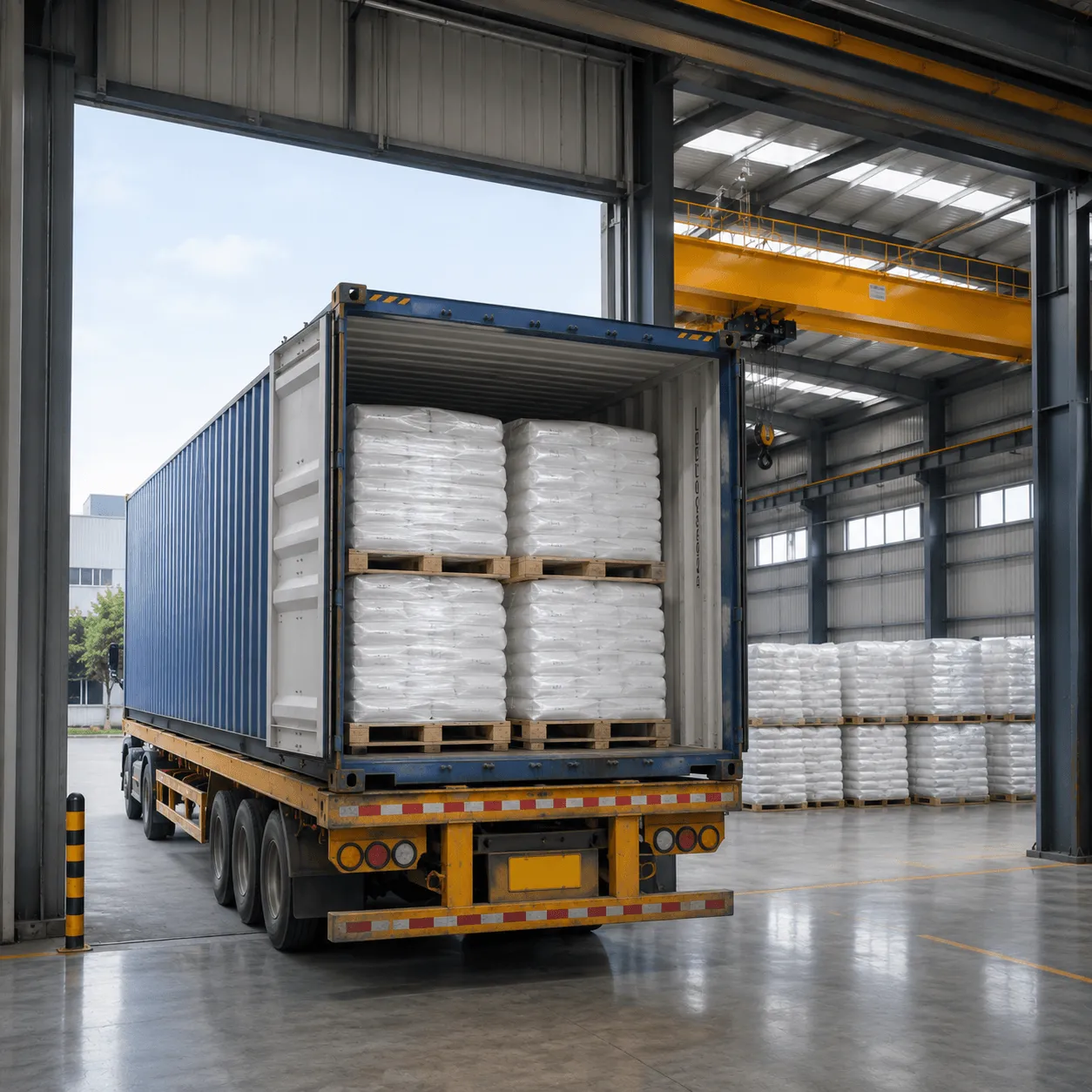
Custom Export Packaging

Custom Export Packaging

Pallet configuration, inner liners, shipping marks, labels and export documents can be customized according to the destination, transportation route and unloading method.

FAQ

Packaging, Loading and Shipping FAQ

Answers to common purchasing questions about packaging, export documents, sample trials, loading and delivery.

What is Zr-102 zirconia-bearing silica fume?

Zr-102 is an off-white, ultrafine silica fume containing a controlled zirconia component. It is developed primarily for refractory castables and other high-temperature material systems requiring fine-particle packing, controlled chemistry and batch consistency.

How is Zr-102 different from conventional silica fume?

The main difference is its documented zirconia-bearing composition, off-white appearance and suitability for zirconia-containing refractory systems. It should be selected when these characteristics provide a specific formulation benefit rather than treated as a universal replacement for every conventional silica fume grade.

Where is Zr-102 normally used?

Typical applications include low-cement castables, ultra-low-cement castables, self-flow castables, blast-furnace trough materials, precast refractory shapes, zirconia or zircon refractories, high-temperature ceramics and selected inorganic composites.

What role can Zr-102 play in Al₂O₃–SiC–C castables?

Its ultrafine particles can improve the fine-powder packing system and contribute to matrix densification. However, final performance also depends on carbon content, antioxidants, calcium aluminate cement, dispersants, water addition and firing conditions. Oxidation resistance, slag penetration and hot strength should therefore be evaluated through comparative testing.

What dosage of Zr-102 should be used?

There is no universal dosage suitable for every formulation. Zr-102 should initially be compared with the existing microsilica or fine-powder package while keeping all other raw materials and process conditions unchanged. The comparison should include flowability, water demand, setting behavior, apparent porosity, bulk density, fired strength, slag penetration and permanent linear change.

Can Zr-102 directly replace conventional silica fume?

It may be used as a full or partial replacement in selected formulations, but a direct one-to-one replacement should not be assumed. Differences in chemistry, particle-size distribution, surface area, pH and dispersant compatibility may affect flow and setting behavior.

Supply Capacity

Stable Delivery, Traceable Batches

9 + Typical SiO₂
2.81% Typical ZrO₂
10000 + Typical loss on ignition
50,000 + Average particle size
Last updated2026-08-03
Authormsili
Technical reviewmsili
Evidence status技术已审核
Reviewed on2025-02-09

RELATED CONTENT

Explore related content

Request a Silica Fume Grade

Tell Us Your Application and Specification

Share your refractory matrix, service temperature, slag or metal exposure, target flow, trial dosage, annual volume, packing preference and destination. We can recommend a sample and comparison plan.

Contact Email[email protected]WhatsApp+86-15988103307
Support is availableSample Testing / Custom Development / Bulk Supply
Send an email