Product Details

Zr-104 Enhanced Zirconia Silica Fume | Zirconium Microsilica Fume ZSF104

Zirconia-Containing Microsilica

With a greater focus on structural densification, matrix rheological optimization, high-temperature wear resistance, erosion resistance, and thermal shock stability in high-temperature refractory materials, these products are suitable for low-cement, ultra-low-cement, and functional refractory castable systems in the steel, cement, non-ferrous metallurgy, and other high-temperature industries.

Compressive and Flexural Strength Zirconia-reinforced Flowability Temperature Resistance
Zr-104 Enhanced Zirconia Silica Fume | Zirconium Microsilica Fume ZSF104
SiO₂ + ZrO₂ >= 94%
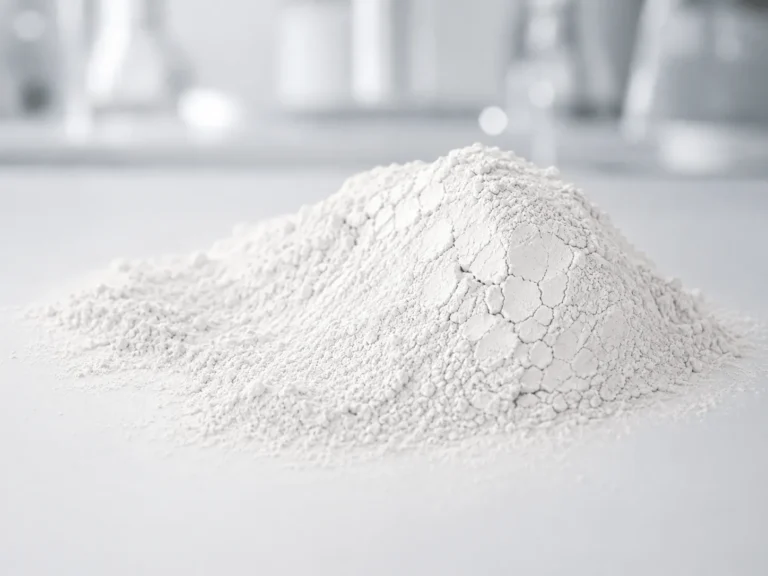
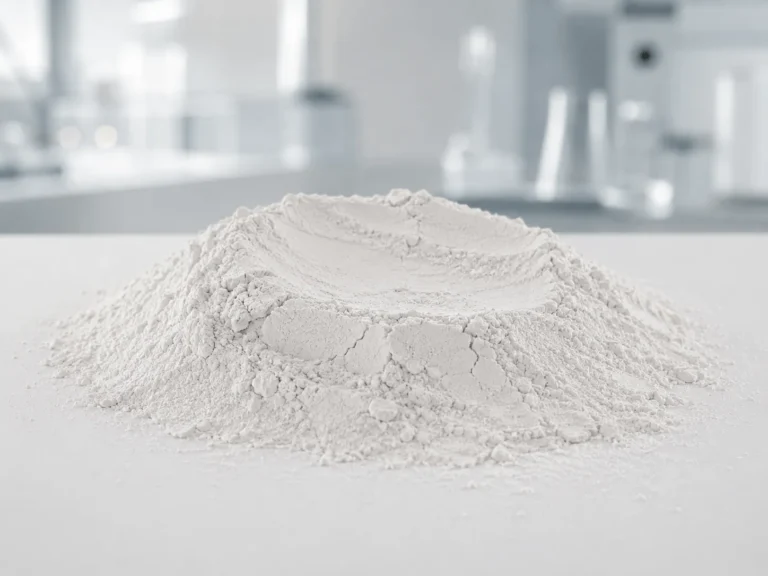
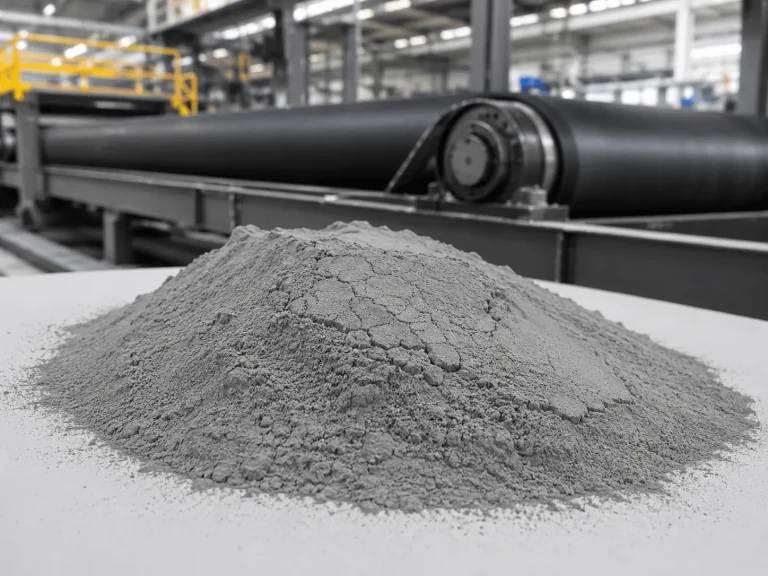
Apparent Color Off-white
Bulk Density 280-400 kg/m3
Application Systems Industrial / Refractory Materials
Zr-104 Enhanced Zirconia Silica Fume | Zirconium Microsilica Fume ZSF104

Product Overview

Designed for high-temperature, scouring, erosion, and thermal shock conditions

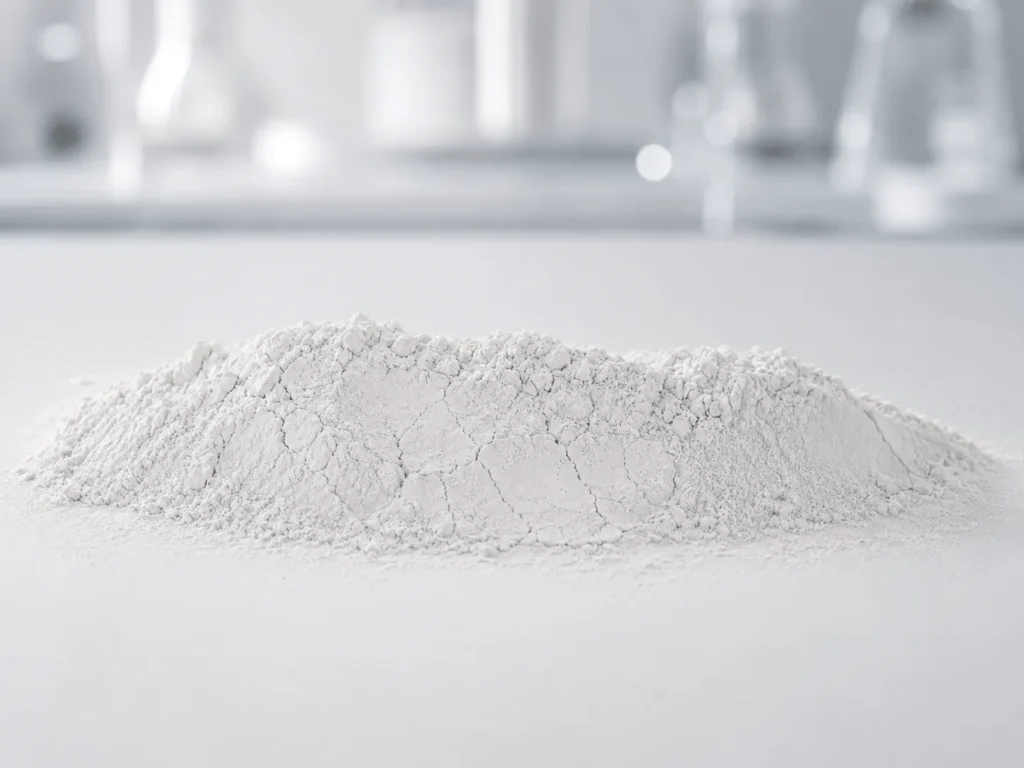
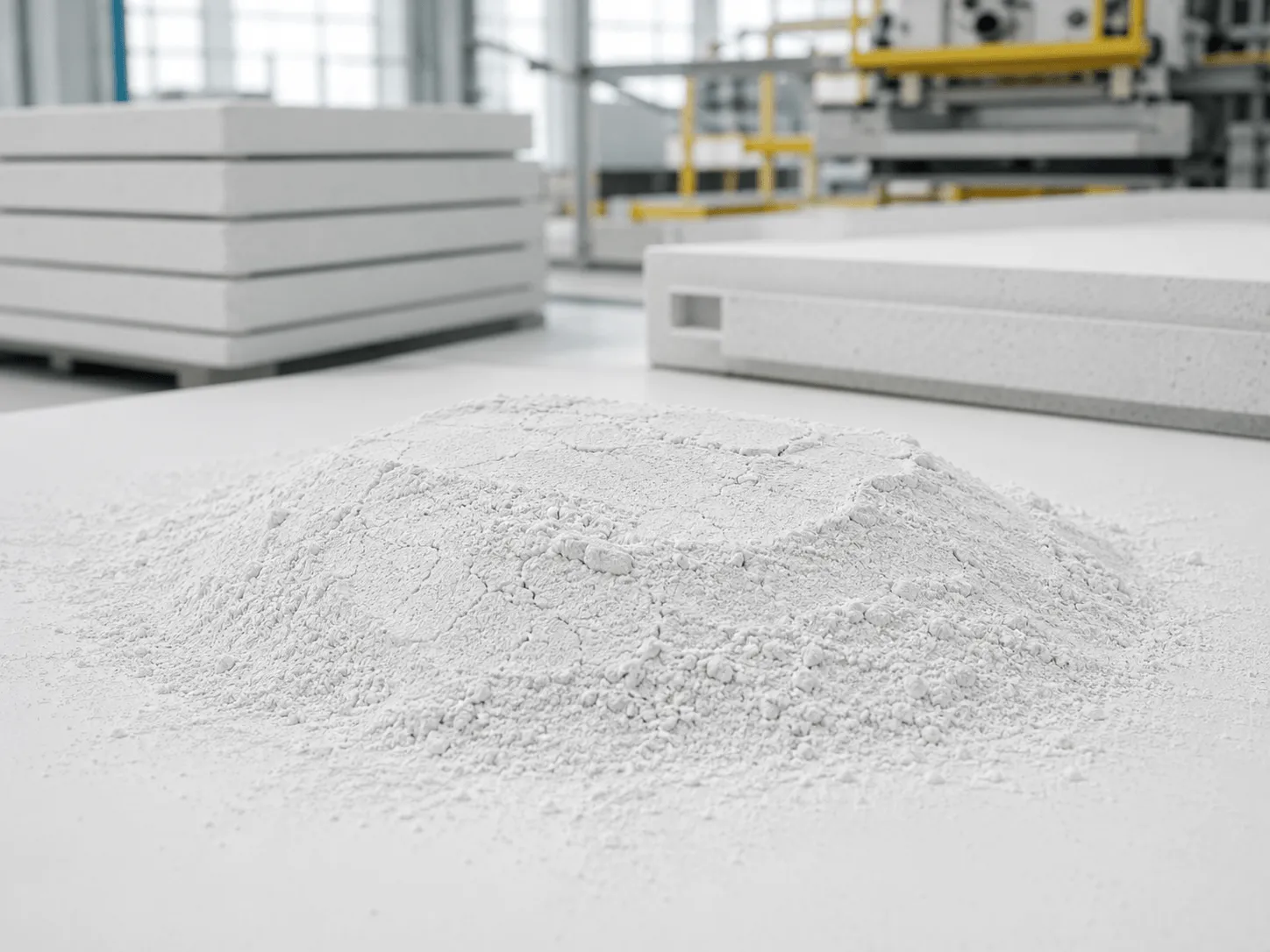
Zr-104 Enhanced Zirconia Silica Fume is an ultrafine silicon-zirconia composite powder formed through a high-temperature electric fusion process for zirconia, followed by collection, classification, homogenization, and quality control. The product consists primarily of amorphous SiO₂, while also containing a certain proportion of ZrO₂ and zirconia-silicon composite phases, combining the ultrafine filling properties of Silica Fume with the high-temperature stability characteristics of zirconia-based materials.

SiO₂ + ZrO₂ >= 94%
Apparent Color Off-white
Bulk Density 280-400 kg/m3
Application Systems Industrial / Refractory Materials

Product Advantages

Direct Production, Stable Quality

Purity-Enhanced Design

Compared to Zr-102, Zr-104 is recommended for use in refractory systems with more stringent requirements for thermal shock resistance, erosion resistance, and high-temperature wear resistance, where higher purity control is essential.
Low-Impurity Control

Conduct batch-by-batch monitoring of Fe₂O₃, CaO, MgO, and alkali metal oxides to minimize the impact of impurities on high-temperature liquid-phase formation, color, and structural stability.

More consistent quality

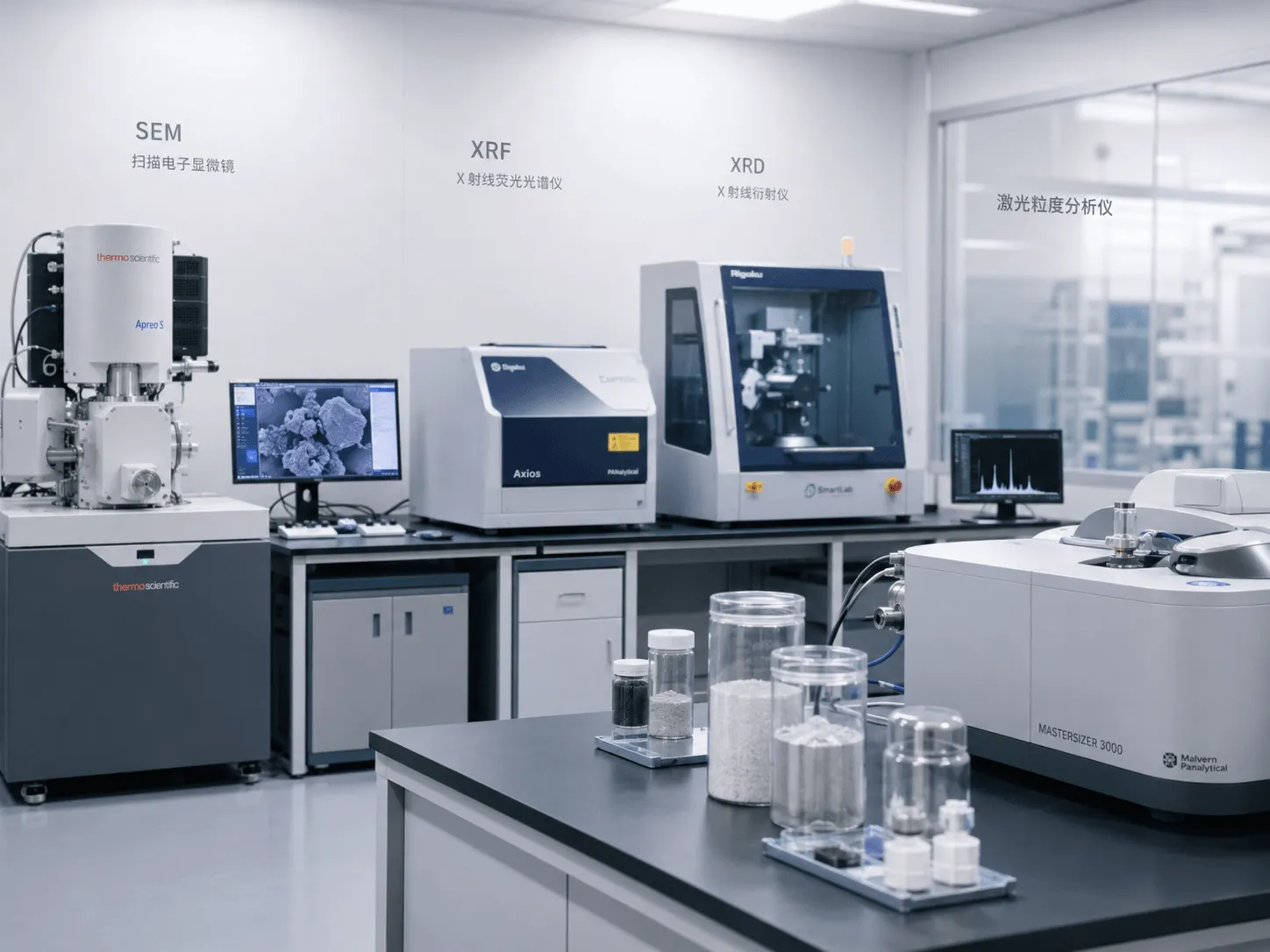
We conduct raw material verification, production process monitoring, finished product sampling, retention of samples, and batch testing, and can provide data on chemical composition, particle size, specific surface area, and other test results as required by the application.

Ultrafine Particles

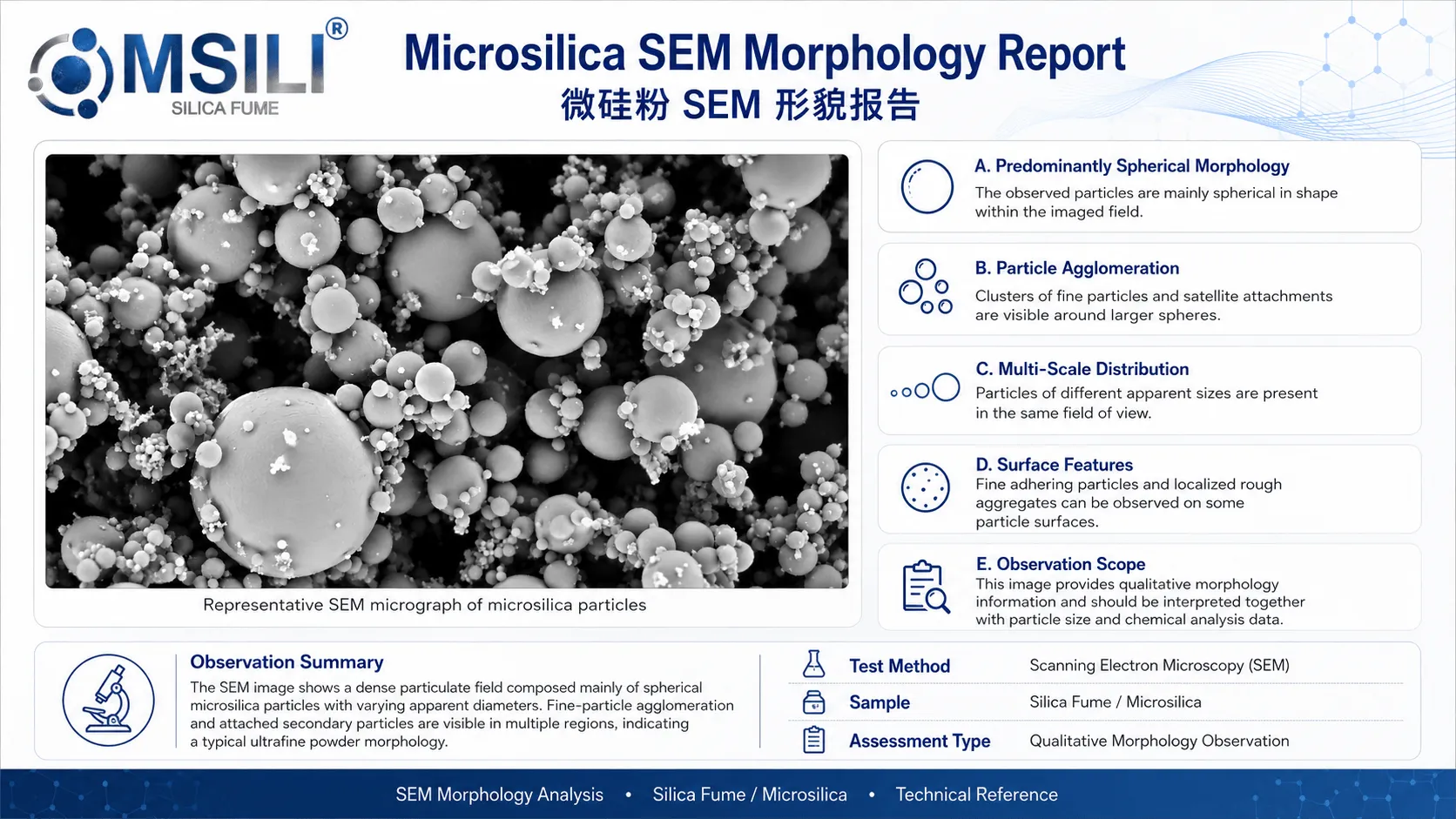
The fine, spherical particles provide a ball-bearing effect that improves workability while filling the submicron-sized particle size range between the fine powder and aggregate, helping to establish a more continuous particle size distribution.

Technical Data

Chemical and Physical Properties

Test Item Typical Value ASTM C1240
SiO₂ + ZrO₂ 95.32 % 85.0 % Minimum
Moisture Content 0.43 % 3.0% Maximum
Loss on Ignition (LOI) 0.97% 6.0% Maximum
BET Specific Surface Area 15,000 m2/kg 15,000 m²/Kg
Bulk Density 280 - 400 kg/m3 Regarding encryption and packaging status
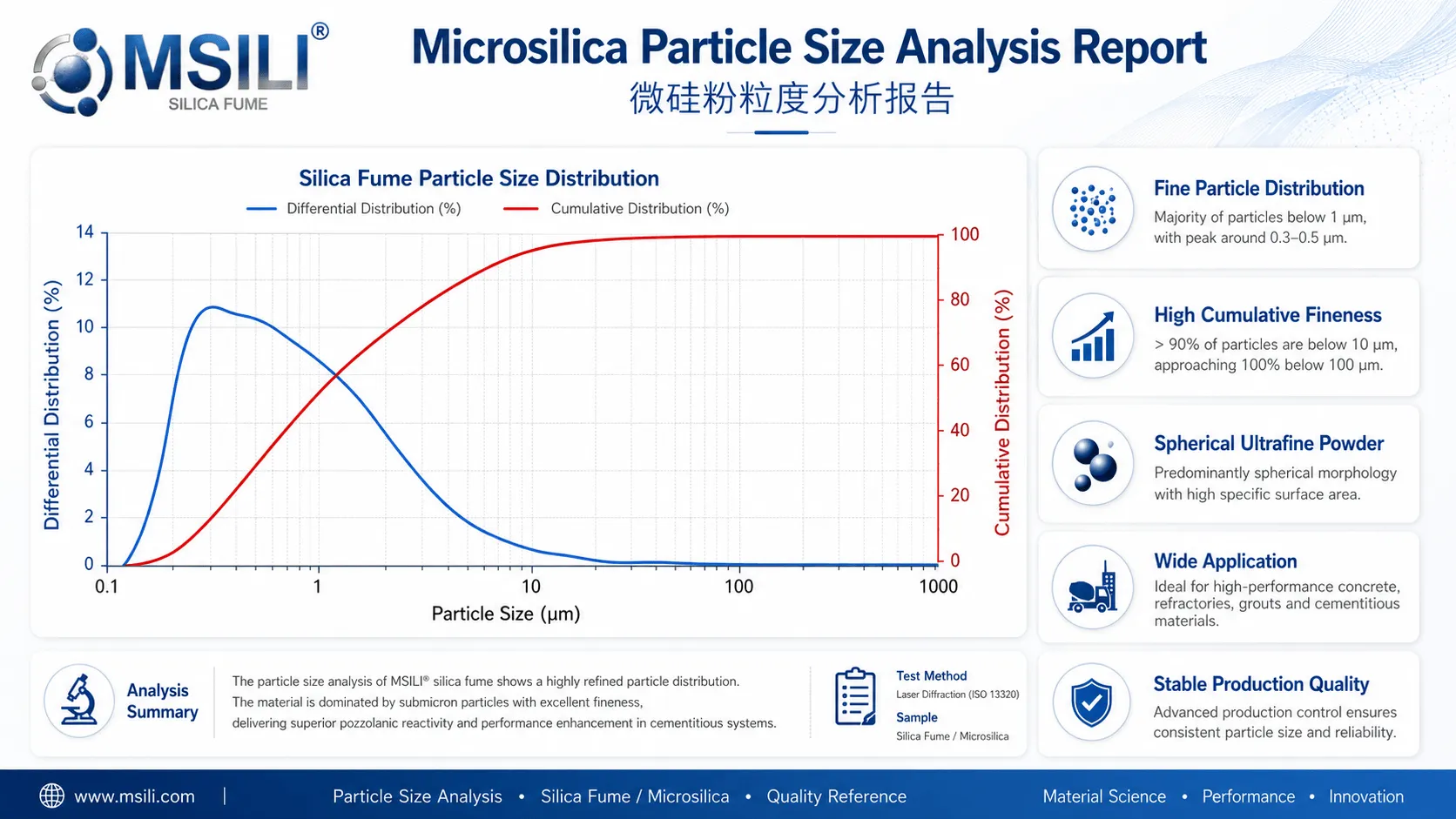
Average particle size 1.0 um Laser Particle Size Analysis
45 μm sieve residue 1.322 % 10.0 % Maximum
ZrO₂ 2.93% XRF Analysis
Al₂O₃ 0.28 % XRF Analysis
Fe₂O₃ 0.42 % XRF Analysis
MgO 0. 12% XRF Analysis
CaO 0.39 % XRF Analysis
Na₂O+K₂O 0.343 % XRF Analysis
pH 2.5 – 5.0 Testing of aqueous solutions or suspensions
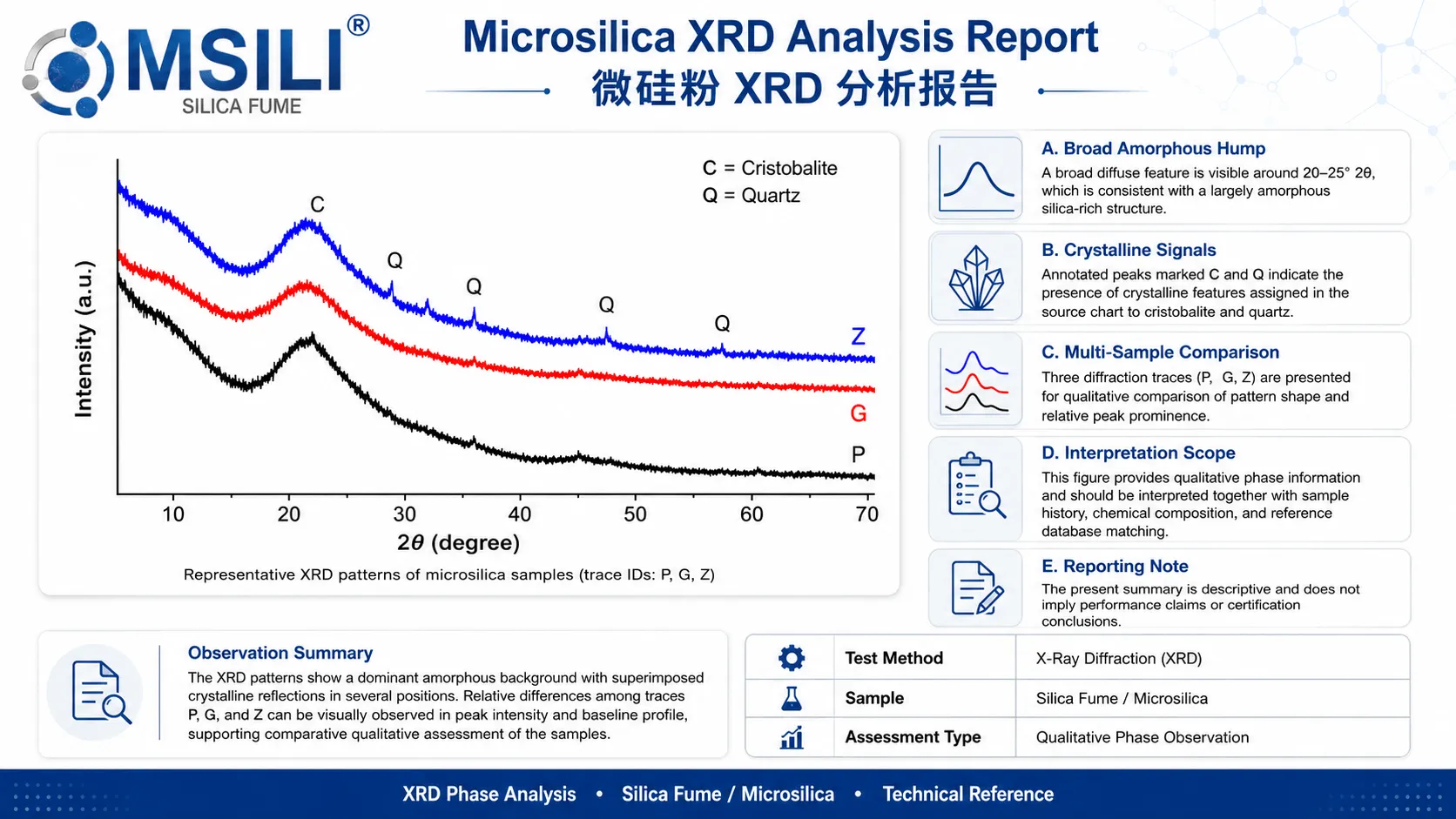
Major Silica Phases Amorphous SiO₂ XRD Analysis
Zirconia Phase Composition ZrO₂ and Zirconia-Silica Composite Phase XRD Analysis

The data listed above is for reference only and does not constitute factory control specifications or acceptance criteria. Customers should conduct trials within their own systems to confirm product suitability.

Performance Comparison

Reference Test Data

Based on existing formulation tests, this section shows reference performance improvement from the micro-filling effect and pozzolanic reaction of silica fume. Actual results vary with matrix type, mix design, dosage, dispersion and process conditions, so sample testing is recommended.

Bulk Density + 8.0 %
2.32
Reference 2.15
Apparent Porosity - 53%
0.7 %
Reference: 1.5%
Flexural Strength +29.1 %
90.1 MPa
Reference: 69.8 MPa
Residual Strength After Thermal Shock +162 %
80.5 MPa
Reference: 30.7 MPa

Silica Fume Applications

Widely Used Across Industries

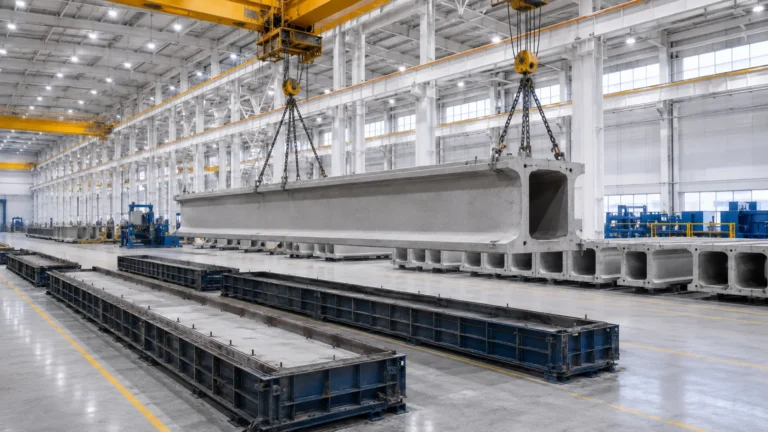
Refractory Materials for Blast Furnace Tapping Channels and Molten Iron Channels

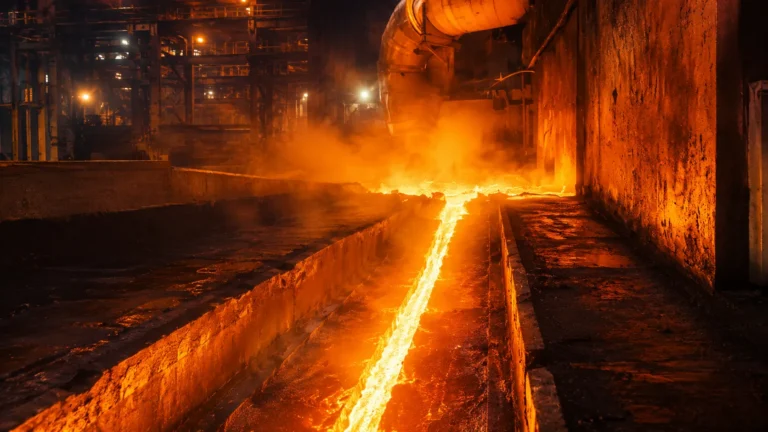
Suitable for areas subject to long-term molten iron scouring, slag erosion, and periodic thermal shock, such as the main trough, branch troughs, oscillating nozzles, tilting troughs, and the receiving section of the taphole.

Molten iron ladles, torpedo ladles, and KR agitators

These areas are subject to simultaneous exposure to molten iron erosion, mechanical wear, rapid temperature changes, and localized impact. Zr-104 is suitable for use in impact zones, near the slag line, and as a repair material for areas subject to high wear.

Ladle and High-Temperature Transfer Equipment

It can be used in ladle permanent linings, partial working linings, precast blocks, and high-temperature molten metal transfer channels to help improve material density, impermeability, and high-temperature structural stability.

High-Temperature Wear-Resistant Zones in Cement Kilns

Suitable for kiln mouths, kiln door covers, coal injection pipes, tertiary air ducts, grate coolers, and other areas subject to erosion from high-temperature clinker, dust, and high-velocity gas flows.

Nonferrous Metal Smelting and Holding Furnaces

It can be used in smelting furnaces, holding furnaces, flow channels, and localized refractory linings for aluminum, copper, and other non-ferrous metals. Before use, evaluate the chemical compatibility between the molten metal, fluxes, and slag and the SiO₂ and ZrO₂ components.

High-Temperature, Wear-Resistant Precast Components and Functional Castables

Suitable for high-temperature duct elbows, discharge ports, cyclone separators, refractory blocks inside furnaces, burner bricks, and other industrial applications subject to both thermal loads and particulate erosion.

Quality Control

Comprehensive Testing Available

ASTM C1240 EN 13263-1 GB/T 27690 COA and batch documentation SGS can perform testing upon request.

Packaging and Logistics

Flexible Packaging, Supplied on Demand

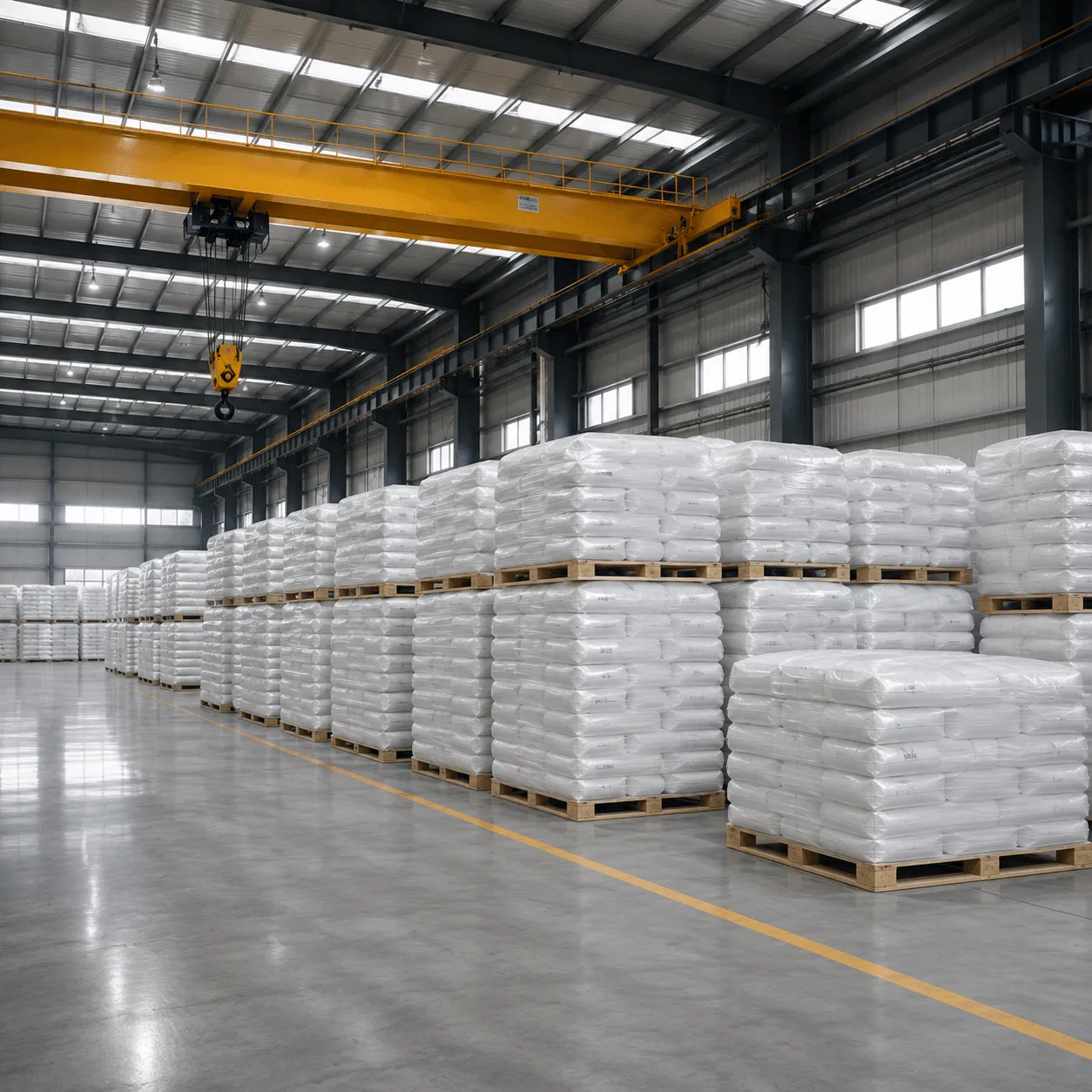
Small-bag packaging

Small-bag packaging

Suitable for small batches, experiments, and sporadic use.

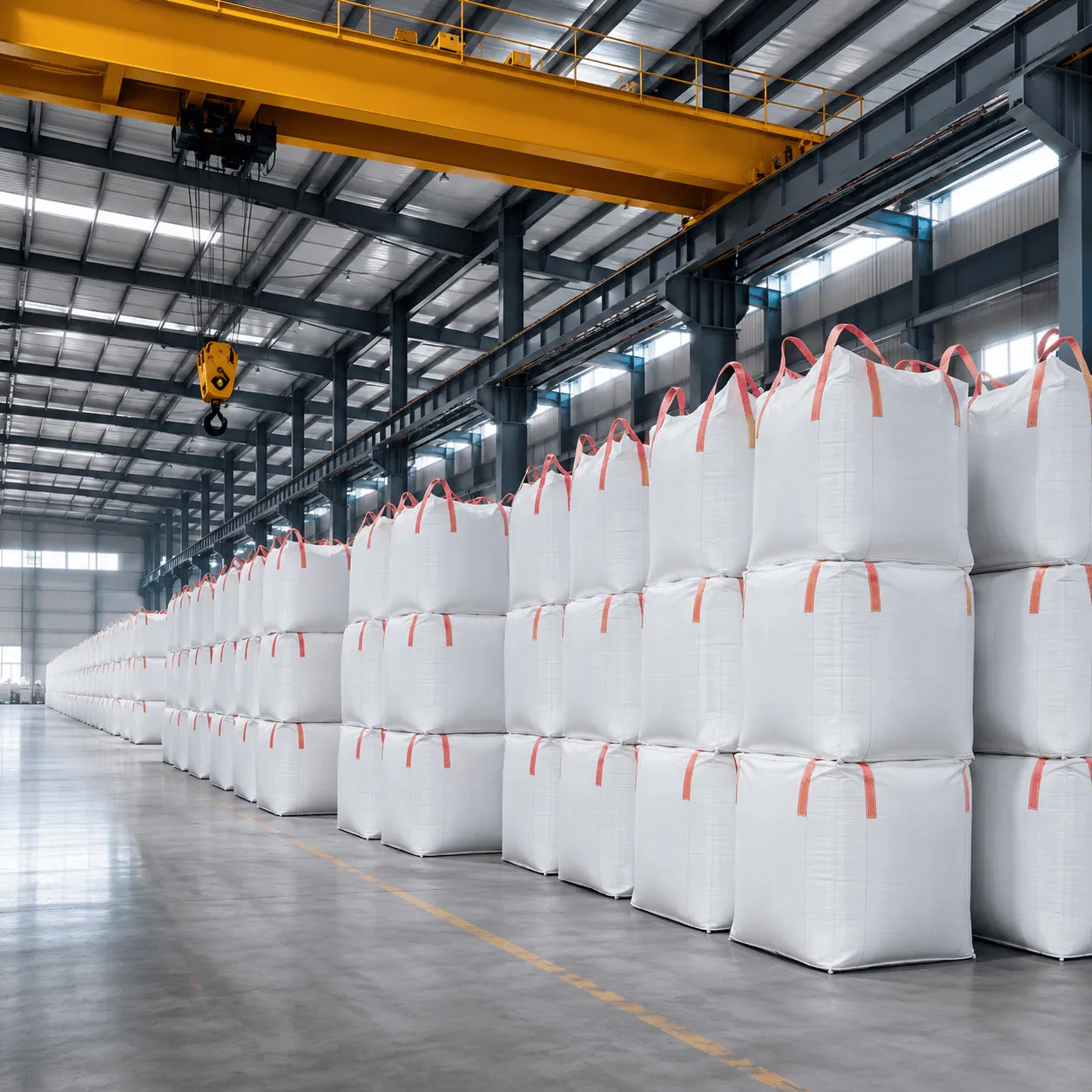
Ton-bag packaging

Ton-bag packaging

Suitable for engineering projects and industrial use, and designed for both container loading and transshipment.

Bulk/Custom Packaging

Bulk/Custom Packaging

Match pallets, labels, inner liners, and export documentation according to project requirements.

FAQ

Packaging, Loading and Shipping FAQ

Answers to common purchasing questions about packaging, export documents, sample trials, loading and delivery.

What is Zr104 zirconium Silica Fume? How does it differ from ordinary Microsilica?

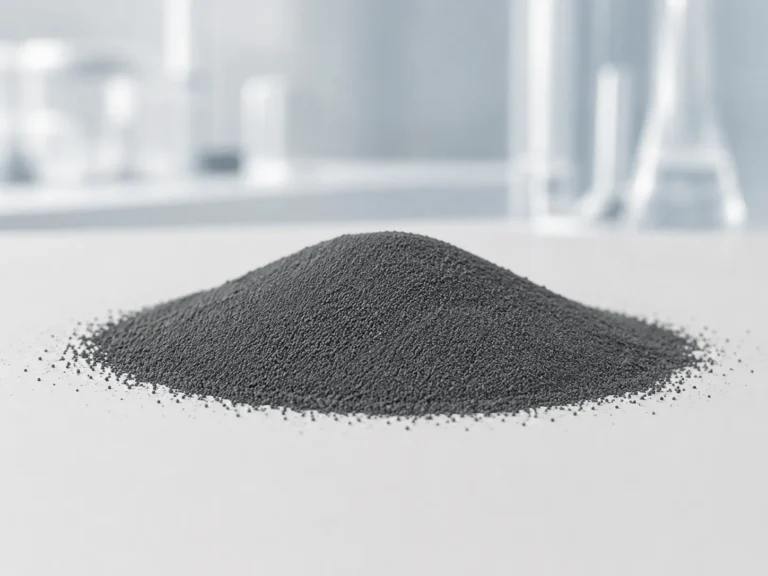
Zr104 zirconium Silica Fume is a highly reactive, ultrafine powder obtained by collecting and condensing volatile gaseous silica during the production of electrically fused zirconia (extracted from zircon sand). Compared to ordinary ferrosilicon-based Microsilica, Zr104 has three distinct characteristics: Whiter color: With extremely low carbon content, it typically appears grayish-white or pure white and does not affect the color of the end product. Higher refractoriness: It typically contains trace amounts of zirconia (ZrO₂), which confers superior high-temperature resistance and resistance to alkali erosion. Purity and morphology: It possesses an extremely high content of amorphous (non-crystalline) silica and an exceptionally regular spherical microstructure, resulting in better flowability.

In which industries is Zr104 zirconium Silica Fume primarily used?

With its high pozzolanic activity and excellent physical properties, Zr104 is primarily used in high-end manufacturing and specialty building materials: High-performance refractory materials: Such as low-cement castables and precast components, where it significantly improves density and high-temperature strength. Specialty concrete and building materials: Ultra-high-performance concrete (UHPC), white or light-colored decorative mortars, and non-shrink grouts. Advanced ceramics and coatings: As a sintering aid for specialty ceramics or as a high-performance filler in wear-resistant coatings.

Zr104 has a whitish color. How does this actually help with the formulation of downstream products?

Traditional Microsilica is dark gray or black, which significantly limits its use in light-colored products. Zr104’s grayish-white appearance perfectly addresses this challenge. It allows formulation engineers to develop light-colored or color-customized products—such as high-end decorative exposed concrete and colored grout—without sacrificing mechanical properties or durability, while also reducing the amount of expensive titanium dioxide required.

What is the recommended addition rate in refractory castables or concrete? How should it be mixed?

Recommended dosage: Typically 3% to 10% of the total weight of the cementitious materials (such as cement or aluminate cement). The specific proportion must be verified through formulation testing based on the target strength and workability. Mixing Recommendations: Due to Silica Fume’s high specific surface area and strong water absorption, direct dry mixing can easily lead to agglomeration. It is recommended to mix thoroughly during the dry powder mixing stage and to use a high-performance water-reducing admixture (such as a polycarboxylate-based admixture) when adding water to ensure uniform dispersion of the powder in the slurry and to achieve optimal flowability.

What effect does the addition of Zr104 have on the material’s early- and late-age strengths?

Zr104 plays a dual role in the system as “micro-ball bearings” and through “pozzolanic reaction.” Early stage: Its ultrafine spherical particles fill the microscopic pores between cement particles, displacing free water and increasing density. Later stage: Its highly reactive amorphous SiO₂ undergoes a secondary reaction with calcium hydroxide (Ca(OH)₂) produced by cement hydration, forming a hard calcium silicate hydrate (C-S-H) gel. This not only significantly enhances the compressive and flexural strengths in the later stages but also substantially reduces the material’s porosity, improving its impermeability and corrosion resistance.

What safety and handling precautions should be observed when storing, transporting, and using Zr104?

Moisture-Proof Storage: Must be stored in a dry, well-ventilated indoor environment, away from rain and high humidity. Once exposed to moisture, Silica Fume will undergo irreversible agglomeration and caking, losing its original dispersibility and reactivity. Dust Protection: Since particle sizes are mostly in the submicron range (0.1–0.2 μm), the material is highly prone to becoming airborne. When opening packages or dispensing the material, operators must wear dust masks (N95 or higher) and safety goggles to prevent respiratory issues caused by prolonged inhalation of dust.

Supply Capacity

Stable Delivery, Traceable Batches

9 + Industry Applications
10+ years Industry Application Experience
10000 + Batch Tracking Records
50,000 + Annual Supply Capacity (metric tons)

RELATED CONTENT

Explore related content

Request a Silica Fume Grade

Tell Us Your Application and Specification

Please provide us with the target strength, construction method, dosage, packaging, and destination port, and we will recommend samples and product grades based on your specific application.

Contact Email[email protected]WhatsApp+86-15988103307
Support is availableSample Testing / Custom Development / Bulk Supply
Send an email